Alcohol and Opioids: Why Mixing Them Is Deadly
 Aug, 31 2026
Alcohol & Opioid Interaction Risk Estimator
This tool estimates relative risk based on synergistic effects described in medical literature. It is not a substitute for professional medical advice.
Estimated Risk Level:
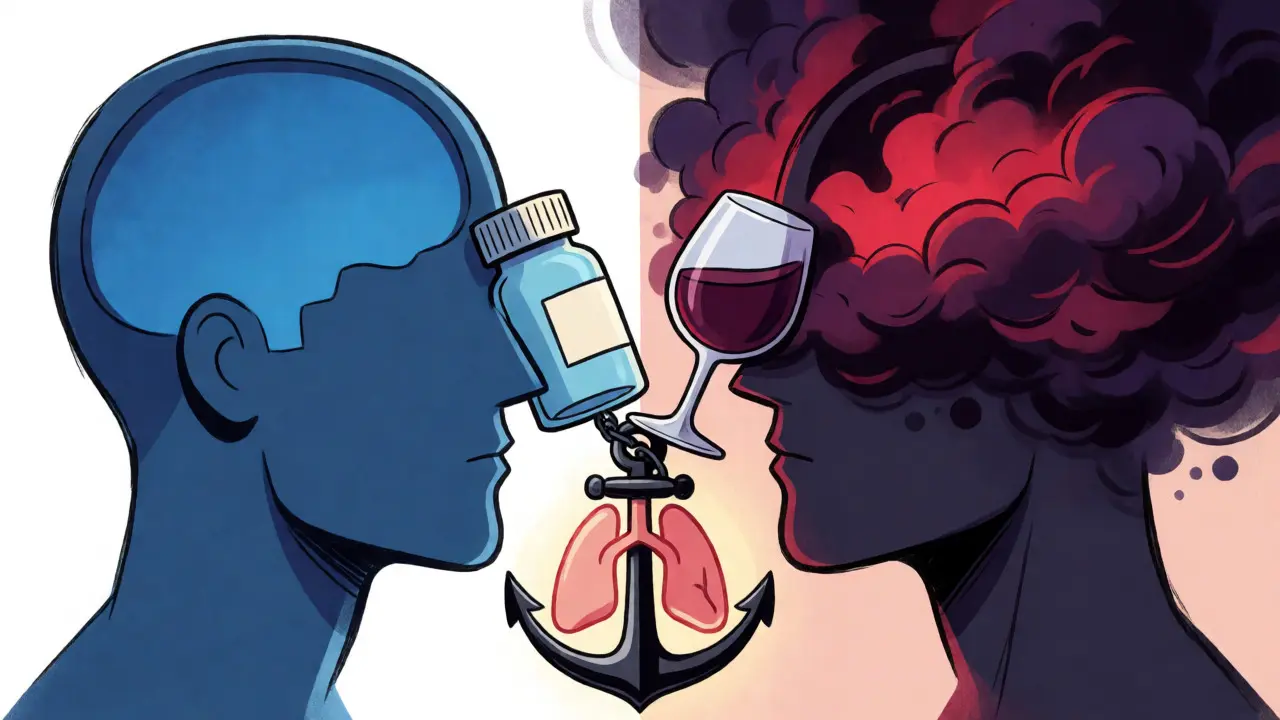
LOWYou take a pill for the back pain. You pour a glass of wine to unwind. It feels harmless, right? But combining opioids and alcohol isn't just risky-it's one of the most lethal combinations in modern medicine. The U.S. Food and Drug Administration (FDA) slapped a black-box warning on this mix in 2016 because it can stop your breathing. And we don't mean you get sleepy. We mean your brain forgets to tell your lungs to inhale.
The Perfect Storm in Your Brain
Here is the science without the jargon. Both alcohol and opioids are central nervous system (CNS) depressants. They slow things down. When you take them separately, your body handles the slowdown. When you take them together, they don't just add up; they multiply. This is called synergistic effect. A study in the Journal of Clinical Psychopharmacology showed that 20mg of oxycodone alone reduced respiration by 28%. Add alcohol until your blood alcohol concentration hits 0.1%-the legal driving limit-and respiration drops another 19%. For older adults, this gap widens even more.
Dr. Andrew H. Talal from the University at Buffalo put it bluntly before Congress: this combination creates a "perfect storm" where the sum is greater than the parts. Your brainstem controls automatic functions like breathing. Opioids dull the response to carbon dioxide buildup. Alcohol does the same thing. Together, they silence the alarm bells that usually wake you up when oxygen levels drop. You might simply drift off and not wake up.
Who Is Most at Risk?
If you think this only affects people with severe addiction, look closer. The CDC reported that in 2022, over 107,000 drug overdose deaths occurred in the U.S., and 81% involved multiple substances. Alcohol was a key player in a huge chunk of those. Data from Texas between 2010 and 2019 showed 1,683 deaths specifically linked to alcohol-opioid mixing. Seventy-seven percent were men. Why? Men are statistically more likely to consume higher volumes of alcohol alongside prescription meds or illicit opioids.
Patients on methadone maintenance therapy face heightened danger. Research published in the journal Addiction found that methadone users who drank alcohol had a 4.6 times higher risk of fatal overdose compared to those who didn't drink. Even if you're following your doctor's orders, adding a few beers can tip the balance. If you have an underlying alcohol use disorder, your risk of opioid overdose jumps by 3.2 times according to the American Society of Addiction Medicine.

It’s Not Just One Pill Type
People often assume all painkillers react the same way with booze. They don't. Synthetic opioids like fentanyl show a worrying trend. In Texas data, alcohol involvement in fentanyl deaths rose from 9% in 2010 to 17% in 2019. Heroin-related deaths fluctuated between 13-20% alcohol co-involvement during the same period. Prescription opioids like hydrocodone (Vicodin) and oxycodone (OxyContin) maintained stable rates around 10-15%, but the absolute number of cases remains high.
| Opioid Type | Alcohol Co-Involvement Trend | Risk Factor |
|---|---|---|
| Fentanyl (Synthetic) | Increased from 9% to 17% | High potency makes small alcohol amounts dangerous |
| Heroin | Fluctuating 13-20% | Unpredictable purity increases overdose variability |
| Prescription Opioids | Stable 10-15% | Common misuse leads to consistent exposure |
Don't forget the third threat: benzodiazepines. Nearly 14% of opioid overdose deaths also involve benzos like Xanax or Valium. Mix alcohol into that trio, and you have a triple threat. The FDA explicitly warns against prescribing opioid cough medicines to patients already taking CNS depressants, including alcohol, for good reason.
Signs of Trouble and Harm Reduction
How do you know if someone is slipping away? Look for shallow breathing, blue lips or fingernails, and unresponsiveness. You might not hear snoring; sometimes, the silence is the warning sign. Naloxone (Narcan) can reverse an opioid overdose, but it doesn't work on alcohol. If alcohol is the primary driver of the sedation, naloxone won't fix the breathing problem completely. However, field data from Massachusetts shows that 23% of naloxone reversals involved polysubstance use, so having it nearby is still critical.
Harm reduction isn't about judgment; it's about survival. If you must use both, stagger the timing. Don't take your opioid pill right after finishing a drink. Eat food first to slow alcohol absorption. Keep doses low. Avoid binge drinking entirely while on medication. The SAMHSA 'Don't Mix' campaign launched in 2023 with $15 million in funding specifically to target this behavior, aiming for a 10% reduction in co-involved overdoses by 2025.
What Doctors Are Doing Now
Clinicians are changing their approach. Before prescribing opioids, doctors are now required to screen for alcohol use disorder. New guidelines suggest that if you report heavy drinking, your provider might choose non-opioid alternatives or lower doses. Pharmaceutical companies are under pressure too. Purdue Pharma's recent settlement included provisions to fund alcohol screening programs for opioid patients. It's a step forward, but patient responsibility remains key.
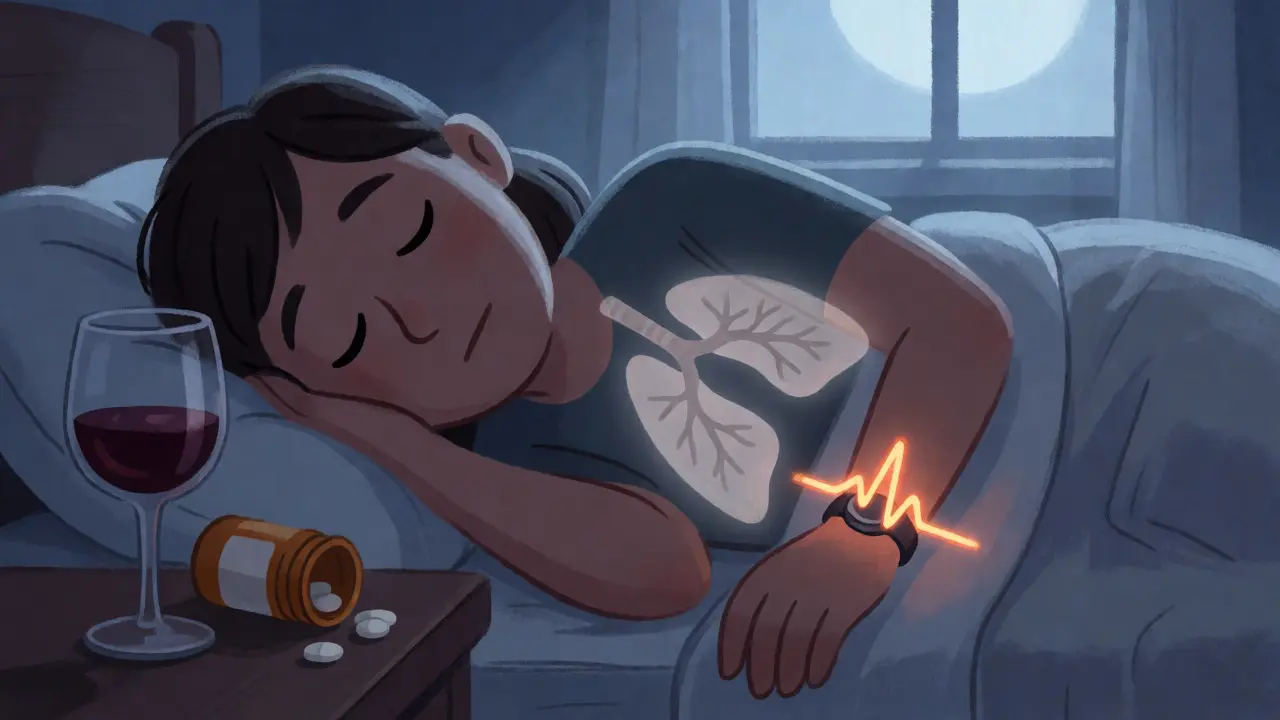
Technology might help soon. Researchers at the University of Pittsburgh identified a biomarker-reduced heart rate variability-that could predict 83% of alcohol-opioid overdose cases 30 minutes before respiratory arrest. Imagine a smartwatch alerting you before your breathing stops. That future is closer than you think, but until then, caution is your best tool.
Frequently Asked Questions
Can I have one beer while taking oxycodone?
While some individuals tolerate small amounts, there is no universally safe threshold. The FDA warns that even low doses can cause severe respiratory depression. Factors like weight, tolerance, and liver function matter. Consult your doctor before consuming any alcohol.
Does naloxone work if alcohol is involved?
Naloxone reverses the effects of opioids but has no effect on alcohol. If a person has taken both, naloxone may restore some breathing drive blocked by the opioid, but the alcohol-induced sedation will remain. Always seek emergency medical help immediately.
Which opioids are most dangerous with alcohol?
All opioids carry risk, but synthetic opioids like fentanyl pose the highest immediate threat due to their extreme potency. Small variations in dose combined with alcohol can lead to rapid respiratory failure. Methadone also carries high risk, especially for those in maintenance therapy.
Why is the risk higher for older adults?
Older adults metabolize drugs more slowly and often have reduced lung capacity. Studies show they experience greater reductions in respiration and more apneic episodes (pauses in breathing) when combining these substances compared to younger adults.
Is it safer to take opioids at night with alcohol?
No. Taking opioids at night often coincides with sleep, when natural respiratory drive decreases slightly. Adding alcohol exacerbates this drop. Many overdoses occur during sleep hours because the body fails to respond to rising carbon dioxide levels.
Adam Cox
September 2, 2026 AT 12:43Oh great, another article telling us what we already know while ignoring the actual problem. The issue isn't that people don't know mixing alcohol and opioids is bad; it's that the healthcare system prescribes these drugs like candy without properly screening for alcohol use disorder first. You talk about 'patient responsibility' but ignore that a significant portion of these prescriptions are given to patients who were never adequately assessed for their drinking habits or prior substance history. It’s easy to sit back and judge the user when the provider failed to do their job in the first place. We need systemic change, not just more warnings on pill bottles that nobody reads.
Morgan Law
September 3, 2026 AT 19:35Hey everyone! Just wanted to drop in and say this is a really solid breakdown. I’ve seen so many friends struggle with this exact combo because they didn’t realize how much one glass of wine could amplify the painkillers. It’s not about being judgmental; it’s about understanding the biology. If you’re on meds, please talk to your doc before having a drink. Better safe than sorry!
Sarah Leitschuh
September 5, 2026 AT 10:23I appreciate the nuance here. While Adam makes a valid point about prescribing practices, we also have to acknowledge the patient's agency. Many individuals are aware of the risks but underestimate the synergistic effect. It’s not just additive; it’s multiplicative. That distinction saves lives. We need both better screening protocols AND better patient education. They aren't mutually exclusive goals.
Marshall Stephens
September 5, 2026 AT 15:32The data on older adults is particularly concerning. Reduced lung capacity combined with slower metabolism creates a perfect storm that younger folks often overlook. My grandfather passed away from a similar combination, thinking he was just taking his evening meds and having a small nightcap. It wasn't enough time between doses and the alcohol absorption rate changed everything. We need to tailor advice specifically for seniors, not just general population stats.
Aaron Gragg
September 7, 2026 AT 11:34From a pharmacokinetic standpoint, the competitive inhibition at the mu-opioid receptor sites when ethanol is present complicates the half-life calculations significantly. Furthermore, the hepatic enzyme competition (specifically CYP450 isoforms) can lead to unpredictable serum concentrations of both substances. This metabolic interference renders standard dosing guidelines insufficient for patients with variable alcohol intake patterns. One must consider the inter-individual variability in genetic polymorphisms affecting drug metabolism when assessing risk profiles for polysubstance ingestion.
Curtis Surpless
September 8, 2026 AT 20:50nah its all bs. fentanyl is the real killer now not the alcohol mix. most people dont even know whats in their pills. blaming booze is old school. look at the street supply. purity is zero. thats why people die. not because they had a beer.
Harry Falk
September 10, 2026 AT 02:55Agreed on the supply chain issues. However, prescription misuse remains a major vector. We shouldn't dismiss the clinical context entirely.
Rose Boerner
September 11, 2026 AT 21:00It is absolutely shameful that society continues to normalize the consumption of neurotoxic substances alongside powerful analgesics. We act as though our bodies are invincible machines, yet we poison them daily and expect no consequences. This lack of moral fortitude and self-discipline is precisely why we face such a crisis. We must return to traditional values of temperance and respect for medical authority. To treat life-saving medication as a casual accompaniment to leisure is an affront to public health standards.
Akeem Feiton
September 13, 2026 AT 02:22look at the stats again. 77% men? obviously. men think they can handle anything. weak liver weak mind. usa needs to stop letting pharma push junk into our veins then blame us for drinking a cold one. its a trap set by greedy corp. we fight wars for oil they fight for profit. same energy. stupid policies cause stupid deaths.
Kristina Rhodes
September 13, 2026 AT 03:01Perhaps the tragedy lies in our collective inability to view the body as an integrated system rather than a collection of parts to be managed separately. When we isolate the symptom (pain) from the context (lifestyle, stress, culture), we create vulnerabilities. Optimistically, the shift toward harm reduction suggests a maturing empathy in our medical approach. We are learning to meet people where they are, which is a slow but necessary evolution of care.
Eryn Manchego
September 13, 2026 AT 03:35love the biomarker mention!! heart rate variability is such a cool frontier tech. imagine if apple watch actually saved lives instead of just counting steps lol. keep fighting the good fight science
Crystal Torres
September 14, 2026 AT 08:11The statistical correlation between male gender and higher mortality rates in this specific demographic warrants further investigation into behavioral psychology and social conditioning regarding substance use. Additionally, the efficacy of naloxone in polysubstance scenarios requires precise administration protocols to ensure maximum utility during emergency interventions.