Ezetimibe and Bempedoic Acid: The Best Alternatives to Statins for High Cholesterol
 Jul, 16 2026
Statin Alternative Comparison Tool
Enter your details below to see how these medications might impact your cholesterol levels and costs.
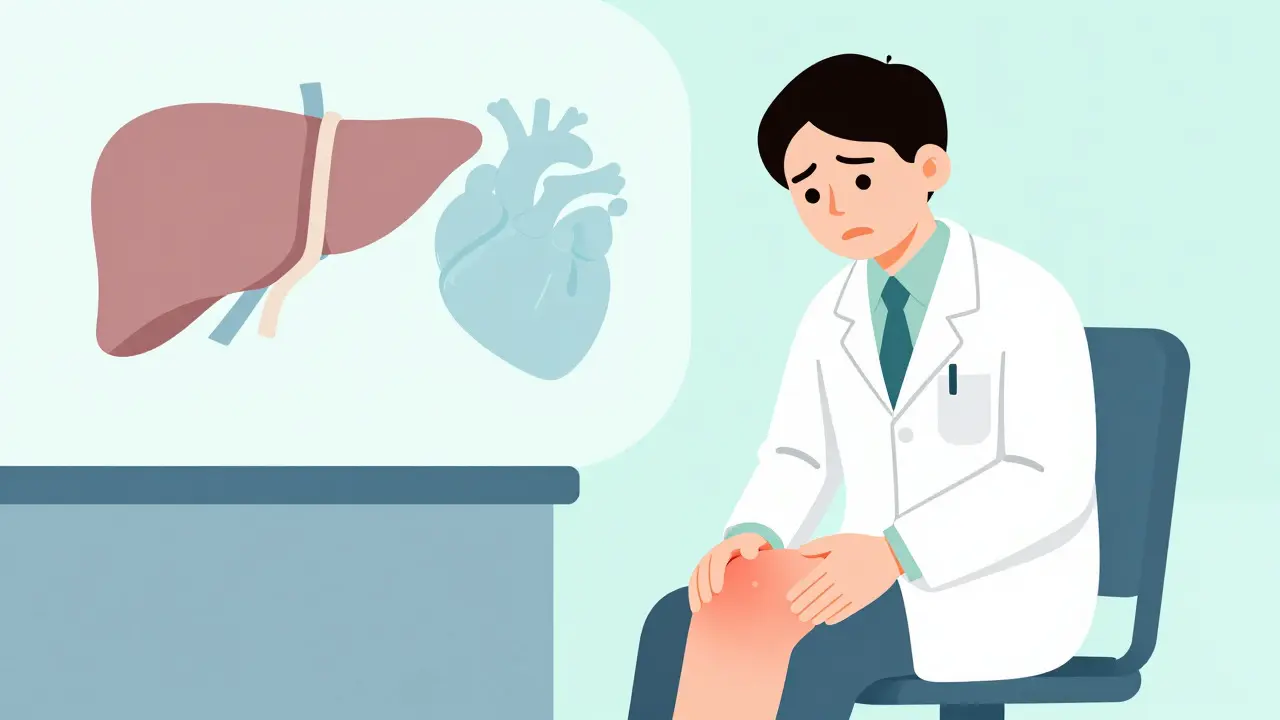
If you’ve been told your cholesterol is too high but the idea of taking a statin makes you wince because of muscle pain or other side effects, you are not alone. About one in four people who try statins cannot tolerate them long-term. For these patients, doctors have two powerful oral alternatives that do not rely on the same mechanism as traditional statins: ezetimibe and bempedoic acid. These medications offer a way to lower LDL (bad) cholesterol and reduce heart attack risk without the muscle-wasting effects that plague many statin users.
Understanding how these drugs work, their real-world effectiveness, and their costs can help you have a smarter conversation with your doctor. Let’s break down what ezetimibe and bempedoic acid actually do, who they are best for, and whether they might be the right fit for your health goals.
Why Do We Need Alternatives to Statins?
Statins remain the gold standard for lowering cholesterol. They block an enzyme called HMG-CoA reductase, which stops your liver from making cholesterol. While highly effective, this process also depletes coenzyme Q10 in muscles, leading to pain, weakness, or cramps in roughly 7-29% of patients. This condition is known as statin intolerance.
For decades, if a patient couldn’t take a statin, options were limited. Doctors might prescribe bile acid sequestrants (which cause digestive upset) or fibrates (which mainly target triglycerides). Ezetimibe and bempedoic acid changed the game by offering targeted, oral therapies that specifically lower LDL cholesterol through different pathways, sparing the muscles.
Ezetimibe: The Intestinal Blocker
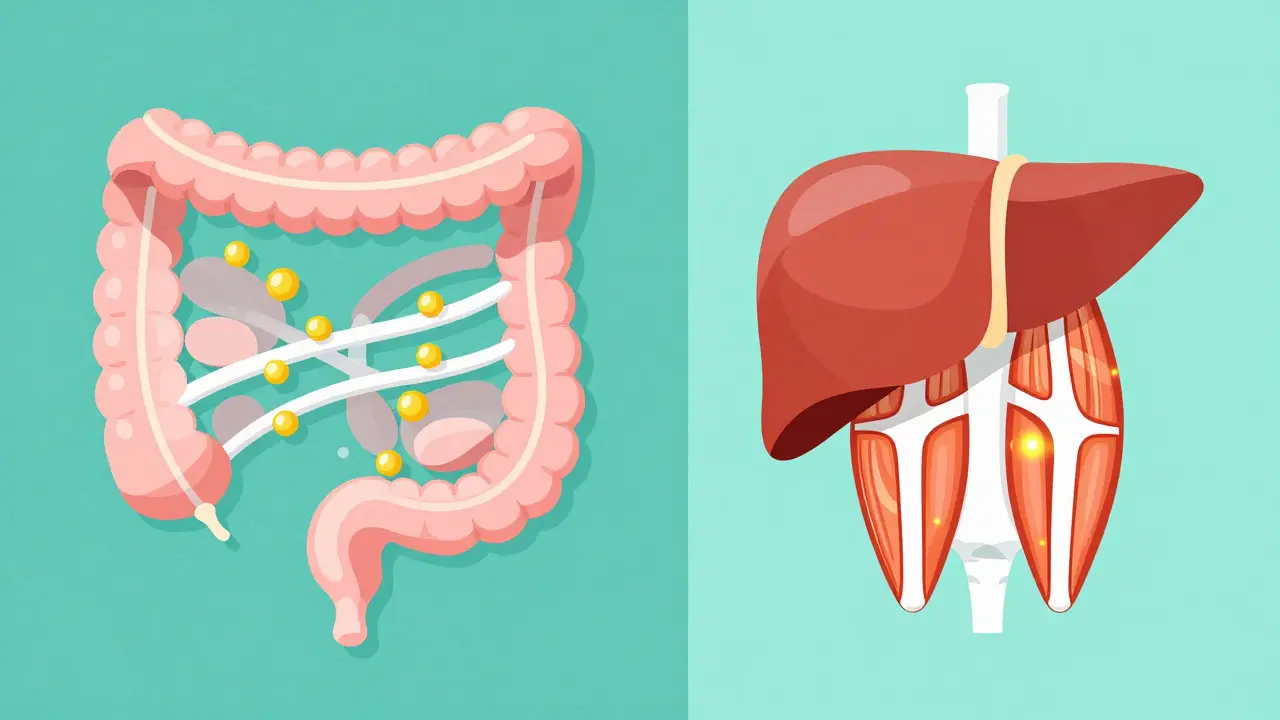
Ezetimibe (Zetia) is a cholesterol absorption inhibitor approved by the FDA in 2002. Unlike statins that stop cholesterol production, ezetimibe works in your small intestine. It blocks a protein called Niemann-Pick C1-like 1 (NPC1L1), which is responsible for absorbing dietary and biliary cholesterol into your bloodstream.
By blocking this entry point, ezetimibe reduces the amount of cholesterol entering your system by about 50-60%. Your liver then compensates by pulling more LDL out of your blood to make up for the loss, effectively lowering your circulating LDL levels.
- Dosage: Typically 10 mg once daily.
- LDL Reduction: Lowers LDL by 15-22% when taken alone. When added to a statin, it provides an additional 18-25% reduction.
- Safety Profile: Very well-tolerated. Side effects are rare and usually mild, such as diarrhea or fatigue.
- Cost: Since becoming generic, it is very affordable, often costing less than $4 per month with insurance or discount programs.
Ezetimibe is often the first alternative doctors reach for because it is cheap, safe, and has a long track record of safety data. However, its modest LDL-lowering power means it might not be enough for high-risk patients on its own.
Bempedoic Acid: The Liver Target That Spares Muscles
Bempedoic Acid (Nexletol) is an ATP citrate lyase (ACL) inhibitor approved by the FDA in February 2020. It targets cholesterol synthesis in the liver, similar to statins, but at an earlier step in the biochemical pathway.
The magic of bempedoic acid lies in its activation. It is a prodrug, meaning it is inactive until it reaches the liver. It requires an enzyme called ACSVL1 to become active. This enzyme is present in the liver but absent in skeletal muscle. Because the drug never activates in your muscles, it does not cause the myalgia (muscle pain) associated with statins.
- Dosage: 180 mg once daily.
- LDL Reduction: Lowers LDL by approximately 17-23% as monotherapy. Adds another 15-22% when combined with a statin.
- Cardiovascular Benefit: The CLEAR Outcomes trial (published in NEJM, 2023) showed that bempedoic acid reduced major adverse cardiovascular events (MACE) by 13% in high-risk patients unable to take statins.
- Side Effects: Generally well-tolerated, though some users report joint pain or gout flares due to increased uric acid levels.
Bempedoic acid was the first oral non-statin drug to demonstrate a clear reduction in heart attacks and strokes in a large-scale clinical trial, making it a compelling option for those with established heart disease.
Head-to-Head: Ezetimibe vs. Bempedoic Acid
Choosing between these two depends on your specific health profile, budget, and how much your LDL needs to drop. Here is how they compare in key areas.
| Feature | Ezetimibe (Zetia) | Bempedoic Acid (Nexletol) |
|---|---|---|
| Mechanism | Blocks cholesterol absorption in the gut | Inhibits cholesterol synthesis in the liver |
| LDL Lowering (Monotherapy) | 15-22% | 17-23% |
| Heart Attack Risk Reduction | Indirect evidence; strong when combined with statins | Proven 13% MACE reduction in statin-intolerant patients |
| Muscle Safety | Excellent (no muscle involvement) | Excellent (inactive in muscle tissue) |
| Approximate Monthly Cost | $4 - $15 (Generic) | $200 - $300 (Brand name, varies by insurance) |
| Common Side Effects | Diarrhea, fatigue | Joint pain, elevated uric acid (gout risk) |
While bempedoic acid offers proven cardiovascular outcome benefits on its own, ezetimibe is significantly cheaper and has been used safely for over two decades. Many clinicians start with ezetimibe due to cost-effectiveness. If that isn’t enough, or if the patient has high cardiovascular risk, bempedoic acid becomes the preferred next step.
The Power of Combination Therapy
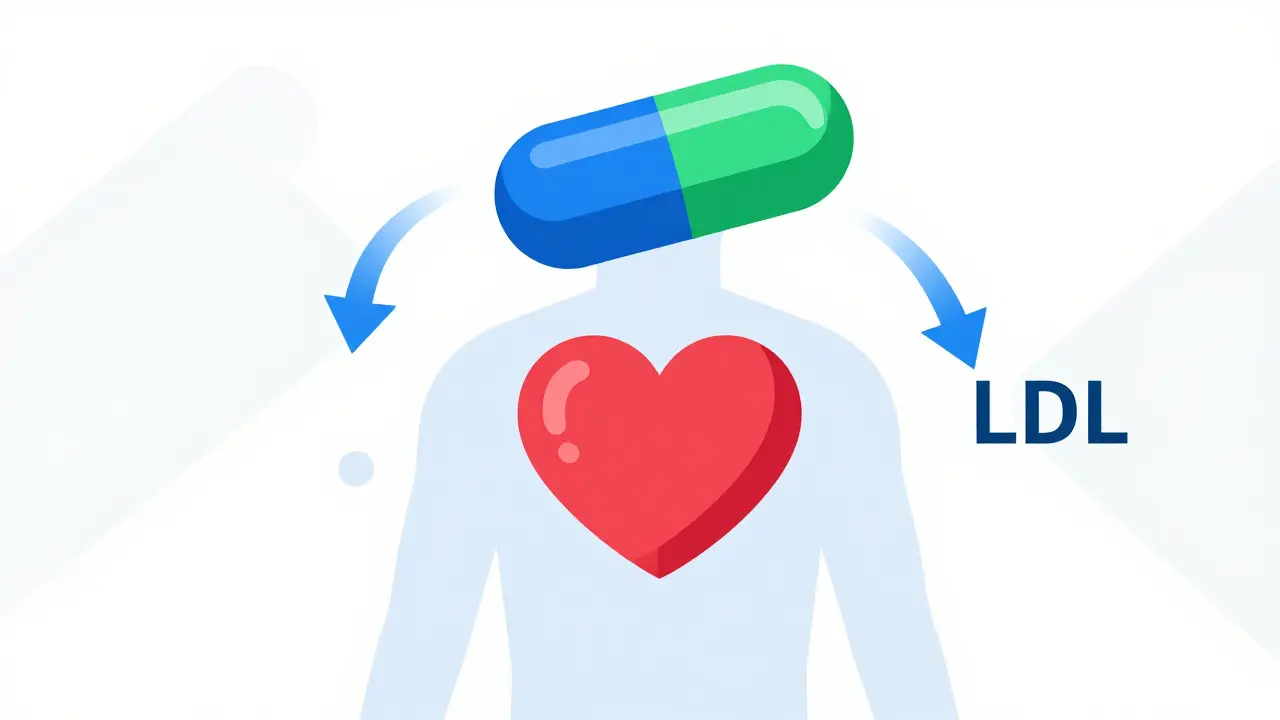
You don’t always have to choose just one. In fact, combining these drugs is often more effective than either alone. There is a fixed-dose combination pill called Nexlizet, which contains both bempedoic acid and ezetimibe.
Because they work in different parts of the body-the gut and the liver-they complement each other perfectly. Taking Nexlizet can lower LDL cholesterol by 35-40%, which is comparable to moderate-intensity statin therapy. This is particularly useful for patients who need a significant drop in LDL but cannot tolerate any statin at all.
Real-World Experience: What Patients Say
Clinical trials are controlled environments, but real life is messier. Patient feedback from forums like Reddit’s r/Cholesterol and review sites like GoodRx paints a nuanced picture.
Many users praise bempedoic acid for eliminating muscle pain. One user reported dropping their LDL from 142 to 101 mg/dL with no side effects after switching from atorvastatin. However, cost is a major barrier. Without insurance coverage, the price tag can exceed $200 a month, leading some to discontinue use despite its effectiveness.
Ezetimibe users generally report higher satisfaction scores, largely due to its low cost and reliability. Some note that the LDL drop feels "modest" compared to the dramatic numbers seen with high-dose statins, but they appreciate the lack of side effects. A common theme among both groups is the importance of managing expectations: these drugs are not "super-statins," but they are vital tools for keeping your heart healthy when statins fail.
When Are These Drugs Prescribed?
Doctors typically follow a decision pathway before prescribing these alternatives:
- Confirm Statin Intolerance: Before switching, doctors will often try a "rechallenge" protocol-trying different statins at lower doses or every-other-day dosing-to see if you can tolerate a small amount of statin.
- Assess Cardiovascular Risk: If you have existing heart disease (ASCVD) or diabetes, your LDL target is stricter. In these cases, bempedoic acid may be prioritized due to its proven heart attack prevention data.
- Check Drug Interactions: Bempedoic acid can increase the levels of certain statins in your blood. If you are still taking a low-dose statin alongside bempedoic acid, your doctor must adjust the statin dose to avoid toxicity.
- Monitor Lipid Panels: After starting treatment, you’ll need blood tests in 4-12 weeks to ensure your LDL is dropping by at least 15-20%.
Future Outlook and New Developments
The landscape of cholesterol management is evolving rapidly. As of 2024, bempedoic acid is gaining traction, with sales reflecting growing acceptance among cardiologists. Ongoing studies, such as the CLEAR CardioTrack trial, are investigating whether bempedoic acid can actually shrink plaque in arteries, which would provide even stronger evidence for its long-term benefits.
Meanwhile, newer injectable treatments like PCSK9 inhibitors and inclisiran offer even greater LDL reductions but come with higher costs and different administration routes. For most patients seeking a simple, daily pill that doesn’t hurt their muscles, ezetimibe and bempedoic acid remain the top contenders.
Can I take ezetimibe and bempedoic acid together?
Yes, they can be taken together. In fact, there is a single pill called Nexlizet that combines both medications. This combination is often more effective than either drug alone, lowering LDL cholesterol by 35-40%.
Is bempedoic acid better than ezetimibe?
It depends on your needs. Bempedoic acid has proven to reduce heart attacks and strokes in large trials, which ezetimibe has not demonstrated as clearly in monotherapy trials. However, ezetimibe is much cheaper and has a longer safety history. For high-risk patients, bempedoic acid may be preferred; for cost-conscious patients, ezetimibe is often the first choice.
Does bempedoic acid cause muscle pain?
Generally, no. Bempedoic acid is designed to be inactive in muscle tissue, so it does not cause the muscle pain associated with statins. Clinical trials show muscle pain rates similar to placebo. However, some users report joint pain, which is a different symptom.
How long does it take for ezetimibe to work?
Ezetimibe starts working quickly to block cholesterol absorption. You will typically see a measurable drop in LDL cholesterol within 2 to 4 weeks of starting the medication. Doctors usually recommend a follow-up blood test after 4-12 weeks to confirm efficacy.
Are there natural ways to lower cholesterol instead of these drugs?
Lifestyle changes like a heart-healthy diet (low in saturated fats, high in fiber), regular exercise, and weight loss can lower cholesterol. However, for many people with genetic predispositions or high cardiovascular risk, lifestyle changes alone are not enough to reach target LDL levels. Medications like ezetimibe and bempedoic acid are necessary adjuncts to these lifestyle efforts.
Ed Ostrego
July 18, 2026 AT 10:46Hey everyone! Just wanted to say this is such a timely and helpful breakdown. I’ve been struggling with statin intolerance for years, and it’s incredibly frustrating when doctors just push the same old meds without considering alternatives. This info gives me hope that there are real options out there. Let’s keep sharing our experiences so we can help each other navigate this messy healthcare system!
Patrick Meyer
July 19, 2026 AT 16:58lol ezetimibe? please. its basically useless unless you take it with a statin which defeats the whole point of avoiding them in the first place. bempedoic acid is overpriced garbage too. honestly most people just need to stop eating like pigs and start exercising instead of relying on big pharma pills. but sure, keep spending your hard earned money on these miracle cures.
Andrew Donovan
July 20, 2026 AT 09:57While Patrick makes a valid point about lifestyle changes being foundational, dismissing pharmacological interventions entirely is medically naive. For individuals with familial hypercholesterolemia or established cardiovascular disease, diet alone rarely suffices to reach LDL targets. The beauty of bempedoic acid lies in its specific mechanism-activating only in the liver via ACSVL1, thus sparing skeletal muscle from the myalgia associated with HMG-CoA reductase inhibitors. It is not merely a 'miracle cure' but a targeted therapeutic tool. That said, cost remains a significant barrier, and insurance coverage varies wildly. One must weigh the proven reduction in MACE against the financial burden. A holistic approach combining dietary modification, exercise, and appropriate medication is often the most prudent path forward.
Autumn LW
July 21, 2026 AT 14:12Oh, spare me the pseudo-intellectual drivel about 'holistic approaches.' If you have genetic dyslipidemia, no amount of kale salads will fix your broken lipid metabolism. Bempedoic acid isn't 'overpriced garbage'; it's a life-saving intervention for those who cannot tolerate statins. The CLEAR Outcomes trial data is clear: 13% reduction in major adverse cardiovascular events. Ignoring evidence-based medicine because you're afraid of taking a pill is exactly why heart attack rates remain stubbornly high among certain demographics. Get educated before you spout off.
Ambarish Pal
July 22, 2026 AT 07:45Wait wait wait... hold on a second! You all are acting like cholesterol is some evil demon that needs to be vanquished at all costs! What about the fact that low cholesterol is linked to depression and hemorrhagic stroke?! The pharmaceutical industry wants you scared and dependent! I switched to coconut oil and red yeast rice and feel amazing! These drugs are just profit machines designed to keep you sick! Wake up sheeple!
Scott Colter
July 23, 2026 AT 20:50The nature of truth in medicine is often obscured by the fog of commercial interest, yes. Yet, to dismiss the biochemical reality of atherosclerosis as mere fear-mongering is to ignore the silent killer that claims millions annually. Red yeast rice contains monacolin K, which is chemically identical to lovastatin-a statin. So, in a way, you are still taking a statin, just unregulated and potentially inconsistent in potency. There is wisdom in understanding the mechanism of action rather than rejecting it outright based on emotional reaction. Balance, my friends, is key. Listen to your body, but respect the science.
Paul Lyons
July 24, 2026 AT 05:41This entire debate is a symptom of our crumbling healthcare system here in America! Why do we even need these expensive alternatives when other countries provide basic care without bankrupting patients? Bempedoic acid costing $300 a month is an outrage! It’s corporate greed run amok! We should be proud of our freedom, but this isn’t freedom-it’s exploitation! I’m tired of seeing good Americans suffer because they can’t afford their prescriptions while Big Pharma counts its billions!
Prashant Shishodia
July 25, 2026 AT 22:59Just stick to the basics. Take the med if your doctor says so. Eat less junk. Move more. Stop arguing online. Simple is best.