Generic Price Transparency: Tools to Find the Best Drug Prices in 2026
 Jul, 24 2026
Why Your Generic Pill Costs More Than You Think
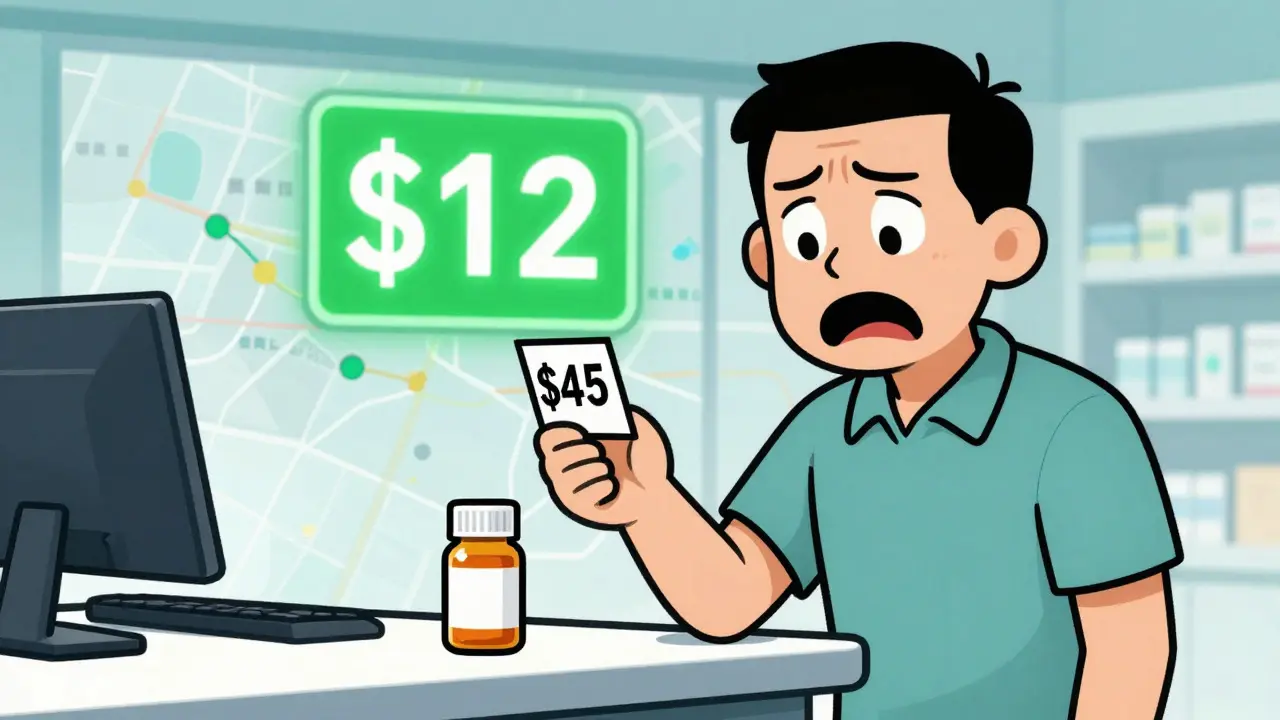
You walk into a pharmacy with a prescription for a generic blood pressure medication. The pharmacist tells you it’s $45. You leave frustrated, assuming that’s just what the drug costs. But here is the truth: that $45 might be the highest price available in your zip code, while another pharmacy three miles away charges $12 for the exact same pill. This disconnect exists because generic price transparency has historically been broken. For years, patients and even doctors were flying blind, unaware of the massive gaps between list prices, wholesale acquisition costs (WAC), and the actual net price after rebates.
In 2026, this is changing. New regulations and better technology are finally pulling back the curtain on pharmaceutical pricing. Whether you are a patient trying to save money or a provider looking to help your patients adhere to their treatment plans, understanding these new tools is no longer optional-it is essential. The landscape has shifted from opaque guesswork to data-driven decision-making, driven by federal rules like the Consolidated Appropriations Act (CAA) of 2021 and state-level initiatives across 23 states as of mid-2025.
The Hidden Layers of Drug Pricing
To understand why you need specific tools, you first have to understand why the system was so confusing. A generic drug does not have one single price. It has a Wholesale Acquisition Cost (WAC), which is the manufacturer’s suggested list price. Then there are rebates negotiated between Pharmacy Benefit Managers (PBMs) and insurers. Finally, there is the copay or coinsurance you pay at the counter.
Often, the WAC is artificially high to allow for larger rebates, meaning the insurance company pays less than you do if you pay cash. This creates a perverse incentive where a "cheaper" generic on paper might cost you more out-of-pocket than a brand-name alternative with better coverage. Until recently, no one could see these numbers in real-time. Now, thanks to the 2020 Prescription Drug File rule and subsequent updates, health plans must report negotiated prices. However, the data is complex. That is where specialized software comes in.
Real-Time Benefit Tools (RTBTs): The Doctor’s Secret Weapon
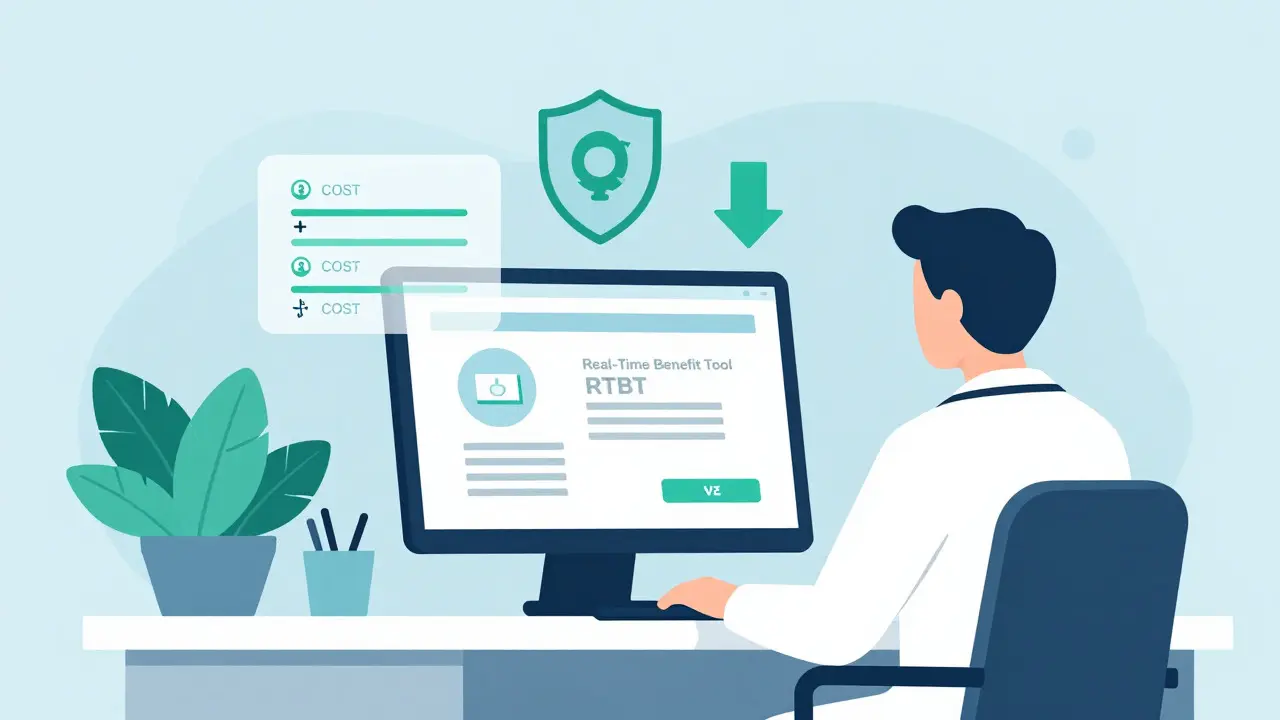
If you want the best price, the conversation needs to start before you leave the doctor’s office. This is where Real-Time Benefit Tools (RTBTs) come into play. These are digital systems integrated directly into Electronic Medical Records (EMRs) like Epic or Cerner. When a doctor types in a prescription, the RTBT instantly queries multiple pharmacies and insurance databases to show the patient-specific cost-sharing amount.
CoverMyMeds is the leading RTBT platform used by over 1.2 million healthcare providers. As of early 2025, it integrates with 98% of major EHR systems. When a physician uses CoverMyMeds, they can see not just the cost of the prescribed drug, but also cheaper therapeutic alternatives and eligibility for patient assistance programs.
For example, if a patient is prescribed a generic statin that costs $50 with their current insurance, the RTBT might flag a different generic statin that costs only $5. Or, it might reveal that the patient qualifies for a manufacturer discount program that drops the price to zero. Studies show that using these tools reduces brand-name prescription rates by over 8% when generics are available, simply because the doctor and patient can discuss affordability upfront. Adoption has surged from 15% of practices in 2022 to nearly 42% in 2025, proving that clinicians value this visibility.
Consumer-Facing Apps: GoodRx and Beyond
What if you already have the prescription? You don’t need a doctor’s computer to find a better deal. Consumer-facing apps like GoodRx, RxSaver, and SingleCare have become household names for good reason. They aggregate cash prices from thousands of pharmacies nationwide. According to J.D. Power, 43% of U.S. pharmacies now accept GoodRx coupons, making it a ubiquitous tool for finding the lowest cash price.
However, these tools come with caveats. The price shown in the app is often a "cash price," not an insured price. If you have insurance, using a coupon might count toward your deductible differently or bypass formulary tiers. Always check with your pharmacist. Also, be wary of distance. An app might show a $4 price at a pharmacy 20 miles away, but gas costs and time might make that deal worthless. Look for local options within a 5-mile radius. Despite some complaints about price fluctuations upon arrival, these apps remain the most effective way for consumers to exert market pressure on pharmacies.
State-Level Transparency Boards and Laws
Federal rules set the baseline, but states are driving innovation. By April 2025, 23 states had enacted drug price transparency laws. Some go further. Minnesota established a Prescription Drug Affordability Board (PDAB) that reviews drug costs and can cap price increases. California requires manufacturers to report price hikes exceeding 16% over two years. These boards publish data that researchers and advocates use to hold manufacturers accountable.
If you live in a state with a PDAB, check their website. They often publish lists of drugs under review or those with approved price caps. This information can help you anticipate cost changes or switch medications before a price hike takes effect. While these boards don’t always lower prices overnight, they create a framework for negotiation that benefits all residents.

Comparing the Top Price Transparency Tools
Not all tools serve the same purpose. Here is how the major players compare:
| Tool Name | Primary User | Key Feature | Limitation |
|---|---|---|---|
| CoverMyMeds RTBT | Physicians/Clinics | Integrates with EMR; shows patient-specific insurance costs | Requires clinic setup; not accessible to patients directly |
| GoodRx | Consumers/Patients | Instant cash price comparison across local pharmacies | Prices may change at counter; doesn't always reflect insurance benefits |
| RxAssist | Uninsured/Low-Income Patients | Connects users to manufacturer assistance programs | Application process is complex and time-consuming |
| Surescripts RTPB | Pharmacies/Providers | Standardized API for benefit checks | Lower adoption among independent physicians compared to CoverMyMeds |
How to Use These Tools Effectively
Finding the best price is a skill. Here is a step-by-step approach to maximize your savings:
- Ask for an RTBT Check: At your next appointment, ask your doctor if they use a Real-Time Benefit Tool. If they do, request that they run a cost comparison before finalizing the prescription. This takes seconds and can save hundreds of dollars.
- Verify with Insurance: Before filling, call your pharmacy benefit manager or check your insurer’s app. Sometimes, a higher-tier generic is covered fully due to specific plan designs, whereas a lower-tier one isn’t.
- Use GoodRx Strategically: If you are uninsured or your copay is higher than the cash price, use GoodRx. Enter your ZIP code and compare at least three nearby pharmacies. Call ahead to confirm stock and price.
- Explore Assistance Programs: If you still cannot afford the medication, visit RxAssist or NeedyMeds.org. These platforms help you apply for manufacturer coupons or patient assistance programs. While the paperwork is heavy, 78% of users successfully obtain free or discounted meds.
- Monitor State Resources: If you live in a state with a Drug Affordability Board, subscribe to their alerts. Early warnings about price hikes can help you switch to a stable alternative proactively.
The Future of Price Transparency
The road ahead is bumpy but promising. In 2025, the Senate introduced the Drug-price Transparency for Consumers Act (DTC Act), which would require direct-to-consumer ads to disclose wholesale acquisition costs. This would force manufacturers to be honest about base prices. Meanwhile, CMS continues to refine its transparency rules, demanding standardized data formats from hospitals and health plans.
However, challenges remain. Confidential rebates still obscure true net prices. Critics argue that full transparency could reduce competition among PBMs, potentially raising costs. Despite this, the trend is clear: patients are becoming more informed, and providers are equipped with better data. The era of surprise medical bills for prescriptions is slowly ending, replaced by a system where knowledge is power-and savings are within reach.
What is a Real-Time Benefit Tool (RTBT)?
An RTBT is a software tool integrated into a doctor's electronic medical record system. It allows prescribers to see the patient-specific cost of a medication, including copays and alternative cheaper options, at the moment of prescribing. This helps avoid surprise costs and improves adherence.
Is GoodRx accurate for finding the cheapest generic price?
GoodRx is highly effective for finding low cash prices, especially for uninsured patients. However, prices can fluctuate, and the displayed price may not include insurance benefits. Always verify the price with the pharmacist before purchasing, and consider travel costs if the cheapest option is far away.
How do state drug affordability boards help consumers?
State boards, like Minnesota's PDAB, review drug prices and can cap excessive increases. They provide public data on pricing trends, allowing patients and advocates to monitor costs and push for negotiations. Living in a state with such a board can offer additional protections against sudden price hikes.
Why is my generic drug so expensive despite being "generic"?
Generic drugs can be expensive due to lack of competition (if only one manufacturer makes it), supply chain issues, or complex insurance rebate structures. Sometimes, the list price is high to facilitate rebates for insurers, leaving cash-paying patients with a steep bill. Using transparency tools can help identify cheaper alternatives or assistance programs.
Can I use GoodRx if I have insurance?
Yes, but be cautious. GoodRx provides a cash price. If your insurance copay is lower than the GoodRx price, stick with insurance. However, if your copay is high or the drug is not covered, GoodRx may offer significant savings. Note that using a coupon might affect how payments count toward your annual deductible.
Prashant Shishodia
July 26, 2026 AT 14:59Great info here. Use these tools daily. Saves money every time. Keep checking prices before you buy. Simple steps work best. Don't overthink it. Just do it.
Autumn LW
July 27, 2026 AT 20:53Oh, please. Another article pretending that 'transparency' solves anything when the real issue is the monopoly power of PBMs and the sheer incompetence of our regulatory framework. You expect the average person to navigate RTBTs and GoodRx algorithms like they're trading stocks? It's absurd. The burden shouldn't be on the patient to act as their own pharmacy benefit manager. This is lazy policy disguised as innovation. We need structural reform, not another app to download.
Scott Colter
July 29, 2026 AT 00:40There is a profound irony in how we seek clarity in a system designed for opacity, much like trying to read a map drawn in invisible ink. The tools mentioned are merely lenses, but the image remains distorted by the hand that holds them. Perhaps the true cost isn't monetary, but the cognitive load placed upon those already struggling to survive. One must wonder if efficiency is the enemy of empathy in this digital age.
Paul Lyons
July 29, 2026 AT 10:50This is exactly what happens when we let bureaucrats decide how we pay for medicine! In other countries, they don't have this nonsense. They have single-payer or strict caps. Here, we get 'tools' because we can't admit our system is broken beyond repair. It's a disaster for American families. We deserve better than playing detective for our blood pressure meds!
Deva Vidya
July 29, 2026 AT 18:03I actually found this really helpful! I was so confused about why my copay was higher than the cash price last month. After reading this, I checked GoodRx and saved $30 on my refill. It’s great that these options exist now. Everyone should try asking their doctor about RTBTs too. Small steps make a big difference!
ANINDA GHOSH
July 31, 2026 AT 12:45In my culture, we often speak of balance and harmony, yet the pharmaceutical industry operates on chaos and greed. : ) It is fascinating to see technology attempting to bring order to this disorder. However, one must remember that data without wisdom is merely noise. Let us use these tools with mindfulness and share knowledge with our communities. Together, we can navigate this complex landscape with grace and understanding. Namaste.
Patrick Meyer
August 1, 2026 AT 08:44The problem is that most people are too stupid to use these tools properly. They dont even know what a WAC is. Its not the systems fault, its the users. If you cant figure out a simple app, maybe you dont deserve cheap meds. Just saying. Also, the spelling in this post is fine but the concepts are basic. Elites understand this stuff naturally.