Lifetime Savings: How Generics Cut Costs for Chronic Conditions
 Jul, 20 2026
Key Takeaways
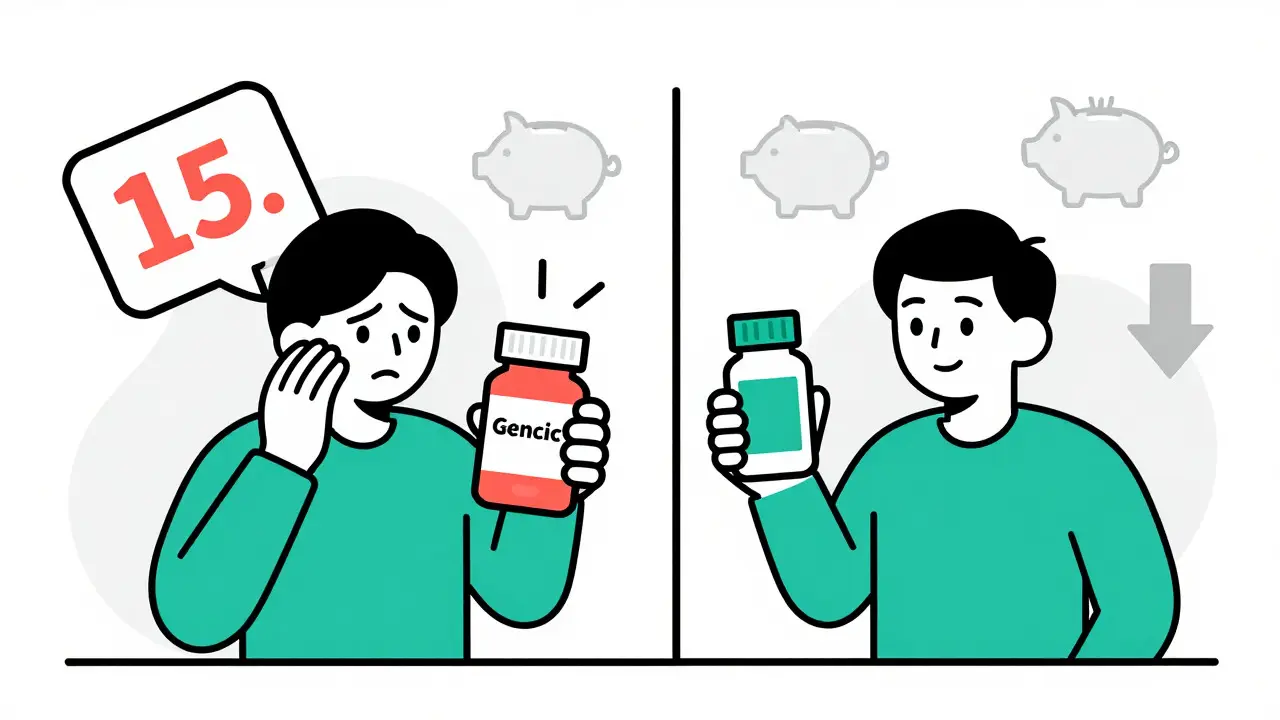
- Generic drugs cost 80-85% less than brand-name equivalents while providing identical therapeutic effects.
- Switching to generics can save a patient with hypertension $1,200-$2,000 annually on lifelong medication.
- Patient adherence improves by 15-25% when using affordable generic options, leading to fewer hospitalizations.
- The U.S. healthcare system saved $338 billion in 2020 alone by using generic and biosimilar drugs instead of branded ones.
- FDA bioequivalence standards ensure generics have the same active ingredients and strength as brand-name drugs.
You take your blood pressure pill every morning without thinking twice about it. But have you ever stopped to calculate what that small white tablet costs over a lifetime? For millions of people managing chronic conditions like diabetes, heart disease, or asthma, the choice between brand-name and generic medications isn't just a pharmacy preference-it’s a financial decision that echoes for decades.
Let’s look at the hard numbers. If you need medication for a chronic condition, you are likely taking it for the rest of your life. A single prescription might seem manageable month-to-month, but the cumulative cost is staggering. This is where generic drugs step in as the ultimate tool for lifetime savings. They aren’t just cheaper; they are the economic backbone of modern chronic care management.
What Are Generic Drugs, Really?
There is a persistent myth that "generic" means "lesser quality." In reality, the opposite is true. When a pharmaceutical company develops a new drug, they get a patent-usually lasting 20 years-that gives them exclusive rights to sell it. During this time, prices are high because the company needs to recoup billions in research and development costs. Once that patent expires, other manufacturers can produce their own versions. These are generics.
To reach your local pharmacy, a generic drug must pass rigorous testing by the Food and Drug Administration (FDA). The key standard here is bioequivalence. This means the generic version must deliver the same amount of active ingredient into your bloodstream within the same timeframe as the brand-name drug. The FDA requires a 90% confidence interval showing that the generic’s performance falls between 80% and 125% of the brand-name drug’s pharmacokinetic parameters. In plain English: if the brand works, the generic works exactly the same way.
The only differences allowed are in inactive ingredients-things like fillers, binders, or dyes that hold the pill together or give it color. These do not affect how the drug treats your condition. So, when you switch from a brand-name statin to a generic one, you are getting the exact same cholesterol-lowering power, just in a different-looking package.
The Math Behind Lifetime Savings
Let’s break down the economics with a real-world example. Consider lisinopril, a common medication for high blood pressure. The brand-name version, Prinivil, can cost anywhere from $40 to $50 per month. The generic version, lisinopril, often costs around $4 per month, especially with insurance coverage or discount programs.
| Drug Type | Monthly Cost | Annual Cost | 10-Year Total |
|---|---|---|---|
| Brand-Name (Prinivil) | $45.00 | $540.00 | $5,400.00 |
| Generic (Lisinopril) | $4.00 | $48.00 | $480.00 |
| Savings | $41.00 | $492.00 | $4,920.00 |
That’s nearly $5,000 saved in just ten years for one medication. Now imagine managing multiple chronic conditions-perhaps adding metformin for diabetes and albuterol for asthma. The savings compound rapidly. Across the entire United States, the impact is massive. In 2020, the use of generic and biosimilar drugs saved the U.S. healthcare system an estimated $338 billion. Over the previous decade, those savings totaled nearly $2.4 trillion. This isn’t just pocket change; it’s money that stays in your bank account instead of going to pharmaceutical marketing budgets.
Why Adherence Matters More Than Price Alone
Price is important, but health outcomes are everything. One of the biggest challenges in treating chronic diseases is medication adherence-simply put, taking your medicine exactly as prescribed. Studies show that when patients skip doses or stop taking medication altogether due to high costs, their health deteriorates quickly. High blood pressure leads to strokes. Uncontrolled diabetes leads to kidney failure. Poorly managed asthma leads to emergency room visits.
Here is where generics shine beyond just saving money. Because they are so much more affordable, patients are significantly more likely to stay on their treatment plans. Data indicates that patients initiated on generic drugs are 18-22% more likely to maintain consistent regimens compared to those on expensive brand-name alternatives. Medication Therapy Management (MTM) programs, led by pharmacists, report that switching to cost-effective generics improves adherence rates by 15-25%. This direct link between affordability and consistency translates to better health. Patients who stick to their generic prescriptions see 20-30% fewer hospitalizations and emergency visits. You save money on the pills, and you save even more by avoiding costly medical crises.
Busting Common Myths About Generics
Despite the data, misconceptions persist. Let’s address the most common doubts head-on.
Myth 1: Generics don’t work as well.
As mentioned, FDA bioequivalence standards are strict. Dr. Aaron Kesselheim, a Professor of Medicine at Harvard Medical School, has published research confirming that generic drugs treat complex chronic diseases effectively. The active ingredient-the part that actually heals you-is chemically identical.
Myth 2: Different colors mean different quality.
The color, shape, or size of a pill is determined by the manufacturer’s production process and the inactive fillers used. It has zero impact on efficacy. If your doctor prescribes a specific brand name but your pharmacy dispenses a generic, check the label. The active ingredient name will be the same.
Myth 3: Only simple drugs have generics.
This is outdated. While early generics were mostly for basic ailments, today’s market includes complex generics for serious conditions. Innovations in delivery systems allow generics to treat rare diseases, cancer, and autoimmune disorders. The global generic drug market was valued at $232.4 billion in 2022 and is projected to grow to $356.8 billion by 2028, driven by these advanced formulations.

How to Maximize Your Savings
Getting the most out of generic options requires a bit of proactive management. Here is how to approach your next pharmacy visit:
- Ask for Substitutions: Many states have automatic substitution laws, but it doesn’t hurt to ask. Tell your pharmacist, "If there is a generic available, please use it."
- Review Your Insurance Formulary: Insurance companies categorize drugs into tiers. Generics are almost always in the lowest tier (Tier 1), meaning your copay is minimal. Brand-name drugs often sit in Tier 3 or 4, costing significantly more out-of-pocket.
- Utilize Medication Therapy Management (MTM): If you have Medicare Part D or certain private insurance plans, you may qualify for free MTM services. A pharmacist will review all your medications, identify duplicates, and suggest generic alternatives to lower your total monthly bill.
- Consider Mail-Order Pharmacies: For chronic conditions requiring 90-day supplies, mail-order pharmacies often offer deeper discounts on generic medications than retail counters.
Educational interventions play a huge role here too. Programs that explain FDA safety standards to patients have been shown to increase acceptance of generic drugs by 45%. Knowledge is power-and in this case, it’s also savings.
The Future of Affordable Care
The landscape is shifting further in favor of affordability. The 2022 Inflation Reduction Act introduced provisions to cap out-of-pocket costs for Medicare beneficiaries, potentially saving seniors an average of $450 annually on chronic condition medications. Additionally, the rise of biosimilars-generic versions of biologic drugs made from living cells-promises to extend these savings to treatments for rheumatoid arthritis, Crohn’s disease, and certain cancers. Experts forecast that biosimilars could save the U.S. healthcare system another $300 billion over the next decade.
With approximately $150 billion in brand-name drug sales facing generic competition between 2023 and 2027, the opportunities for lifetime savings are expanding, not shrinking. As patents expire on newer, complex drugs, the cost curve continues to drop.
Managing a chronic condition is a marathon, not a sprint. Every dollar you save on medication is a dollar that keeps you healthy, stable, and financially secure. By choosing generics, you aren’t cutting corners; you’re making the smartest, safest, and most sustainable choice for your long-term health.
Are generic drugs as safe as brand-name drugs?
Yes. The FDA requires generic drugs to demonstrate bioequivalence, meaning they contain the same active ingredient, strength, and dosage form as the brand-name drug. They undergo rigorous testing to ensure they perform identically in the body. The only differences are usually in inactive ingredients like colors or flavors, which do not affect safety or efficacy.
How much can I save by switching to generics?
On average, generic drugs cost 80-85% less than their brand-name counterparts. For a patient with hypertension, this can translate to annual savings of $1,200 to $2,000. Over a decade, these savings can exceed $5,000 for a single medication, and significantly more for patients managing multiple chronic conditions.
Will my insurance cover generic medications?
Almost certainly. Most insurance plans strongly prefer generics because they are cheaper. Generics are typically placed in the lowest cost-sharing tier (Tier 1) of a plan's formulary, resulting in the lowest possible copay for the patient. Always check your specific plan details, but generics are universally covered.
What is bioequivalence?
Bioequivalence is the FDA standard ensuring that a generic drug delivers the same amount of active ingredient into a patient's bloodstream within the same timeframe as the brand-name drug. It guarantees that the therapeutic effect is identical, despite potential minor differences in appearance or inactive ingredients.
Do generics help with medication adherence?
Yes. Because generics are significantly more affordable, patients are less likely to skip doses due to cost. Studies show that patients on generic drugs are 18-22% more likely to maintain consistent medication regimens. Better adherence leads to better health outcomes and fewer emergency hospital visits.