OTC Topical Pain Relievers: Creams, Gels, and Patches Safety Guide
 Jun, 25 2026
It is easy to assume that because a pain relief product sits on the pharmacy shelf without a prescription, it is completely risk-free. You grab a tube of cooling gel for your sore knee or a patch for your stiff back, apply it, and expect magic. But topical pain relievers are still medications. They contain active chemical ingredients that interact with your body, sometimes in ways that can cause serious harm if used incorrectly.
While these products offer a safer alternative to oral pills for many people, they come with specific dangers. From rare but severe skin burns caused by common ingredients like menthol to life-threatening risks from illegal high-strength lidocaine products, understanding the safety profile of these treatments is crucial. This guide breaks down what is actually in those tubes and patches, how to use them safely, and which products you should avoid entirely.
How Topical Pain Relievers Work and Why They Are Popular
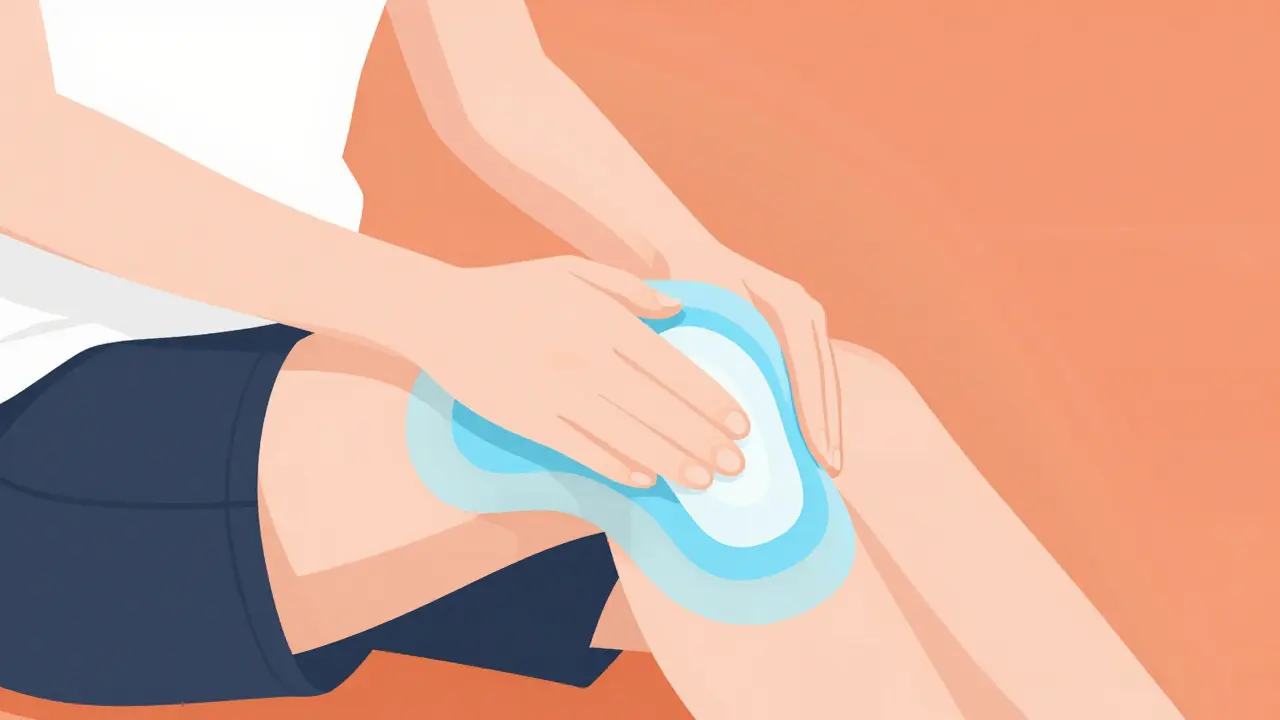
Topical analgesics are formulated as creams, gels, ointments, lotions, or patches designed to be applied directly to the skin over the area of pain. Unlike oral medications that travel through your entire digestive system and bloodstream, topicals target local tissues. According to Dr. Christopher Gilligan, a pain medicine physician at Harvard-affiliated Brigham and Women's Hospital, this localized delivery means "smaller amounts are absorbed by the body" compared to oral counterparts. This reduced systemic absorption is the primary reason doctors often recommend topicals for conditions like osteoarthritis or soft tissue injuries.
The mechanism varies by ingredient class. Some work by blocking pain signals, while others create a counter-irritant effect-essentially distracting your brain with a sensation of heat or cold so it stops focusing on the deeper ache. For example, menthol creates a cooling sensation, while capsaicin generates heat. Despite their convenience and widespread availability, they are not benign substances. The American Pharmacists Association (APhA) notes that even though side effects are often milder than oral options, they can still occur if misused.
The Hidden Danger of Menthol: Skin Burns
Menthol is one of the most common ingredients in OTC pain relief products, found in brands like Aspercreme Heat Pain Relieving Gel, which contains precisely 10% menthol. It provides that immediate, soothing coolness we associate with muscle relief. However, Health Canada conducted a major safety review of these products in 2013 and issued an updated assessment in February 2017 that revealed a startling fact: there is a definitive link between topical products containing menthol and the risk of rare but serious skin burns.
This was not a theoretical risk. The agency identified documented cases where consumers suffered significant skin damage. As a result, Health Canada mandated updated labeling standards for all OTC topical pain relievers containing menthol, either alone or in combination with other ingredients. These labels must now include specific warnings about burn risks. Interestingly, the same review found no documented cases of serious burns linked to products containing methyl salicylate or capsaicin alone. This distinction highlights that not all topical ingredients carry the same thermal risks, but menthol requires particular caution.
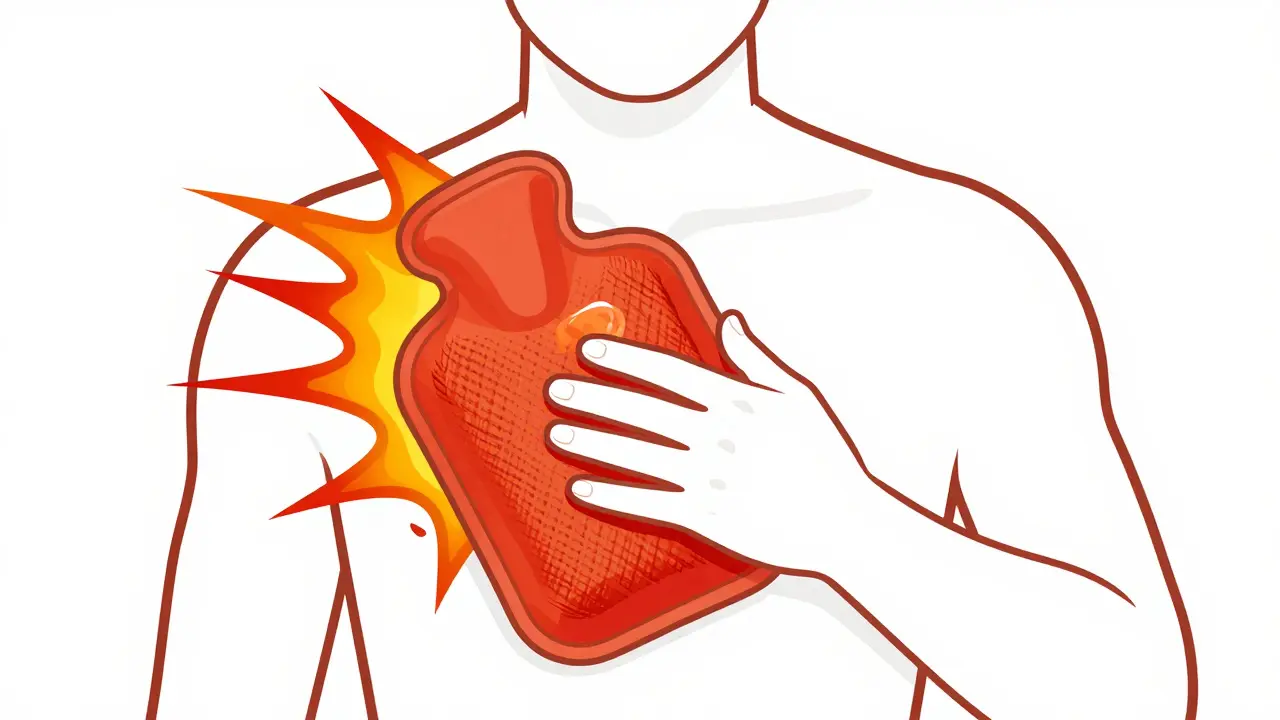
If you are using a menthol-based product, never apply it before using a heating pad, hot water bottle, or electric blanket. Combining the chemical cooling/heating effect of menthol with external heat sources can overwhelm the skin’s tolerance, leading to thermal injury. Always keep these products away from sensitive areas like the eyes, nose, and mouth.
Lidocaine Patches: The Illegal High-Strength Threat
Lidocaine is a local anesthetic commonly used to numb pain. In legitimate OTC products, federal law strictly limits the concentration to a maximum of 4%. However, a dangerous trend has emerged involving counterfeit or illegally marketed products containing dangerously high levels of lidocaine.
In July 2023, the U.S. Food and Drug Administration (FDA) issued a critical warning regarding certain topical analgesic products marketed for use around cosmetic procedures such as microdermabrasion, laser hair removal, tattooing, and piercing. Jill Furman, J.D., director of the Office of Compliance in the FDA's Center for Drug Evaluation and Research, stated these products "pose unacceptable risks to consumers and should not be on market." Laboratory analyses revealed some of these illegal products contained up to 20% lidocaine-five times the legal limit.
When absorbed through the skin, especially during procedures that compromise the skin barrier, excessive lidocaine can enter the bloodstream rapidly. This can lead to severe toxicity, including irregular heartbeat, seizures, and breathing difficulties. The FDA named six companies involved in marketing these illegal products, including Bella's Beauty Supply and DermaRoller Store. If you buy pain relief patches or numbing creams from online marketplaces or beauty supply stores rather than reputable pharmacies, check the label carefully. If the lidocaine percentage exceeds 4%, do not use it.
Capsaicin: Managing the Burn and Tolerance
Capsaicin, derived from chili peppers, works by depleting substance P, a neurotransmitter that sends pain signals to the brain. OTC formulations typically range from 0.025% to 0.1% concentration. While effective for nerve pain and arthritis, capsaicin has a steep learning curve. It causes a burning sensation upon application, which can be intense for new users.
Safety here revolves around prevention of accidental exposure. The APhA advises patients to wear gloves when applying capsaicin products or use a roll-on applicator. If you touch your eyes, nose, or mouth after applying capsaicin without washing your hands thoroughly, the results will be painful and potentially dangerous. Furthermore, capsaicin requires consistency. It may take up to 7 days to provide noticeable relief, and it must be used continuously, usually 3 to 4 times daily, to maintain effectiveness. Stopping and starting sporadically reduces its benefit and increases the likelihood of irritation.
Another factor to consider is tolerance. The Cleveland Clinic notes that over time, any analgesic can become less effective. If you find your capsaicin cream isn't working as well as it did months ago, consult a healthcare provider rather than increasing the dose or frequency on your own.
Salicylates and Blood Thinners: A Critical Interaction
Methyl salicylate is the active ingredient in wintergreen-based rubs like Bengay. It belongs to the salicylate family, chemically related to aspirin. Because it is absorbed through the skin, it can interact with other medications in your system. The APhA specifically warns that patients with sensitivity to salicylates or those taking blood thinners (anticoagulants) should exercise extreme caution with these products.
Using methyl salicylate while on blood thinners like warfarin can increase the risk of bleeding. Similarly, diclofenac gel, a topical nonsteroidal anti-inflammatory drug (NSAID), also carries interaction risks. Even though topical NSAIDs have lower systemic absorption than oral ibuprofen or naproxen, they still carry a small risk of gastrointestinal bleeding, kidney issues, and cardiovascular events, particularly with prolonged use or large application areas. If you have pre-existing kidney conditions or heart disease, discuss topical NSAID use with your doctor before starting treatment.
Safe Application Practices and Common Mistakes
To maximize safety and efficacy, follow these evidence-based guidelines:
- Never apply to broken skin: Applying any topical medication to cuts, wounds, or irritated skin increases systemic absorption significantly, raising the risk of toxicity and side effects.
- Avoid occlusion unless directed: Do not cover the treated area with tight bandages or plastic wrap unless the product instructions explicitly say to do so. Occlusion traps heat and chemicals, increasing absorption rates beyond safe levels.
- Wash hands immediately: After application, wash your hands thoroughly with soap and water to prevent transferring the active ingredient to your eyes or mucous membranes.
- Check expiration dates: Expired topical medications may degrade into compounds that irritate the skin or lose effectiveness.
- Limit duration: Use these products only as long as necessary. If pain persists beyond a few days, see a healthcare professional rather than continuing self-treatment indefinitely.
| Ingredient | Common Form | Key Risk/Side Effect | Safety Note |
|---|---|---|---|
| Menthol | Gels, Creams | Rare serious skin burns | Do not combine with external heat sources |
| Lidocaine | Patches, Creams | Toxicity (seizures, heart issues) if >4% | Only use FDA-approved OTC products; avoid illegal high-strength versions |
| Capsaicin | Creams, Patches | Burning sensation, eye irritation | Wear gloves during application; wash hands thoroughly |
| Methyl Salicylate | Rubs, Liniments | Bleeding risk with blood thinners | Avoid if allergic to aspirin or on anticoagulants |
| Diclofenac | Gels | Kidney/GI risks (low but present) | Use cautiously with existing heart/kidney conditions |
When to See a Doctor Instead of Self-Treating
Topical pain relievers are excellent for minor, localized musculoskeletal pain. They are not suitable for deep internal pain, widespread inflammation, or unexplained symptoms. Dr. Laurie Danielson, Pharm.D., R.Ph. at Mayo Clinic, emphasizes that "most people assume over-the-counter (OTC) medications are safe and then overlook discussing their use with their care team." This assumption can delay diagnosis of underlying conditions.
Seek medical attention if:
- Your pain does not improve after 7 days of consistent topical treatment.
- You experience signs of an allergic reaction, such as rash, itching, swelling, or difficulty breathing.
- You notice skin discoloration, blistering, or open sores at the application site.
- You are pregnant, breastfeeding, or treating a child, as safety profiles vary for these groups.
Are topical pain relievers safer than oral painkillers?
Generally, yes. Topical formulations deliver smaller doses to the bloodstream, reducing risks like stomach bleeding or kidney damage associated with oral NSAIDs. However, they are not risk-free and can cause local skin reactions or systemic toxicity if misused.
Can I use multiple topical pain creams at the same time?
No, you should not layer different topical medications unless directed by a doctor. Combining products can increase the total amount of active ingredients absorbed, leading to overdose symptoms or severe skin irritation. Stick to one product per area.
Why did Health Canada warn about menthol?
Health Canada identified a link between menthol-containing products and rare but serious skin burns. Their 2017 review mandated stronger labeling to warn consumers about this risk, particularly when menthol is combined with external heat sources.
Is it safe to use lidocaine patches for tattoos?
Only if the product contains 4% lidocaine or less and is approved for OTC use. The FDA has warned against illegal high-concentration lidocaine products (up to 20%) marketed for cosmetic procedures, as they can cause seizures and heart problems. Always buy from reputable pharmacies.
How long does capsaicin take to work?
Capsaicin may take up to 7 days of continuous use (3-4 times daily) to provide noticeable pain relief. It works by depleting substance P, a process that takes time. Consistency is key, and wearing gloves during application prevents accidental eye irritation.