Prednisone Mood Swings: Why They Happen and How to Cope
 Jul, 10 2026
Prednisone Mood Impact & Coping Assistant
Assess Your Risk Profile
Your Assessment
Risk Level
Enter your details to see results.
Recommended Strategies:
Pro Tip:
Take your medication early in the morning with breakfast to align with your natural cortisol cycle.
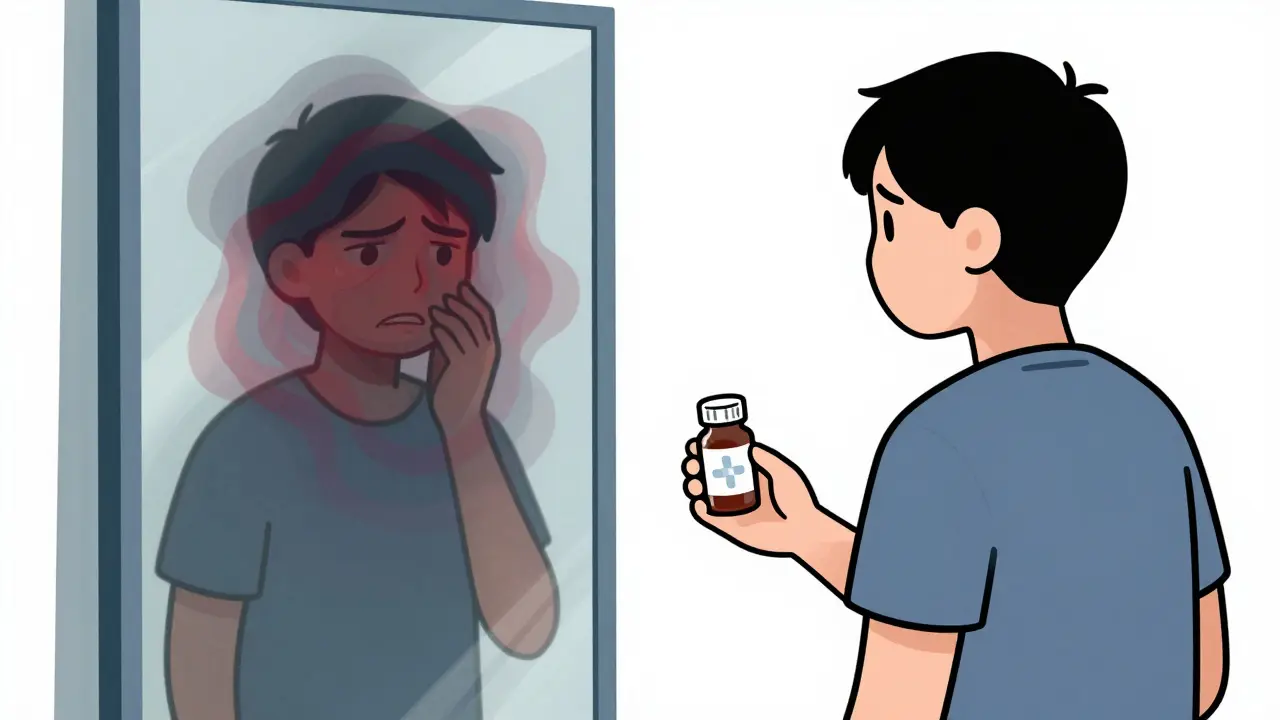
Have you ever felt like a stranger in your own body? One minute you’re fine, and the next, you’re furious over something trivial or paralyzed by anxiety. If you are taking Prednisone, a synthetic corticosteroid used to reduce inflammation and suppress the immune system, this isn’t just "in your head." It is a documented, biological reality for millions of patients.
Prednisone is one of the most prescribed medications in the world, with approximately 17.5 million prescriptions written annually in the United States alone. It treats everything from rheumatoid arthritis to severe allergic reactions. But while it saves lives and manages chronic pain, it comes with a heavy psychological price tag. Between 18% and 47% of patients experience psychiatric side effects, with mood disturbances being the most common complaint. Understanding why this happens and how to manage it can make the difference between enduring treatment and suffering through it.
Why Prednisone Changes Your Brain Chemistry
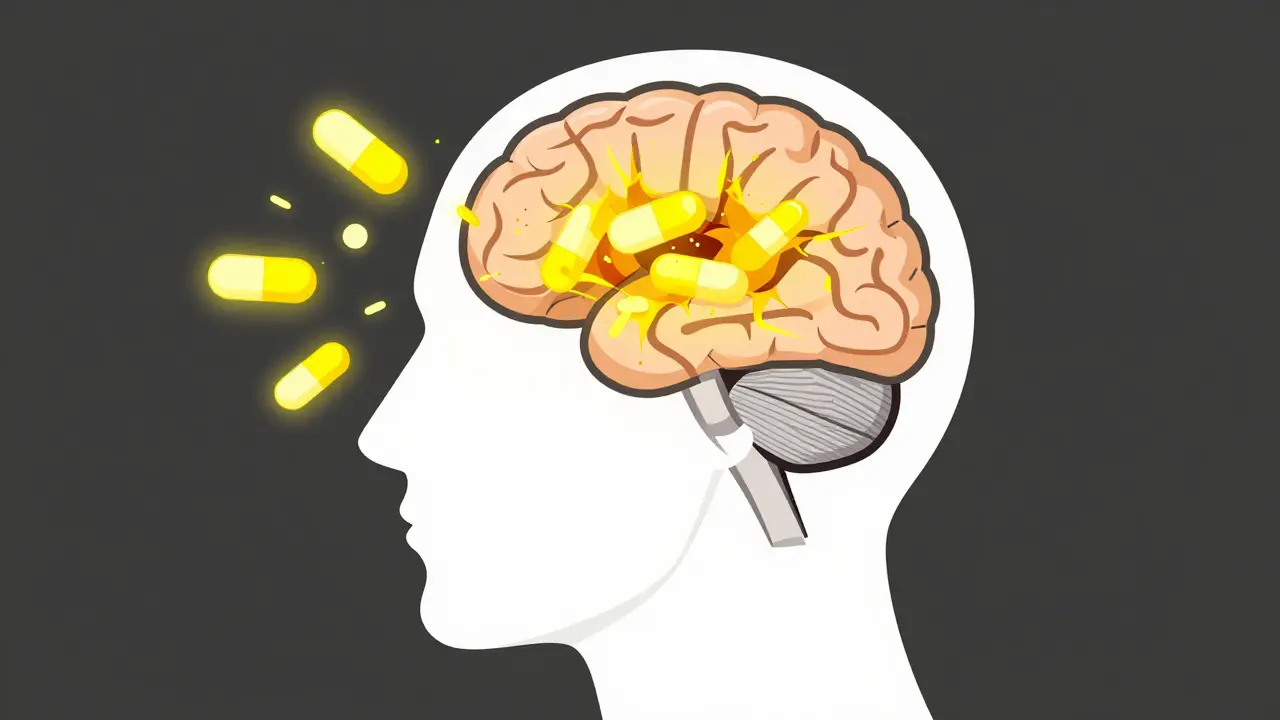
To understand the mood swings, you have to look at what prednisone actually does inside you. It is not just an anti-inflammatory; it is a powerful mimic of cortisol, your body’s natural stress hormone. When you take prednisone, you are essentially flooding your system with artificial stress signals.
This medication crosses the blood-brain barrier within 30 to 60 minutes of ingestion. Once there, it disrupts the delicate balance of neurotransmitters like serotonin and dopamine in the limbic system-the part of your brain that regulates emotion. A study published in the Journal of Clinical Psychiatry confirmed that these changes directly impact how you process feelings. The result? Emotional volatility that feels out of character.
The severity often depends on the dose. Research indicates that doses exceeding 20mg daily significantly increase the risk of psychiatric side effects. At 40mg, the incidence of mood disturbance is 3.2 times higher than at 10mg. This is why short bursts of high-dose steroids often feel more chaotic than long-term low-dose maintenance.
| Symptom | Description | Frequency |
|---|---|---|
| Irritability | Feeling easily annoyed or angry over minor issues | Very Common (>10%) |
| Anxiety | Persistent worry, panic attacks, or restlessness | Common (up to 47% in some studies) |
| Insomnia | Inability to fall or stay asleep due to heightened alertness | Very Common |
| Euphoria | Unusual sense of well-being or confidence (can lead to risky behavior) | Less Common |
| Depression | Low mood, loss of interest, or suicidal thoughts | Moderate Risk |
Recognizing the Early Warning Signs
You might think you are just having a bad week, but if you started prednisone recently, pay attention. Symptoms typically emerge within 5 to 7 days of starting treatment. The NHS notes that these psychological effects can happen "straight away," unlike physical changes like facial rounding which take weeks.
Watch for these specific red flags:
- Sudden Anger: You snap at loved ones over things that wouldn’t normally bother you.
- Racing Thoughts: Your mind won’t shut off, making sleep impossible.
- Emotional Lability: You swing from laughing to crying in minutes.
- Panic Attacks: Sudden shortness of breath or heart palpitations without a clear trigger.
If you have a history of depression, bipolar disorder, or other psychiatric conditions, your risk is even higher. The FDA warns that patients with pre-existing mental health issues face a 4.7-fold higher risk of severe mood disturbances. This doesn’t mean you can’t take the drug, but it means you need a tighter monitoring plan.
Practical Coping Strategies That Work
You cannot always change the medication, especially if it’s keeping a serious condition under control. But you can change how you respond to its effects. Here are evidence-based strategies to regain some stability.
1. Master Your Sleep Schedule
Prednisone disrupts your circadian rhythm because it mimics the morning surge of cortisol. If you take your dose in the evening, you will likely lie awake staring at the ceiling. Take your medication early in the morning, ideally with breakfast. This aligns the drug’s peak activity with your body’s natural wake cycle. Consistent sleep hygiene-dark room, cool temperature, no screens before bed-is non-negotiable during treatment.
2. Use Physical Movement to Burn Off Stress
That jittery energy needs an outlet. Moderate exercise has been shown to reduce cortisol levels by 27%. You don’t need to run a marathon. A 30-minute brisk walk, yoga session, or light swim can help metabolize the excess adrenaline coursing through your system. Just listen to your body; if you’re too inflamed to move, try gentle stretching instead.
3. Keep a Mood Journal
It sounds simple, but writing down your emotions helps detach you from them. Note the time of day, your dose, and what triggered the feeling. Over time, you’ll see patterns. Maybe you’re always irritable two hours after dosing. Knowing this allows you to schedule important conversations or work tasks for when your medication levels are lowest.
4. Communicate Openly With Loved Ones
Tell your family and friends: "I am on a medication that affects my mood. If I seem angry or distant, it is the drug, not me." This removes the personal sting from your outbursts and builds a support network rather than creating conflict. MyCrohnsAndColitisTeam members report that open communication reduces relationship strain significantly.
5. Practice Mindfulness and Grounding
When anxiety spikes, try the 5-4-3-2-1 grounding technique: Identify five things you see, four you can touch, three you hear, two you smell, and one you taste. This pulls your brain out of the limbic system’s panic loop and back into the present moment. Even 15 minutes of mindfulness meditation twice daily can lower symptom severity.

When to Seek Professional Help
Coping strategies are powerful, but they have limits. You should contact your doctor immediately if you experience:
- Suicidal thoughts or self-harm urges
- Severe confusion or delirium
- Panic attacks that interfere with daily functioning
- Manic behavior (risky decisions, excessive spending, lack of sleep for days)
Do not stop taking prednisone abruptly. Suddenly stopping can cause adrenal crisis, a life-threatening condition. Instead, talk to your prescriber. They may adjust your dose, switch you to a different steroid with fewer CNS effects, or add a temporary medication to stabilize your mood. Recent research suggests that low-dose SSRIs can reduce mood swing incidence by 58% in patients needing prolonged therapy, though this is an off-label use.
Support Systems and Next Steps
You are not alone in this. Join online communities like r/prednisone or patient forums where others share their experiences. Reading about someone else’s journey validates your own. Additionally, ask your doctor for a referral to a therapist familiar with medical trauma or medication-induced mood disorders. Cognitive Behavioral Therapy (CBT) techniques can provide tools to reframe negative thought patterns exacerbated by the drug.
Remember, these mood swings are temporary. They are a side effect, not a personality flaw. By understanding the biology behind them and implementing practical coping mechanisms, you can navigate this treatment phase with greater resilience and less distress.
How long do prednisone mood swings last?
Mood swings typically begin within 5-7 days of starting treatment and persist as long as you are on the medication. After discontinuing prednisone, neurological impacts can continue for 5-14 days as your body readjusts its natural cortisol production. Most patients find their baseline mood returns within two weeks of finishing the course.
Can prednisone cause permanent mental health issues?
In rare cases, particularly with high doses or prolonged use, prednisone can trigger latent psychiatric conditions like bipolar disorder or major depression that require ongoing treatment. However, for most patients, the mood changes are reversible once the medication is tapered off. If you have a history of mental illness, close monitoring is essential to prevent long-term complications.
What is the best time of day to take prednisone to minimize side effects?
Take prednisone early in the morning, preferably with breakfast. This timing aligns the drug’s peak activity with your body’s natural cortisol surge, reducing the risk of insomnia and minimizing disruption to your circadian rhythm. Taking it later in the day can lead to significant sleep disturbances, which worsen mood swings.
Should I tell my doctor if I feel anxious on prednisone?
Yes, absolutely. Mood changes are a very common side effect, occurring in more than 10% of patients. Your doctor needs to know so they can monitor your dosage, consider alternative treatments, or prescribe supportive medications. Never suffer in silence; effective management requires open communication with your healthcare provider.
Are there alternatives to prednisone with fewer mood side effects?
Some corticosteroids, such as dexamethasone, have different pharmacokinetic profiles, but all systemic steroids carry a risk of mood changes. Non-steroidal anti-inflammatory drugs (NSAIDs) or biologic agents may be alternatives for certain conditions, depending on your specific diagnosis. Discuss these options with your specialist to see if a different class of medication is appropriate for your case.