Sick Day Rules for Diabetes: Insulin, Hydration, and Ketone Checks
 Jun, 8 2026
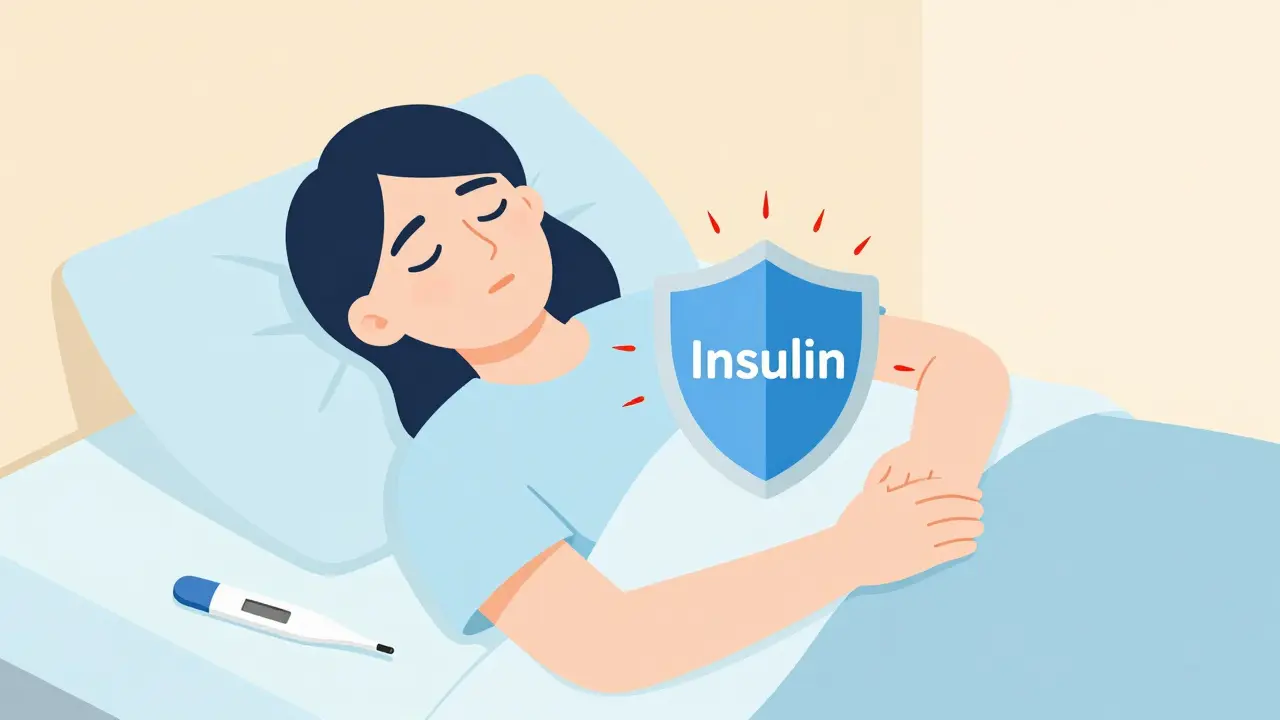
Getting sick is never fun. But if you have diabetes, a simple cold or stomach bug can quickly turn into a medical emergency. Your body reacts to illness by releasing stress hormones like cortisol and adrenaline. These hormones make your cells resist insulin, causing your blood sugar to spike even if you aren’t eating. This is the core problem that sick day rules for diabetes are designed to solve.
Ignoring these changes can lead to diabetic ketoacidosis (DKA), a life-threatening condition where your blood becomes acidic due to a buildup of ketones. DKA accounts for nearly 27% of diabetes-related hospitalizations. The good news? With a clear plan, you can manage most illnesses at home safely. Here is exactly what you need to know about insulin, fluids, and monitoring when you feel under the weather.
The Golden Rule: Never Stop Insulin
The biggest mistake people make when they are sick is stopping their medication because they aren’t eating. If you have Type 1 diabetes, this is dangerous. You always need basal insulin-the background insulin that keeps your liver from dumping glucose into your bloodstream. Even if you haven’t eaten in hours, your body is still producing sugar.
Basal Insulin is the long-acting insulin that maintains stable blood glucose levels between meals and overnight. Examples include Lantus, Levemir, and Basaglar.According to guidelines from the American Diabetes Association (ADA) and the International Diabetes Federation (IDF), you should never skip your long-acting insulin doses. In fact, during illness, your body often needs *more* insulin, not less. Stress hormones increase insulin resistance by 30-50%. If you take multiple daily injections (MDI), do not reduce your basal dose below 80% of your usual amount. If you use an insulin pump, you may need to increase your basal rate temporarily.
For Type 2 diabetes patients who usually manage with oral medications, illness might require temporary insulin. If your blood sugar stays high despite your regular meds, your doctor may prescribe short-term insulin to help your body cope with the stress of the infection.
Hydration: The Key to Flushing Out Ketones
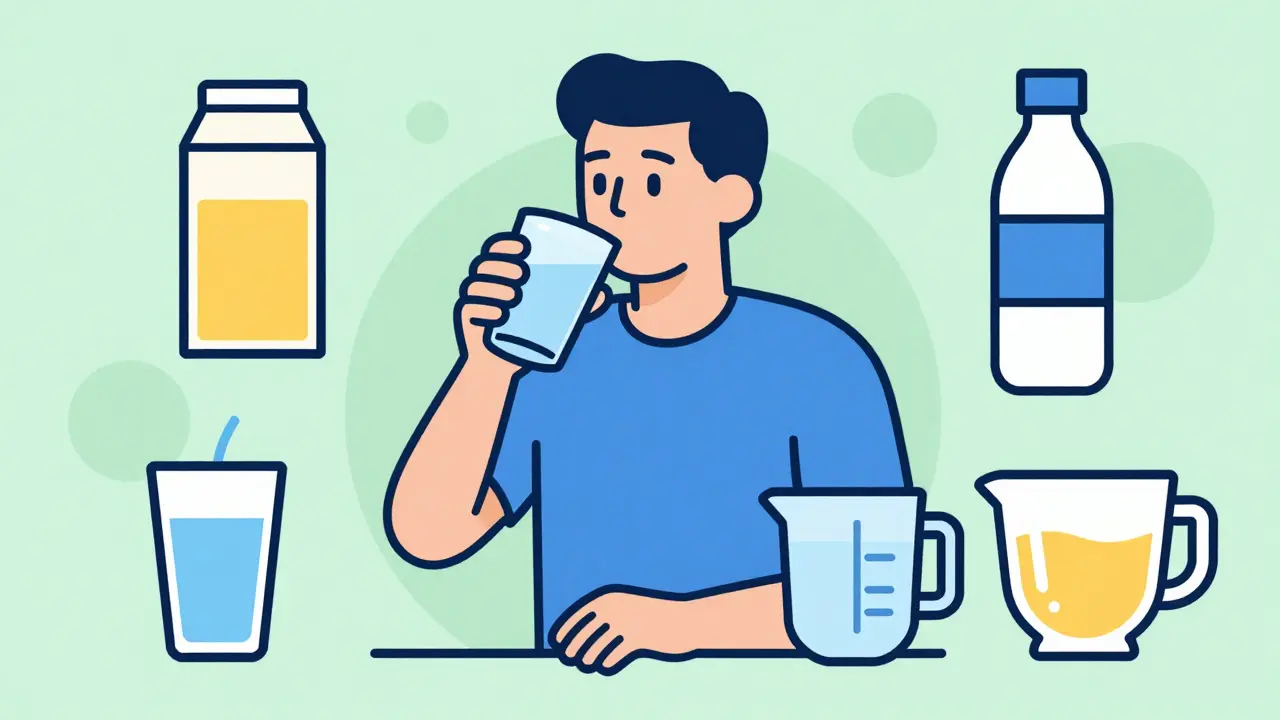
When your blood sugar rises, your kidneys try to flush out the excess glucose through urine. This process pulls water from your tissues, leading to dehydration. Dehydration concentrates ketones in your blood, accelerating the risk of DKA. Staying hydrated helps your kidneys work efficiently and dilutes ketone levels.
How much fluid do you need? It depends on age and severity.
- Adults: Aim for 6-8 ounces of fluid every hour. Use a marked cup to track intake.
- Children: A common rule of thumb is "age in ounces" per hour. For example, a 10-year-old should drink 10 ounces every hour.
But what should you drink? It depends on your current blood glucose level. You need to balance hydration with carbohydrate intake to prevent lows while managing highs.
| Blood Glucose Range | Recommended Fluid | Carbohydrate Content |
|---|---|---|
| Below 100 mg/dL | Sugary drinks (juice, soda) | High (~15g per 4 oz) |
| 100-180 mg/dL | Alternating sugary and sugar-free | Moderate (~7.5g per 4 oz average) |
| Above 180 mg/dL | Sugar-free fluids (water, broth, diet soda) | Zero carbs |
If you are vomiting, sip small amounts frequently-like one tablespoon every 5-10 minutes. Large gulps can trigger more vomiting. If you cannot keep any liquids down for more than 4 hours, seek emergency care immediately for IV fluids.
Ketone Monitoring: When and How to Test
Ketones are acids produced when your body burns fat for energy instead of glucose. This happens when there isn’t enough insulin to move glucose into cells. While small amounts of ketones are normal, high levels indicate DKA.
You should check for ketones if:
- Your blood glucose is above 240 mg/dL (13.3 mmol/L).
- You have symptoms of DKA: nausea, vomiting, abdominal pain, fruity-smelling breath, or rapid breathing.
- You are unable to eat due to illness.
Blood ketone tests are preferred over urine strips. Urine tests show ketones from several hours ago, which can be misleading if your condition is changing rapidly. Blood meters give you real-time data.
Here is how to interpret blood ketone results:
- Normal: Less than 0.6 mmol/L. Continue your regular sick day routine.
- Elevated: 0.6-1.5 mmol/L. Increase hydration, recheck in 2 hours, and consider a correction dose of insulin.
- High: Above 1.5 mmol/L. Contact your healthcare provider immediately. If you use an insulin pump, change your infusion site and set a temporary basal rate increase of +20% for 12 hours.
- Critical: Above 3.0 mmol/L. Go to the emergency room. This indicates severe DKA.
Monitoring Blood Sugar During Illness
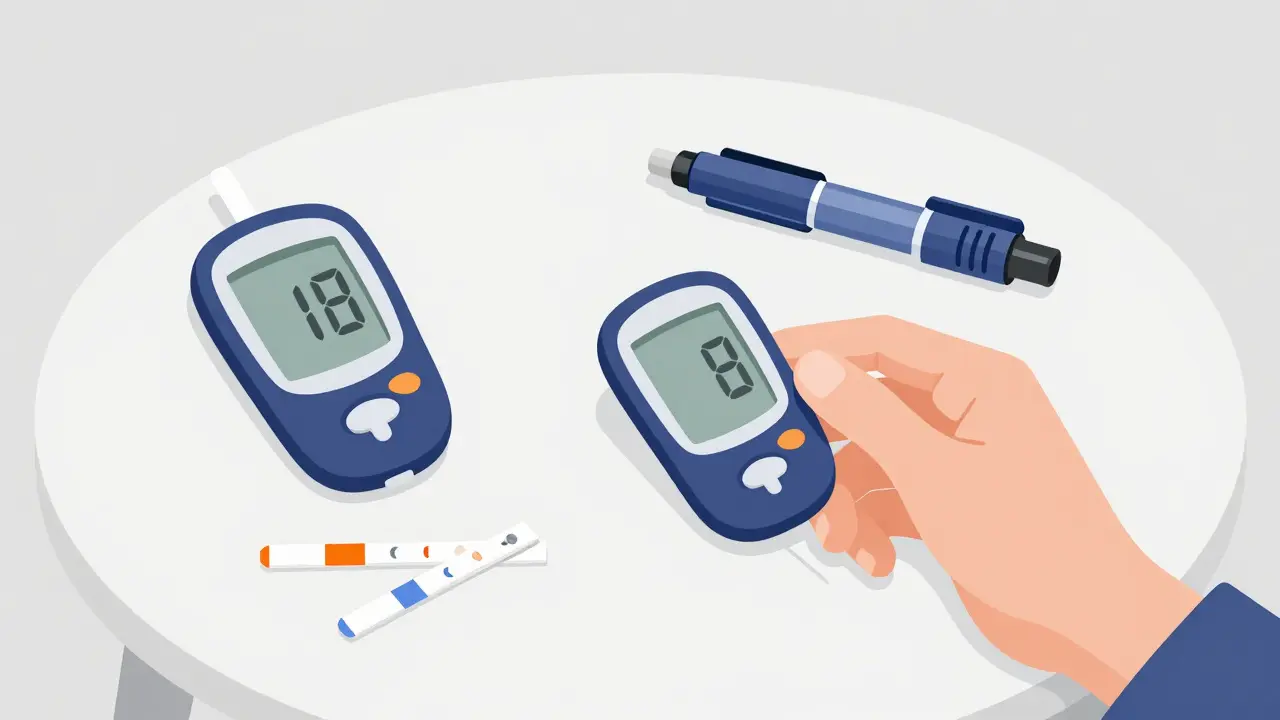
Illness makes blood sugar unpredictable. You need to monitor more frequently than usual to catch trends early.
- Adults: Check every 3-4 hours, including overnight.
- Children: Check every 2-3 hours, including overnight.
If you use a Continuous Glucose Monitor (CGM), pay close attention to trends. The ADA’s 2023 guidelines suggest urgent intervention if more than 50% of your readings exceed 250 mg/dL over a 12-hour period. CGMs can lag behind actual blood sugar levels during rapid changes, so confirm critical readings with a fingerstick test before making major insulin adjustments.
Target ranges during illness are slightly higher than usual to avoid hypoglycemia, which can be dangerous when you’re already weak. Aim for 110-180 mg/dL (6-10 mmol/L) for most adults. Tighter control is not necessary and may increase the risk of lows.
Managing Medications and Food Intake
Some over-the-counter medications contain hidden sugars or alcohol that can affect blood glucose. Always check labels. Sugar-free cough syrups and lozenges are safer choices. Avoid decongestants containing pseudoephedrine, as they can raise blood pressure and heart rate, adding stress to your body.
If you can’t eat solid food, focus on easy-to-digest carbohydrates. Broth, gelatin, ice pops, and crackers are good options. If your blood sugar is low (<100 mg/dL), consume 15 grams of fast-acting carbs every 15 minutes until it rises above 70 mg/dL. If it’s high (>240 mg/dL), stick to sugar-free fluids and take correction insulin as prescribed.
Keep a sick-day kit ready in advance. It should include:
- Unexpired ketone test strips (blood or urine)
- A 7-day supply of all diabetes medications
- An 8-ounce measuring cup
- Glucometer and extra test strips
- Contact numbers for your healthcare team
When to Seek Emergency Care
Most illnesses can be managed at home, but some signs require immediate professional help. Go to the ER if:
- You vomit continuously and cannot keep fluids down for 4+ hours.
- Your blood ketones are above 1.5 mmol/L and do not decrease after 2 hours of treatment.
- You experience confusion, extreme drowsiness, or difficulty breathing.
- Your blood glucose remains above 300 mg/dL despite insulin corrections.
- You lose more than 5 pounds unexpectedly during illness, indicating severe dehydration and hyperglycemia.
Don’t wait. DKA can progress rapidly. Early intervention prevents complications and reduces hospital stay duration.
Special Considerations for Pump Users
Insulin pumps offer flexibility but require specific actions during sickness. If ketones are moderate or large, set a temporary basal rate increase of +20% for 12 hours. Continue taking correction doses as needed. Change your infusion site to ensure insulin absorption, as inflammation from illness can impair delivery.
If you use a closed-loop system (automated insulin delivery), be aware that algorithms may suspend insulin during perceived lows, even if your blood sugar is rising due to stress hormones. Override automation manually if necessary, following your clinician’s advice.
Can I stop taking my diabetes medication when I’m sick?
No. Never stop basal insulin, even if you aren’t eating. Your body still needs insulin to regulate blood sugar. Oral medications for Type 2 diabetes may need adjustment, but consult your doctor before stopping them.
What should I drink if my blood sugar is high?
If your blood sugar is above 180 mg/dL, drink sugar-free fluids like water, unsweetened tea, or broth. Avoid sugary drinks until your levels drop.
How often should I check for ketones?
Check for ketones if your blood glucose is above 240 mg/dL, you have symptoms of DKA, or you cannot eat. Recheck every 2-4 hours until ketones disappear.
Is urine testing for ketones reliable?
Urine tests are less accurate than blood tests because they reflect past ketone levels. Blood ketone meters provide real-time data and are recommended for better decision-making.
When should I go to the hospital?
Seek emergency care if you cannot keep fluids down for 4+ hours, have high ketones (>1.5 mmol/L) that don’t improve, experience confusion or difficulty breathing, or have persistent blood sugar above 300 mg/dL.