Allergy Action Plan: Medications to Carry and When to Use Them
 Jan, 8 2026
Epinephrine Dosage Calculator
Determine Your Correct Epinephrine Dose
This calculator helps you determine the correct epinephrine dose based on weight. Epinephrine is the only medication that can reverse a severe allergic reaction. Using the right dose is critical for saving lives.
Your Correct Dose:
Important Safety Information:
Always carry two epinephrine auto-injectors. If symptoms return, you may need a second dose 10 minutes after the first.
What an Allergy Action Plan Really Does
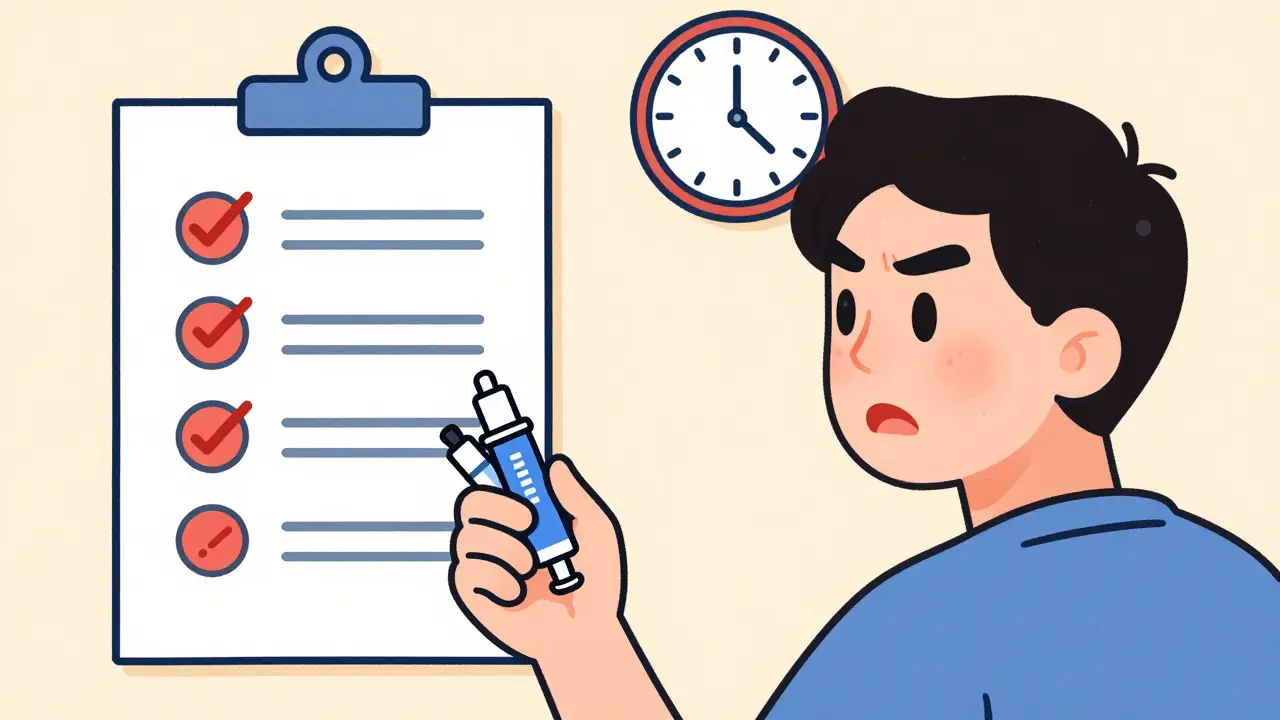
An allergy action plan isn’t just a piece of paper. It’s your lifeline during a sudden, life-threatening reaction. Think of it as a clear, step-by-step guide written by your doctor that tells you - and anyone helping you - exactly what to do when allergies turn dangerous. This isn’t about mild sneezing or a few hives. This is about knowing when your body is shutting down and how to stop it before it’s too late.
Studies show that people who carry a written plan are 68% more likely to use epinephrine correctly when it matters. Without one, reactions often go untreated or are treated with the wrong medicine. And that can be deadly. In fact, 78% of fatal anaphylaxis cases happened because epinephrine wasn’t given in time.
The One Medication You Must Always Have
Epinephrine is the only medication that can reverse a severe allergic reaction. Nothing else comes close. Antihistamines? They help with itching or a runny nose. But they won’t open a swollen airway or raise a dropping blood pressure. Only epinephrine does that.
It comes in auto-injectors - small, pen-like devices you press into your outer thigh. The dose depends on your weight:
- 0.10 mg for children 7.5-13 kg (16.5-28.7 lbs)
- 0.15 mg for 13-25 kg (28.7-55.1 lbs)
- 0.30 mg for anyone over 25 kg (55.1+ lbs)
You need to carry two. Why? Because 20% of severe reactions come back hours later - a biphasic reaction. One dose might not be enough. And if you’re unsure whether it’s working, you can give a second dose 10 minutes after the first. No waiting. No second-guessing.
When to Use Epinephrine - No Excuses
You don’t need to wait for all the symptoms. If you know you’ve been exposed to your allergen - peanut, bee sting, shellfish - and you have any of these signs, use epinephrine immediately:
- Hives or swelling (especially lips, tongue, throat)
- Wheezing, coughing, trouble breathing
- Feeling dizzy, faint, or confused
- Stomach pain, vomiting, diarrhea
- For babies: sudden fussiness, lethargy, or persistent cough
The American Academy of Pediatrics says: give epinephrine at the first sign of a serious reaction. Don’t wait for breathing to get worse. Don’t wait to see if antihistamines help. If you have asthma or a history of severe reactions, you’re at even higher risk - act faster.
There’s a myth that antihistamines can stop anaphylaxis from getting worse. They can’t. In school settings, people who gave Benadryl first waited an average of 22 minutes longer to use epinephrine. That delay cost lives.

Other Medications - What to Carry and When
Epinephrine is your main weapon. But you can also carry these as backups - only after epinephrine is given:
- Diphenhydramine (Benadryl): 1 mg per kg of body weight, max 50 mg. Use only for mild reactions like isolated hives or itching. Never use it instead of epinephrine.
- Albuterol inhaler: If you wheeze or have asthma, use this after epinephrine to help open airways. It doesn’t treat the allergic reaction - just the breathing trouble it causes.
- Nasal epinephrine (Neffy): A newer option approved in 2023. It’s a spray you put in your nose. It works fast and is easier for people afraid of needles. But it’s not yet widely available everywhere. Check with your doctor if it’s right for you.
Important: never give antihistamines before epinephrine. Never give them alone for a suspected anaphylaxis reaction. That’s not just wrong - it’s dangerous.
What to Do After You Use Epinephrine
Using epinephrine is not the end. It’s the beginning of emergency care. After you inject it:
- Call emergency services immediately (111 in New Zealand).
- Lie down with your legs raised if you feel dizzy. Don’t stand or walk.
- Stay put. Even if you feel better, you need to be monitored for at least 4 to 6 hours.
- Bring your used injector with you to the hospital. They need to see what was given.
Why so long? About 1 in 5 people have a second wave of symptoms hours later. That’s why hospitals require observation. Skipping this step is a common mistake - and it’s deadly.
Common Mistakes and How to Avoid Them
Even with a plan, people mess up. Here’s what goes wrong - and how to fix it:
- Expired injectors: 32% of households have expired epinephrine. Check the expiration date every month. Set a phone reminder. Replace it before it expires - don’t wait.
- Not carrying two: One is never enough. Keep one at home, one in your bag, one at school or work. Triple redundancy is smart.
- Confusion over doses: If you’re unsure whether you gave the right dose, give another. Better to give two than none.
- Not training others: Teachers, babysitters, coworkers - they need to know where your injector is and how to use it. Practice with them. Show them the device. Let them press the trainer (the dummy version).
Parents of kids with allergies say the hardest part isn’t the medicine - it’s getting schools to take the plan seriously. Only 38% of teachers can recognize anaphylaxis without a visual guide. That’s why your plan should include photos of your child’s reaction symptoms. FARE’s updated plan includes this. Ask your doctor for a version with pictures.

Digital Plans Are Here - And They Work
More people are switching from paper to digital. FARE launched a free app in March 2024 that stores your action plan, reminds you when your injector expires, and lets you share it instantly with schools or caregivers. Over 142,000 people use it. You can even add emergency contacts so 111 gets called automatically if you’re unable to.
But don’t ditch the paper copy. Always carry a printed version. Phones die. Networks fail. Paper doesn’t.
Your Plan Must Be Official
Never write your own allergy action plan. It must be signed and dated by your doctor or allergist. That’s not bureaucracy - it’s safety. The plan needs to match your exact allergies, weight, and medical history. A generic template won’t do.
Ask your doctor for the latest version from the Asthma and Allergy Foundation of America (AAFA) or the American Academy of Pediatrics (AAP). These are updated yearly. If your plan is older than 2023, it’s outdated. Get a new one.
Final Reminder: Speed Saves Lives
Epinephrine given within 5 minutes of symptom onset reduces death risk by 94%. Every second counts. If you’re ever unsure - use it. If you’re ever afraid - use it. If you’re ever waiting for someone else to decide - use it yourself.
Your body won’t wait for permission. Your plan is your power. Carry it. Know it. Use it. And never, ever let fear stop you from acting.
RAJAT KD
January 10, 2026 AT 04:03Matthew Maxwell
January 10, 2026 AT 21:05Johanna Baxter
January 10, 2026 AT 23:32Phil Kemling
January 12, 2026 AT 16:49Diana Stoyanova
January 14, 2026 AT 16:16Jenci Spradlin
January 15, 2026 AT 02:30Heather Wilson
January 16, 2026 AT 18:35Meghan Hammack
January 16, 2026 AT 20:43Lindsey Wellmann
January 17, 2026 AT 09:11