Alzheimer’s Disease: Memory Decline, Staging, and Caregiver Support
 May, 21 2026
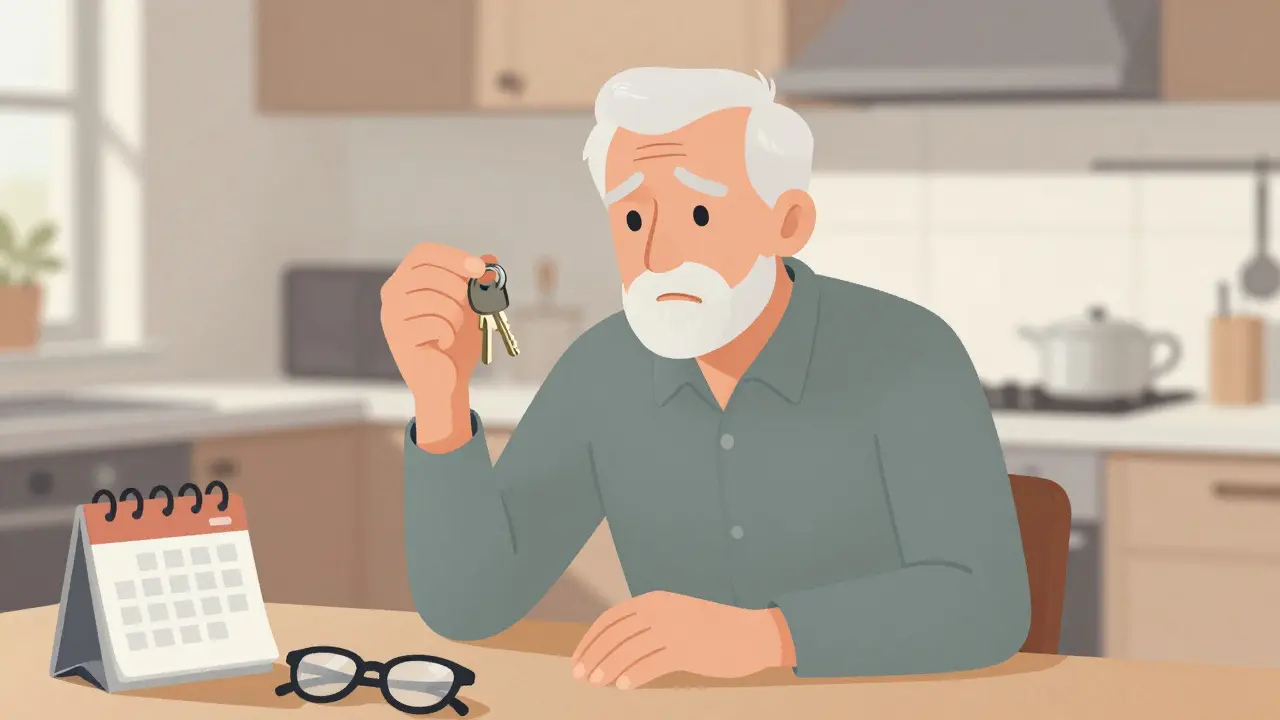
Imagine forgetting a conversation you had five minutes ago. Now imagine forgetting your spouse’s name, or how to use the phone. For millions of families, this isn’t a hypothetical scenario-it is daily life. Alzheimer’s disease is a progressive neurodegenerative disorder that destroys memory and thinking skills, eventually preventing the ability to carry out simple tasks. It accounts for 60-80% of all dementia cases globally. As of 2024, an estimated 6.9 million Americans aged 65 and older are living with it, a number projected to nearly double by 2060.
This article breaks down exactly what happens in the brain, how the disease progresses through distinct stages, and most importantly, how caregivers can manage the physical and emotional toll. We will look at the science without the jargon, focusing on practical steps you can take today.
Understanding the Brain Changes Behind Memory Loss
To understand why memory fades, we have to look inside the brain. Alzheimer’s is not just "getting old." It is a biological process driven by two specific abnormalities: amyloid plaques and tau tangles. Think of amyloid-beta as sticky debris that builds up between nerve cells, blocking communication. Tau proteins normally stabilize the internal transport system of neurons, but in Alzheimer’s, they twist into tangles that cut off nutrient supply, causing cell death.
This damage starts in the hippocampus and entorhinal cortex-the parts of the brain responsible for forming new memories. This is why recent events vanish first. You might remember your childhood home clearly, but forget what you had for breakfast. Over time, the disease spreads to other areas, affecting language, reasoning, and eventually basic bodily functions like swallowing and walking.
While there is no cure yet, treatments exist to manage symptoms. Cholinesterase inhibitors like donepezil help boost chemical messengers involved in memory and judgment. Memantine regulates glutamate, another messenger involved in learning. More recently, disease-modifying therapies like lecanemab (Leqembi) were approved to target amyloid plaques directly, showing a modest slowing of decline in clinical trials. These options require medical supervision but offer hope for extending quality of life.
The Three Clinical Stages of Alzheimer’s Disease
Doctors often group Alzheimer’s into three broad stages: early, middle, and late. While every person’s journey is unique, these stages help families prepare for what lies ahead. The NHS and Mayo Clinic frameworks provide clear markers for each phase.
| Stage | Key Symptoms | Memory Impact | Care Needs |
|---|---|---|---|
| Early Stage | Mild confusion, misplacing items, trouble finding words | Forgets recent conversations or names; long-term memory intact | Minimal assistance; emotional support; reminders for appointments |
| Middle Stage | Disorientation, mood swings, repetitive questions, wandering | Loses personal history details; confuses day/night; gets lost easily | Help with dressing/bathing; safety monitoring; routine management |
| Late Stage | Loss of speech, inability to walk, incontinence, bedbound | Severe short and long-term memory loss; may not recognize family | 24/7 care; feeding assistance; pain management; comfort focus |
Early Stage: The Subtle Shifts
In the beginning, changes are easy to dismiss as normal aging. A person might repeat a question within the same hour or put keys in the refrigerator. They can still drive, work, and socialize, but they may feel anxious about their slipping grip on reality. This is the critical window for diagnosis. Early detection allows for better planning and access to treatments that might slow progression. Family members often notice these lapses first, especially during complex tasks like balancing a checkbook or following a recipe.
Middle Stage: The Most Demanding Phase
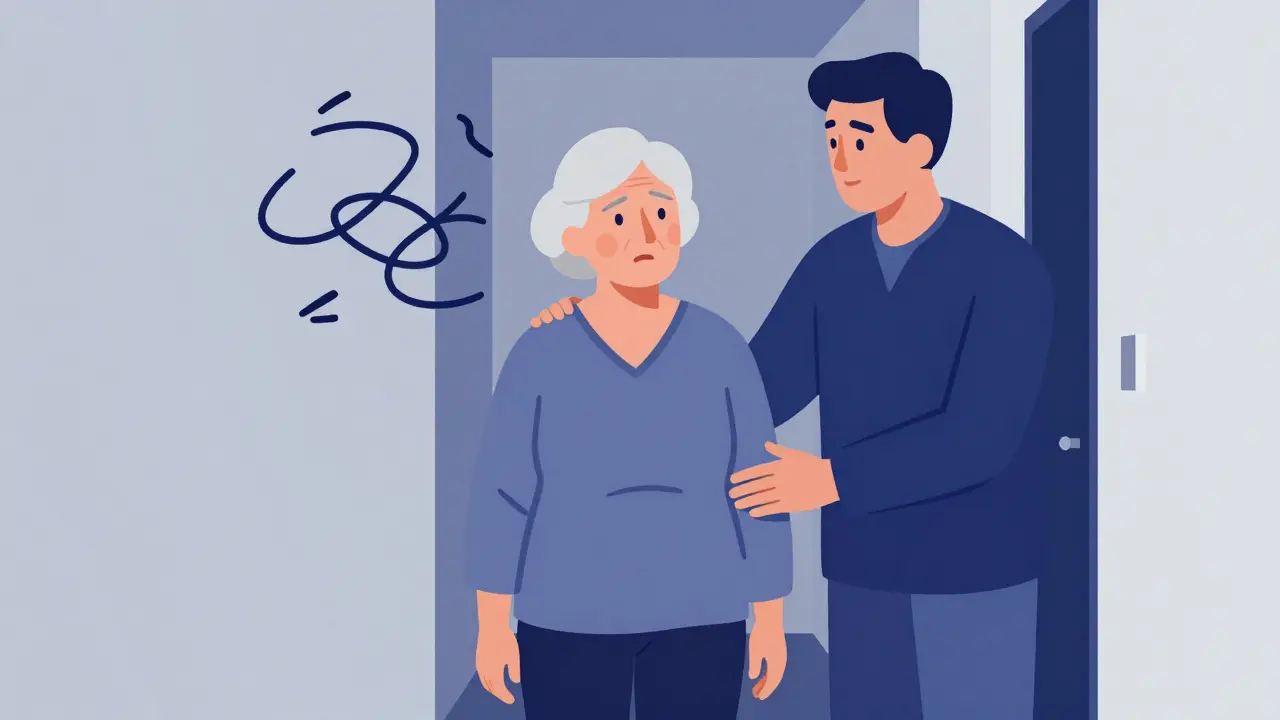
This stage is typically the longest, lasting several years, and often the hardest for caregivers. The person may lose track of where they are or what year it is. Personality changes emerge-aggression, suspicion, or compulsive behaviors like hand-wringing. They might accuse others of stealing items they hid themselves. Sleep patterns disrupt, leading to nighttime wandering. At this point, independent living becomes unsafe. Assistance with hygiene, clothing choices, and meal preparation becomes essential.
Late Stage: Total Dependence
In the final stage, the individual loses the ability to communicate coherently. They may become mute or unresponsive to verbal requests. Physical control diminishes; walking, sitting, and eventually swallowing become difficult. Incontinence is common. The focus shifts entirely to comfort care. Preventing pressure ulcers, managing dysphagia (swallowing difficulties), and providing sensory stimulation through touch or music are the primary goals. Paradoxically, many caregivers report that while the physical burden is heavy, the emotional volatility of the middle stage subsides.
Practical Strategies for Caregivers by Stage
Caring for someone with Alzheimer’s is a marathon, not a sprint. Your approach must evolve as the disease progresses. Here is how to adapt your care strategy.
Early Stage: Empower Independence
The goal here is to maintain dignity and autonomy. Use memory aids rather than taking over tasks.
- Visual Cues: Label cabinets with pictures or large text. Use whiteboards for daily schedules.
- Technology: Set up smartphone reminders for medications and appointments. Simple apps can prompt them to take pills or drink water.
- Social Engagement: Encourage participation in familiar hobbies. Isolation accelerates cognitive decline.
- Financial Planning: Assist with bill payments and legal documents while they still have capacity to consent.
Middle Stage: Structure and Safety
Chaos triggers anxiety. Create a predictable environment to reduce agitation.
- Routine: Keep wake-up, meal, and bedtime times consistent. Predictability reduces confusion.
- Safety Proofing: Install locks on exterior doors to prevent wandering. Remove tripping hazards. Hide sharp objects and toxic substances.
- Communication: Use simple, one-step instructions. Instead of "Go upstairs and change your shirt," say, "Let’s go get your shirt." Avoid arguing with false beliefs; validate their feelings instead.
- Distraction: If they become agitated or aggressive, redirect their attention to a favorite song, photo album, or snack.
Late Stage: Comfort and Connection
Verbal communication may be gone, but nonverbal connection remains vital.
- Tactile Comfort: Hold their hand, massage their shoulders, or use weighted blankets if appropriate. Touch conveys safety when words fail.
- Pain Management: Watch for subtle signs of pain like grimacing, moaning, or restlessness. They cannot tell you they hurt, so you must observe closely.
- Nutrition and Hydration: Offer soft, easy-to-swallow foods. Small, frequent meals are often better tolerated than large ones.
- Sensory Stimulation: Play music from their youth. Familiar melodies can trigger moments of recognition and calm.

The Emotional Toll on Caregivers
We often talk about the patient, but the caregiver is also in crisis. The Alzheimer’s Association reports that 39% of dementia caregivers rate their emotional stress as high or very high. Many spend an average of 27 hours per week providing care, on top of their own jobs and lives. Burnout is real and dangerous-for both the caregiver and the patient.
You are not selfish for needing a break. In fact, stepping away is essential. Respite care services allow you to rest while a professional watches your loved one. Medicare covers up to 5 days of inpatient respite care per benefit period for hospice-eligible patients. Local community centers and religious organizations often offer free or low-cost respite programs. Joining a support group, whether online or in-person, connects you with others who truly understand the grief of losing someone who is still alive.
Looking Ahead: New Treatments and Hope
The landscape of Alzheimer’s care is changing rapidly. The approval of lecanemab marked a shift from merely treating symptoms to targeting the underlying biology. While these drugs require regular MRIs to monitor for side effects like brain swelling (ARIA), they represent a breakthrough. Researchers are also developing blood tests that could detect Alzheimer’s pathology with 95% accuracy years before symptoms appear. Imagine catching the disease early enough to intervene effectively. That future is closer than we think. Until then, compassionate, informed caregiving remains our most powerful tool.
How long does each stage of Alzheimer's last?
There is no fixed timeline. On average, people live 4 to 8 years after diagnosis, but some survive 20 years or more. The middle stage is typically the longest, often lasting several years, while the late stage may last from months to a few years depending on overall health and complications like pneumonia.
What is the difference between dementia and Alzheimer's?
Dementia is an umbrella term for symptoms affecting memory, thinking, and social abilities severely enough to interfere with daily life. Alzheimer's disease is the most common cause of dementia, accounting for 60-80% of cases. Other causes include vascular dementia, Lewy body dementia, and frontotemporal dementia.
Can Alzheimer's be reversed?
Currently, there is no cure to reverse Alzheimer's. However, new disease-modifying therapies like lecanemab can slow cognitive decline in early-stage patients. Lifestyle changes such as exercise, a healthy diet, and mental stimulation may help delay onset or slow progression, but they cannot undo existing brain damage.
When should I consider moving a loved one to a care facility?
Consider professional care when safety becomes a concern (wandering, falls), when the caregiver's health is deteriorating, or when behavioral symptoms like aggression become unmanageable at home. Many families find that assisted living or memory care units provide specialized support during the middle and late stages.
What are the early warning signs of Alzheimer's?
Key early signs include memory loss that disrupts daily life, challenges in planning or solving problems, difficulty completing familiar tasks, confusion with time or place, trouble understanding visual images and spatial relationships, and withdrawal from work or social activities.