Cancer Pain Management: A Guide to Opioids, Nerve Blocks, and Integrative Care
 Apr, 23 2026
The Foundation: Understanding the WHO Analgesic Ladder
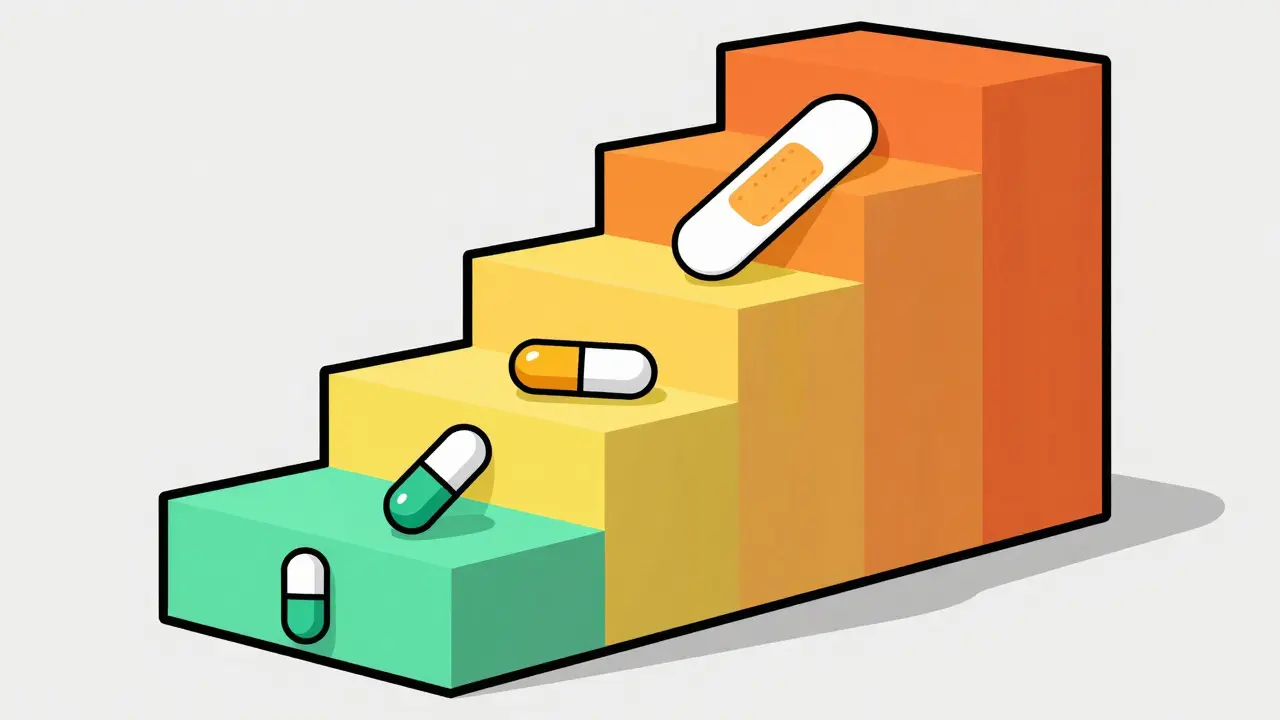
If you've talked to a pain specialist, you've probably heard about the "ladder." This system, originally created by the World Health Organization, provides a structured way to escalate medication based on how much pain you're in. Instead of jumping straight to the strongest drugs, doctors step up the intensity to find the lowest effective dose.- Step 1 (Mild Pain): This usually involves non-opioid options. Common choices include Paracetamol (acetaminophen) and non-steroidal anti-inflammatory drugs (NSAIDs). These are typically used for lower-level discomfort and are taken every 4-6 hours.
- Step 2 (Moderate Pain): When Step 1 isn't enough, "weak" opioids are introduced. You might see prescriptions for Tramadol or codeine. These provide a stronger punch than NSAIDs but are easier to manage than heavy narcotics.
- Step 3 (Severe Pain): For intense pain, strong opioids are required. This includes Morphine, oxycodone, or fentanyl patches. These are powerful tools that target the central nervous system to block severe pain signals.
Opioid Therapy: Balancing Relief and Side Effects
Opioids are the gold standard for severe cancer pain, but they aren't without their drawbacks. While they are incredibly effective at lowering pain scores-often reducing a pain rating by over 4 points on a 10-point scale-they hit the rest of the body too. The most common complaint? Constipation. It's a stubborn side effect that affects the vast majority of patients, often requiring a dedicated bowel regimen to manage. Other frequent issues include nausea and sedation. It's also worth noting that not everyone reacts to opioids the same way. For instance, some people have a genetic variation in the CYP2D6 enzyme, which means their body can't convert codeine into morphine effectively. If a medication isn't working despite a high dose, it might not be that the pain is "too strong," but rather that your genetics are blocking the drug's path.| Medication Type | Typical Use Case | Key Benefit | Common Downside |
|---|---|---|---|
| NSAIDs/Paracetamol | Mild, inflammatory pain | Easy access, low sedation | Stomach irritation |
| Weak Opioids (Tramadol) | Moderate pain | Moderate relief | Dizziness, nausea |
| Strong Opioids (Morphine) | Severe, chronic pain | High potency relief | Severe constipation, sedation |
| Monoclonal Antibodies | Advanced bone pain | Fewer GI side effects | Limited availability |
Interventional Procedures and Nerve Blocks
Sometimes, pills aren't the answer-either because the pain is too localized or the side effects of systemic drugs are too harsh. This is where interventional pain management comes in. Instead of treating the whole body, doctors target the specific nerve sending the pain signal. Nerve blocks are essentially "off switches" for pain. A doctor injects a local anesthetic (like bupivacaine) and sometimes a steroid directly around a nerve cluster.- Celiac Plexus Block: This is a lifesaver for people with pancreatic cancer. By blocking the nerves in the abdomen, patients often see their pain drop from an 8/10 to a 3/10 for several months.
- Epidural Analgesia: This involves delivering medication directly into the space around the spinal cord, providing powerful relief for pain in the lower body.
- Peripheral Nerve Catheters: These are small tubes that provide a continuous drip of medication to a specific limb or area, which is great for post-surgical recovery.
Integrative Care: The Power of Complementary Therapies
Integrative care isn't about replacing traditional medicine; it's about adding layers of support to make the medical treatment more tolerable. These methods focus on the mind-body connection and the physical environment to lower the perception of pain. Acupuncture has gained significant ground in oncology. By stimulating specific points on the body, it can reduce pain intensity and-perhaps more importantly-help kill off the nausea and vomiting associated with chemotherapy. Many patients find that combining acupuncture with their meds allows them to use lower doses of opioids. Other effective integrative tools include:- Mindfulness-Based Modalities (MBM): Techniques like meditation and deep breathing don't take the pain away, but they change how the brain processes it, making it feel less overwhelming.
- Massage and Reflexology: These help with muscle tension and circulation, providing a sense of relaxation that is often missing during intense hospital stays.
- Acupressure: Simple tools like wristbands can significantly cut down on chemotherapy-induced nausea, which reduces the overall distress the patient feels.
Emerging Tech: AI and New Drug Classes
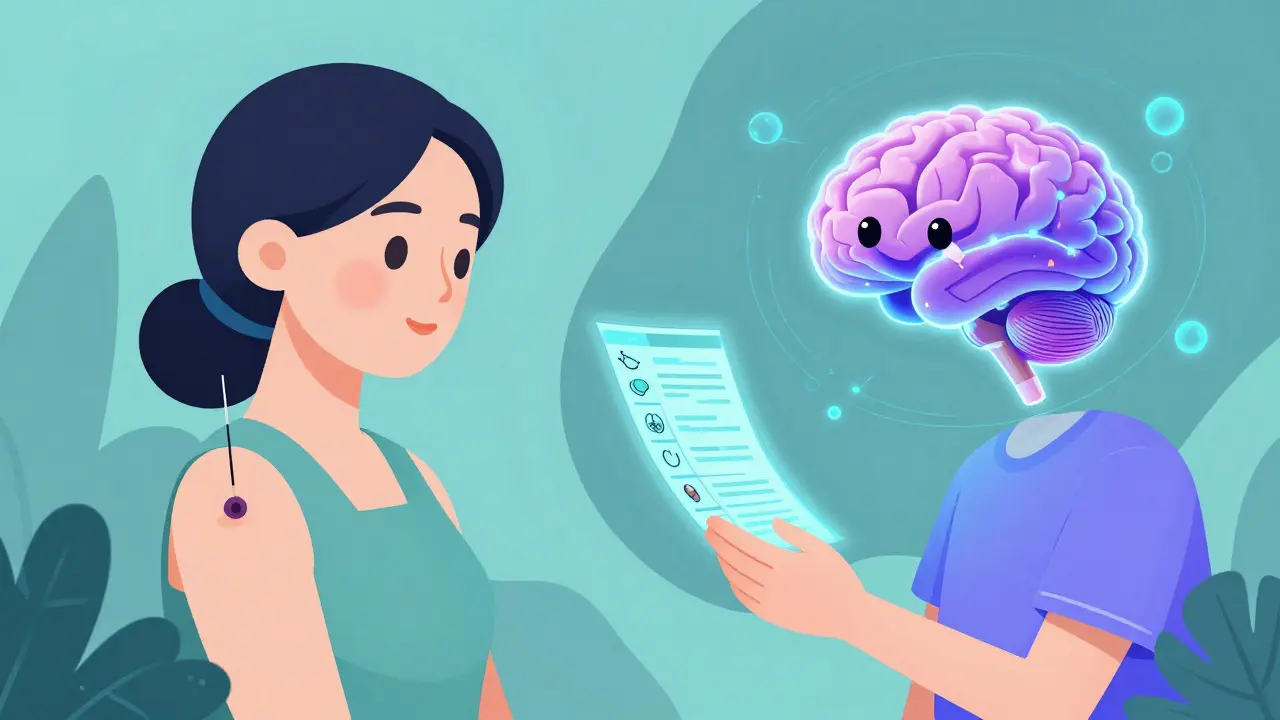
We are entering an era of personalized pain management. One of the most exciting developments is the use of AI-driven algorithms. By analyzing electronic health records, AI can now predict pain spikes before they happen, allowing nurses to adjust medication proactively rather than reacting after the patient is already in distress. On the pharmaceutical side, monoclonal antibodies are changing the game for bone pain. Drugs like denosumab target the specific mechanisms that cause bone destruction in advanced cancer. Unlike opioids, these don't cause sedation or constipation, making them a much cleaner option for patients with bone metastases. Even the way we track prescriptions is changing. In some regions, blockchain technology is being piloted to ensure that cancer patients can get their medications quickly and safely without the bureaucratic hurdles that often plague opioid prescriptions, while still preventing drug diversion.Practical Tips for Managing Your Pain Journey
Managing pain is a team effort. It requires clear communication between you and your care team. If you're struggling, the first step is keeping a detailed pain diary. Don't just record the number; record the *type* of pain. Is it burning? Stabbing? Dull? Does it get worse after eating or when you move? If you are starting a new medication, remember that titration is a process. Your doctor may increase your dose by 25-50% every few days until you reach a stable level where your pain is consistently below a 4 on the numerical rating scale. If you feel the medication isn't working, don't wait for your next appointment-reach out and describe the "breakthrough" episodes you're experiencing.Are opioids addictive if used for cancer pain?
While opioids have a potential for misuse, the risk of addiction is generally much lower in patients with active, severe cancer pain compared to those treating non-cancer pain. The focus is on "palliative" use-improving quality of life-and when managed by a specialist, the benefits of pain relief usually far outweigh the risks of dependency.
How do I know if I am a candidate for a nerve block?
You might be a candidate if your pain is concentrated in one area (like the abdomen or a specific limb) and doesn't respond well to oral medications. If you're experiencing severe side effects from opioids that make them unsustainable, a nerve block can provide a localized alternative that doesn't affect your whole system.
Can acupuncture really replace pain meds?
Acupuncture is rarely a total replacement for medication in severe cancer pain, but it is a powerful *complement*. It can reduce the overall intensity of pain and significantly lower the side effects of other drugs, potentially allowing you to take a lower dose of opioids.
What should I do about opioid-induced constipation?
This is the most common side effect and usually doesn't go away on its own. You should talk to your doctor about a preventative bowel regimen, which may include stool softeners, stimulant laxatives, and increased hydration. It's better to start these *with* the opioid rather than waiting for constipation to start.
How long does a celiac plexus block last?
While it varies by patient, the median duration of relief is around 132 days. Because the effect wears off over time, most patients require a repeat procedure every 3 to 6 months to maintain their level of comfort.
Jon Moss
April 25, 2026 AT 09:42Just glad to see a balanced take on this stuff.
Brittney Prince
April 26, 2026 AT 21:42Sure, the "WHO ladder" sounds great on paper, but it's probably just a way for big pharma to keep us hooked on a tiered system while they push the next expensive patented drug. Also, anyone else notice how they're suddenly pushing "AI algorithms" to predict pain? That just sounds like another way for insurance companies to track our every move and deny coverage based on a computer's guess about how much pain we're actually in. It's all about control and profit, not about actually helping the patient feel better.
Sharyl Foster
April 28, 2026 AT 20:12Actually, the WHO ladder is pretty basic and a lot of modern palliative care is moving toward a more personalized approach anyway because the linear steps don't always work for neuropathic pain. You can't just step up an opioid if the pain is caused by nerve damage; you need adjuvants like gabapentinoids, which this post barely mentioned. It's kind of a simplification to call it the "foundation" when it's often outdated for complex cases.
Jaclyn Vo
April 29, 2026 AT 22:18Omg yes!! The constipation part is literally the worst nightmare ever 😭 like why do I have to choose between pain and being able to go to the bathroom?! It's so unfair and nobody warns you enough about how brutal the bowel regimens are 🙄💅
Andre Ojakäär
May 1, 2026 AT 21:16monoclonal antibodies are the real deal here... totally changes the game for bone mets... way better than just zoning out on morphine all day
Michael Deane
May 2, 2026 AT 17:34It's about time we focus on these high-tech solutions and get rid of all the bureaucratic red tape that slows down our great American healthcare system, because honestly, the way some of these regulations are handled makes it feel like we're fighting the government just to get a basic prescription filled while other countries are just copying our innovations anyway. We need to push these AI tools and blockchain fixes harder and faster to make sure every single citizen has the best possible access to the strongest meds without some desk-jockey in a government office telling them they can't have a fentanyl patch when they're in agony, because that's just not how freedom should work in a country that leads the world in medical research.
Elle Torres Sanz
May 4, 2026 AT 13:56I really appreciate the mention of acupuncture and mindfulness. Integrating these eastern practices with western medicine creates a much more holistic environment for healing, and it's wonderful to see these methods getting more mainstream acceptance in oncology centers.
Eric Mwiti
May 5, 2026 AT 00:05Right, because a wristband for nausea is definitely the "game changer" we've all been waiting for while people are fighting Stage 4 cancer. Truly revolutionary stuff.
suresh kumar
May 5, 2026 AT 07:26This whole thing is a wild ride of chemicals and needles! My cousin tried a nerve block and said it felt like a lightning bolt of peace hitting his spine, just absolutely bonkers how the body reacts to these things. It's like a magic trick but with pharmacy bills!
Vijay AGarwal
May 5, 2026 AT 08:44The Celiac Plexus Block is an absolute miracle of modern science! To see a patient go from screaming in agony to a state of calm is nothing short of a medical triumph! It is an incredible intervention that saves countless souls from the depths of despair!
Michael Chukwuma
May 5, 2026 AT 12:11I'm just glad people are talking about the mental side of this. The mindfulness part really does help when everything else feels like it's crashing down.
sachin singh
May 7, 2026 AT 05:52The inclusion of AI-driven algorithms for predicting pain spikes is truly a fascinating development. It would be most beneficial to see how these tools are being integrated into standard nursing workflows to ensure patient comfort is maximized before the distress even begins.