Food Labels and Allergies: Understanding Hidden Allergens and New Safety Rules
 Mar, 26 2026
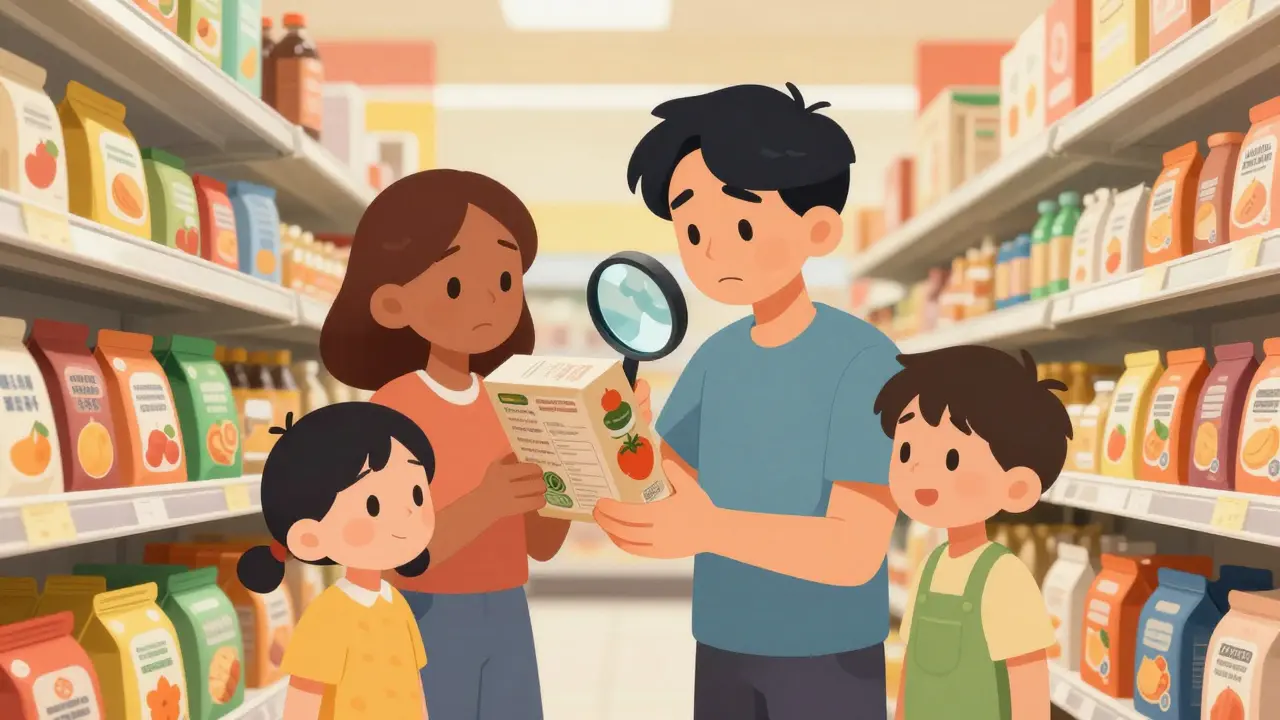
Navigating the grocery store aisle can feel like walking through a minefield when you manage food allergies. You grab a package, flip it over, and squint at the tiny print. Is that flour wheat or barley? Does “may contain milk” mean the same thing as every other box? For millions of people, these questions aren’t just inconvenient; they are a matter of survival. In early 2025, regulators stepped in to clarify exactly what needs to appear on those boxes, aiming to close dangerous gaps in transparency.
The landscape of food safety changed significantly with updated rules released by federal agencies. These new standards address the confusion around the nine major allergens that trigger the most severe reactions. If you have ever had to call a manufacturer directly just to ask if a cookie contains cow’s milk or goat’s milk, these changes are designed for you. Understanding these updates helps you shop with confidence and spot potential risks before opening a package.
The Foundation of Allergen Labeling
To understand the recent changes, we need to look at the baseline rules that govern packaged food. Most labeling requirements in the United States stem from legislation passed two decades ago. The Federal Food, Drug, and Cosmetic Act established the groundwork, but a specific amendment made it much stricter for common triggers.
FALCPA is The Food Allergen Labeling and Consumer Protection Act of 2004, a law requiring clear identification of major food allergens on packaging. It mandates that manufacturers must clearly state if a product contains any of the recognized high-risk ingredients. Without this law, producers could hide allergens under vague terms like “whey” or “baking powder,” leaving consumers to guess.Currently, there are nine major categories that require prominent disclosure. When you buy a jar of peanut butter, the label must explicitly list peanuts. The same applies to tree nuts, soybeans, fish, crustacean shellfish, egg, and milk. Recently, sesame was added to this mandatory list, acknowledging its growing prevalence as an allergen.
This legal framework forces companies to be honest. However, “honesty” wasn’t always precise enough for everyone. Some people react only to specific types within these broad categories, which led to the 2025 updates aimed at increasing specificity.
Key Updates in the 2025 Guidance
In January 2025, health officials released updated guidance to refine how these allergens appear on shelves. This document isn’t just a suggestion; it represents the official thinking on how to minimize risk. While some parts remain voluntary for certain aspects, the core expectation is clarity. One of the biggest shifts involves the definition of milk and eggs.
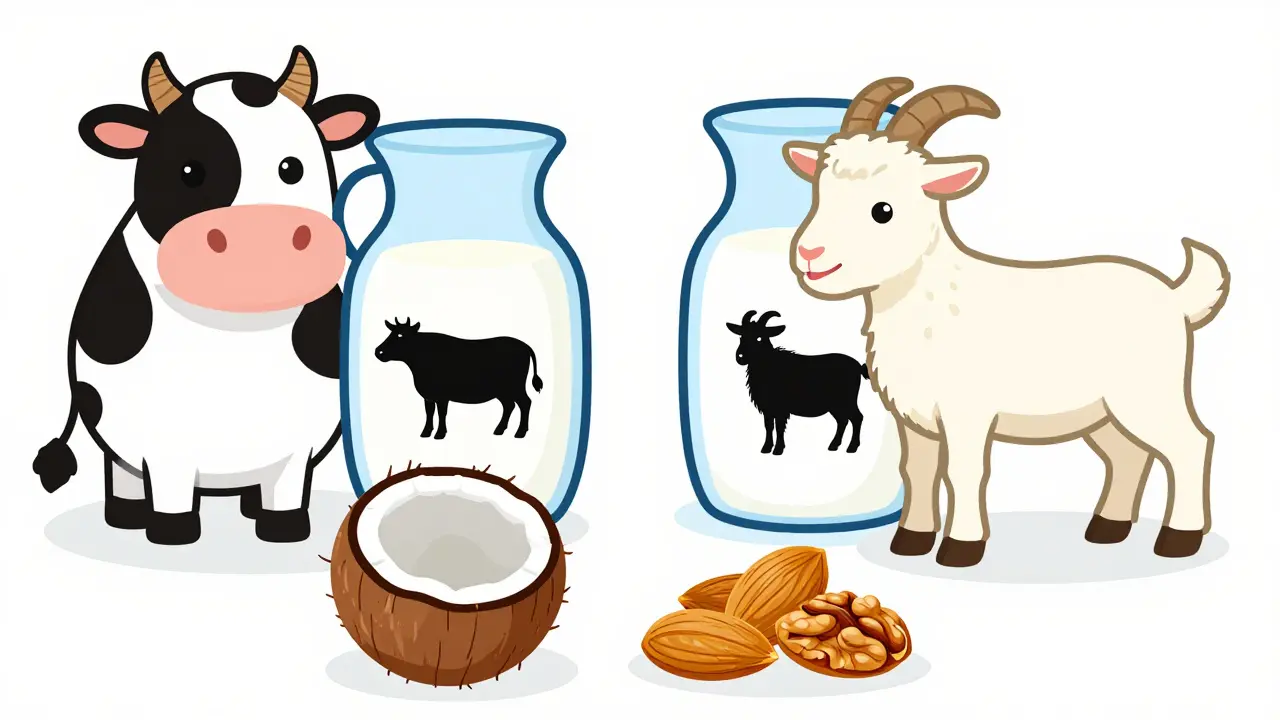
Previously, a label could simply say “milk” or “egg.” But for someone allergic to cow’s milk who tolerates goat’s milk, that blanket statement is useless. The new guidance requires specifying the animal source. You should now expect to see labels stating “cow milk” or “goat milk” distinctly. Similarly, duck eggs must be labeled separately from chicken eggs. This level of detail removes the need for phone calls to customer service lines.
| Allergen Group | Previous Standard | New Requirement |
|---|---|---|
| Milk | Listed generally as "milk" | Must specify animal source (e.g., cow, goat) |
| Eggs | Listed generally as "eggs" | Must specify bird species (e.g., duck, quail) |
| Shellfish | Included all mollusks | Restricted to crustaceans only |
| Tree Nuts | Included coconut | Coconut removed from list |
Another critical shift involves shellfish. The rules now distinguish between crustacean shellfish like shrimp and crab, versus mollusks like oysters and clams. Previously, these were grouped together, but scientifically, they are distinct. This separation protects people who react to one but can safely eat the other.
Perhaps the most surprising change concerns coconut. For years, coconut sat uncomfortably on the tree nut list. The science didn’t support grouping them together, yet labels required the warning. The updated guidance officially removes coconut from the mandatory tree nut disclosure. This frees up shelf space and reduces panic for families avoiding almonds or walnuts but safe to enjoy coconut milk.
Decoding Warning Statements and Warnings
Even with clear ingredient lists, uncertainty remains when manufacturing facilities handle multiple products. You likely know these warnings as “may contain” or “processed in a facility that also processes”. These are known as advisory statements.
Here is the tricky part: the presence of an advisory statement does not guarantee contamination. However, it signals a risk of cross-contact. Cross-contact occurs when an allergen touches a non-allergen food, usually on shared equipment. The 2025 guidance clarifies that these voluntary statements must be truthful. A company cannot claim “free-from almond” if the same machine makes macadamia cookies nearby.
Cross-Contact is The accidental incorporation of an allergen into a food product not intended to contain it. Unlike intentional ingredients, cross-contact is often unintentional but carries the same reaction risk.Manufacturers sometimes overuse these warnings as a shield against liability, meaning almost every chocolate bar gets a “May contain peanuts” sticker even if peanuts never enter the room. To combat this, the guidance strictly prohibits conflicting claims. If a product advertises itself as “nut-free,” it cannot simultaneously warn “May contain nuts.” One or the other must apply. This prevents confusion where a consumer sees a safety promise followed immediately by a danger warning.
Practical Strategies for Safe Shopping
Knowing the rules is one thing; applying them at the checkout counter is another. Here are actionable steps to protect yourself and your family based on the latest standards.
- Check for Specificity: Look beyond the bold font. If you are avoiding dairy, scan for "cow milk" or "goat milk" in the fine print. General terms are becoming less common, but older stock may still exist.
- Verify the “Contains” Statement: By law, this summary sits right below the ingredient list. It highlights the top priority triggers. If “esam” is missing there, it shouldn’t be hidden in the ingredients.
- Trust “Free-From” Claims: With the new restrictions, a label claiming “milk-free” should be reliable. If you see “may contain milk” alongside it, question the manufacturer’s accuracy.
- Watch Out for Non-Mandatory Items: Remember that this guidance focuses on FDA-regulated foods. Meat and poultry fall under different departments and might not follow these exact label specs. Always read those labels carefully too.
Be mindful of imported goods. Regulations can vary significantly by country. A product made overseas might follow different standards than the 2025 domestic guidance. When buying imported snacks, assume the stricter rules might not apply and rely on a full ingredient read-through.
The Future of Food Safety
These updates represent a long-term shift toward precision. We are seeing a move away from broad, scary categorizations toward accurate, science-based distinctions. While the transition creates work for manufacturers updating their inventory, the end goal is fewer unnecessary exclusions and fewer accidents.
Experts predict that by late 2026, compliance will become standard across most major brands. Liability fears drive companies to adopt the safest practices quickly. However, vigilance remains essential. Technology and regulations evolve, but your caution shouldn’t drop. Keep checking labels, keep asking questions, and trust the improved clarity that newer packaging offers.
Is coconut considered a tree nut allergen?
No, under the updated 2025 guidance, coconut has been removed from the list of major tree nut allergens. It no longer requires mandatory allergen declaration if the label specifies it is a fruit.
What is the difference between cross-contact and intentional ingredients?
Intentional ingredients are listed in the recipe. Cross-contact happens when an allergen accidentally mixes with another product, usually due to shared equipment, prompting precautionary statements.
Can a product say nut-free if it says may contain nuts?
No. The 2025 guidance explicitly bans using “free-from” claims alongside advisory “may contain” statements for the same allergen to prevent consumer confusion.
Does this apply to meat and poultry products?
No, these specific FDA guidance updates apply to packaged foods regulated by the FDA. Meat, poultry, and processed catfish are regulated by the USDA and follow separate labeling protocols.
Why must milk labels specify the animal source now?
Some people are allergic to cow milk but can digest goat or sheep milk. Specifying the source allows these consumers to identify safe products without contacting the manufacturer.
Sophie Hallam
March 26, 2026 AT 14:54I think it is important we understand the nuance of these new standards for everyone.
Jeannette Kwiatkowski Kwiatkowski
March 28, 2026 AT 01:54Finally a rational approach after decades of vapid generalizations and poor implementation strategies.
Aaron Olney
March 28, 2026 AT 19:00OMG this is scaring me so much i cant breathe sometimes
thier is so much wrong with old labels i feel bad for my allergy friends :(
It is a mess honestly. i worry everyday about eating out.
People dont listen to us enough either.
Philip Wynkoop
March 29, 2026 AT 05:31Great update here 😊👏
Poppy Jackson
March 30, 2026 AT 09:08Keep pushing forward friend!
You are doing great work sharing knowledge.
❤️
Rohan Kumar
April 1, 2026 AT 06:59Wake up sheeps 🙄
They just want to sell you more stuff labeled "safe".
Big Food knows the truth about these lists.
Sabrina Herciu
April 2, 2026 AT 20:39While passion is good; evidence suggests; regulation actually improves outcomes significantly.
Monique Ball
April 3, 2026 AT 11:26It is truly wonderful to see such positive changes taking place in our food safety regulations recently! We all want to protect our loved ones from accidental exposure to dangerous allergens! This new specificity regarding animal sources like cow versus goat milk is absolutely brilliant in design! Imagine the peace of mind parents gain when they know exactly what they are putting into their child’s tummy! I remember reading reports about how coconut was finally removed from the tree nut category which is huge progress! Scientific accuracy allows families to enjoy foods they were previously forced to avoid unnecessarily due to fear alone! Manufacturers really need to step up and take responsibility for accurate labeling without confusing advisory warnings everywhere! When companies stop using vague statements like may contain nuts without real risk it builds genuine trust with consumers again! We must celebrate the experts working hard behind the scenes to make these distinctions clear for everyone shopping daily! It feels like a small victory for people living with severe sensitivities every day during their grocery runs! Education is key, yet better laws remove the burden from the consumer having to decipher tiny print constantly! My family has been worried for years about hidden sesame seeds in seemingly safe baked goods unexpectedly! Clarity in these new guidelines gives us hope for safer dining experiences outside the home eventually too! We should encourage local businesses to adopt these standards voluntarily before mandates force complete compliance nationwide! Everyone deserves the right to eat safely without feeling anxious about unexpected reactions ruining their meal plans forever! Let’s remain hopeful and vigilant as the industry transitions over to these improved mandatory disclosure protocols now! 😊😊😊
gina macabuhay
April 4, 2026 AT 20:40You sound entirely naive regarding corporate liability and actual enforcement mechanisms in reality.
It is incorrect to assume manufacturers care about safety above profit margins.
Austin Oguche
April 5, 2026 AT 19:07Greetings from overseas; we await similar adoption of standards here soon.
Debra Brigman
April 5, 2026 AT 19:38The essence of labeling is trust in the abstract concept of purity.
Without transparency, consumption becomes an act of blind faith rather than informed choice.