How to Coordinate Mail-Order and Local Pharmacy to Save Money on Medications
 May, 7 2026
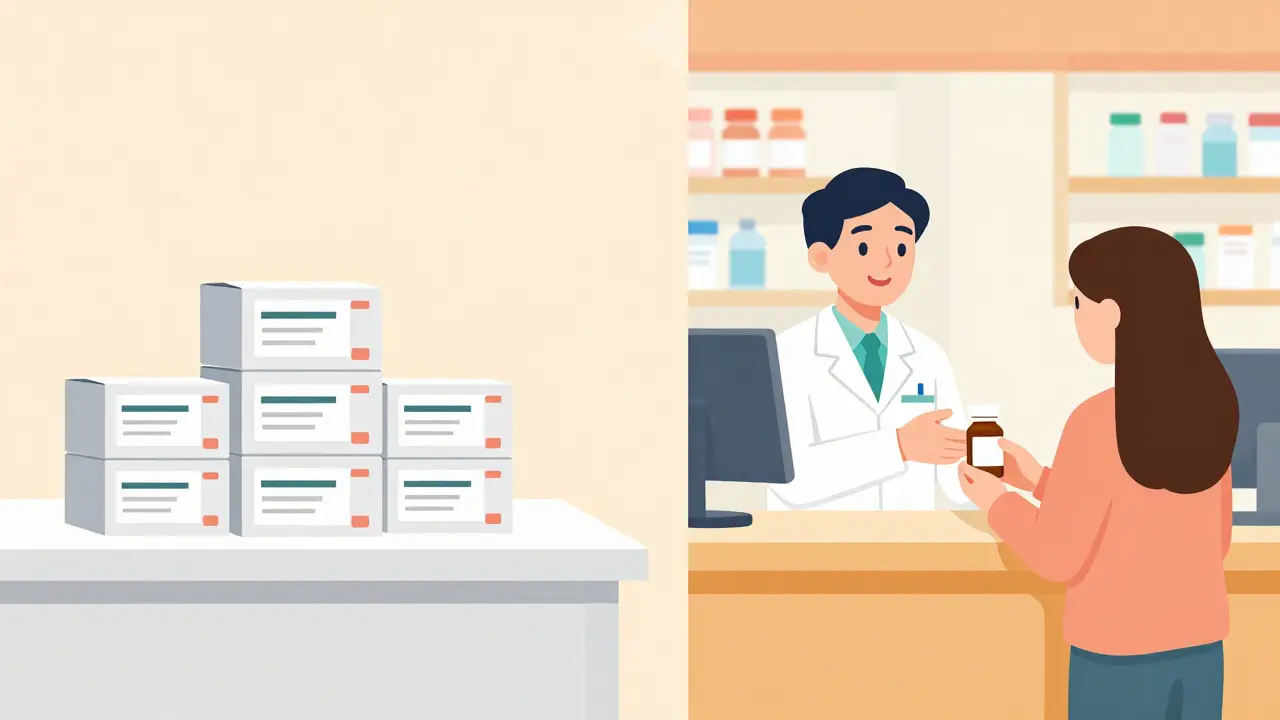
Did you know that simply splitting your prescriptions between two different pharmacies could save you hundreds of dollars a year? Most people assume they have to choose one pharmacy for everything, but the smartest patients use a hybrid approach. By coordinating mail-order pharmacy services with your trusted local corner shop, you can slash costs on maintenance drugs while keeping quick access for urgent needs.
The key isn't just picking the cheapest option blindly. It’s about understanding how insurance plans structure their pricing tiers and matching your specific medication types to the right fulfillment channel. This strategy turns a routine chore into a powerful financial tool, ensuring you get the best price without sacrificing convenience or care quality.
Understanding the Core Strategy: Why Two Pharmacies?
The logic behind this approach is straightforward but often overlooked. Insurance companies and Pharmacy Benefit Managers (PBMs) like Express Scripts or CVS Caremark design their plans to reward bulk purchasing. They heavily incentivize 90-day supplies because it reduces administrative overhead for them-fewer transactions mean lower costs.
However, not every medication fits the 90-day model. Some drugs are taken only when needed, such as antibiotics or painkillers after surgery. Others require frequent dose adjustments during the initial treatment phase. For these, a standard 30-day fill at a local pharmacy makes more sense. The goal is to align the payment structure with your actual usage pattern.
By separating your medications into distinct categories, you avoid paying premium prices for convenience when you don’t need it, and you avoid waiting weeks for delivery when you do need it immediately. This dual-channel method maximizes the benefits of both systems.
Categorizing Your Medications for Maximum Savings
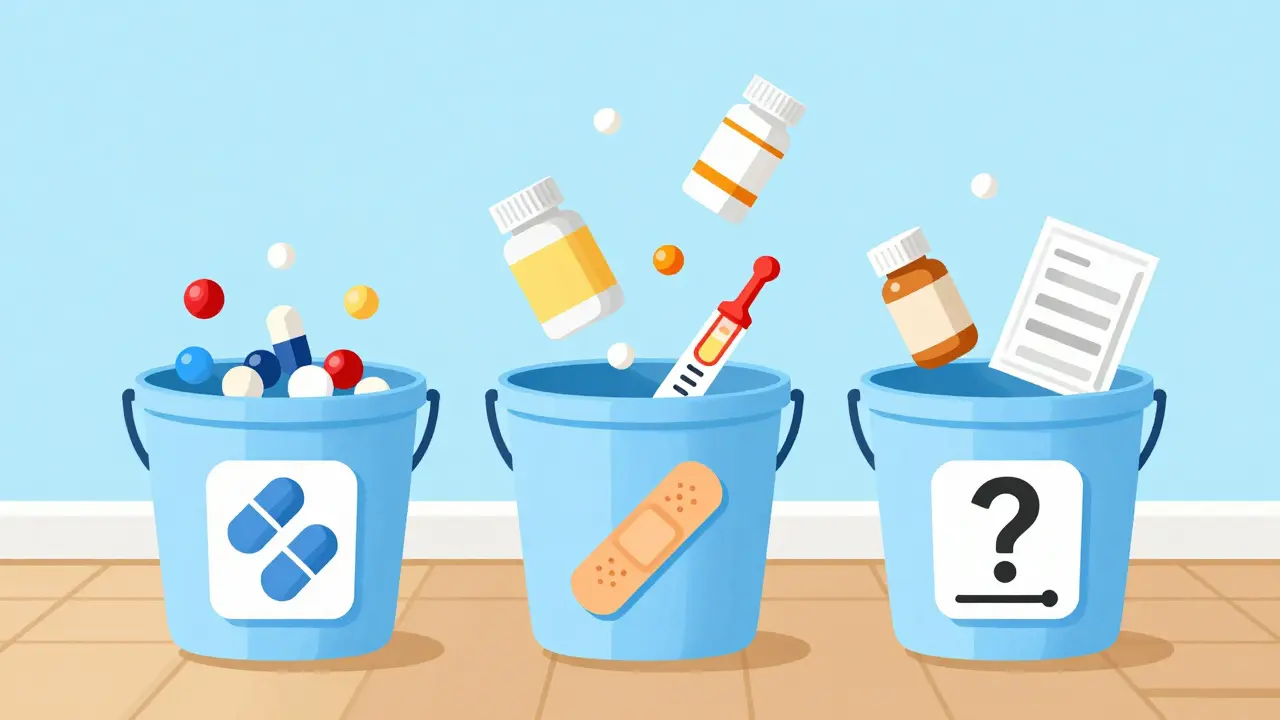
To start coordinating, you need to sort your prescriptions into three clear buckets. This classification determines which pharmacy handles each script.
- Maintenance Medications: These are drugs you take daily for chronic conditions like hypertension, diabetes, or high cholesterol. You likely won’t change the dosage for months or years. These are prime candidates for mail-order services due to their predictable nature and eligibility for discounted 90-day copays.
- Acute or Short-Term Medications: Think antibiotics, anti-nausea meds, or post-surgical prescriptions. You only need these for a few days or weeks. There is no benefit in ordering a 90-day supply, so always use your local pharmacy for immediate access.
- Variable-Dose Medications: New prescriptions where your doctor might adjust the strength based on your body’s reaction. Until the dose stabilizes, keep these at a local pharmacy. Once your doctor says "this dose is final," move them to mail-order to save money.
This simple sorting process prevents wasted money on unused pills and ensures you never run out of critical emergency meds while waiting for shipping.
Comparing Costs: Mail-Order vs. Local Retail
Price differences can be stark, but they depend heavily on your specific insurance plan's formulary tiers. Generally, mail-order offers significant discounts for generic and brand-name maintenance drugs. However, local pharmacies have become more competitive, especially with discount programs.
| Feature | Mail-Order Pharmacy | Local Retail Pharmacy |
|---|---|---|
| Typical Supply | 90 days | 30 days (often offers 90) |
| Average Copay (Generic) | $12.50 - $15.00 | $15.00 - $45.00 (varies by plan) |
| Delivery Time | 7-14 business days | Same day or next day |
| Consultation Access | Phone-only support | Face-to-face pharmacist advice |
| Best For | Stable, long-term maintenance drugs | Urgent needs, new prescriptions, temperature-sensitive meds |
Notice that many local chains now offer 90-day fills at the same price as mail-order. Always check this first. If your local pharmacy matches the mail-order price for a 90-day supply, there is little reason to switch unless you value the home delivery aspect highly.
Navigating Insurance Formulary Tiers
Your insurance plan uses a tiered system to determine what you pay. Understanding this is crucial for spotting savings opportunities. Most plans have three or four tiers:
- Tier 1: Preferred generics. Usually the cheapest, often available at low flat rates at both mail-order and local pharmacies.
- Tier 2: Preferred brands. Moderate cost. Mail-order often provides a better deal here for 90-day supplies.
- Tier 3: Non-preferred brands. Higher cost. The gap between 30-day and 90-day pricing is widest here, making mail-order very attractive if applicable.
- Tier 4/Specialty: High-cost specialty drugs. Rules vary wildly. Sometimes mail-order is cheaper; sometimes local is preferred due to handling requirements.
For example, a Medicare Part D plan might charge $45 for a 30-day supply of a Tier 3 medication at retail but only $115 for a 90-day supply through mail-order. That’s a 24% reduction per day’s medication. However, always verify current rates, as plans update annually. Call your insurer or check online portals to see the exact copay for both channels before switching.
Practical Steps to Set Up Your System
Implementing this strategy takes some initial effort, but the long-term savings are worth it. Here is how to set it up effectively:
- Audit Your Meds: List every prescription you currently take. Mark them as maintenance, acute, or variable-dose.
- Check Coverage: Contact your insurance provider. Ask specifically: "What is the copay for a 90-day supply of [Medication Name] via mail-order versus a local pharmacy?"
- Enroll in Mail-Order: If the savings are significant for maintenance drugs, enroll in your insurer’s mail-order program. Provide all necessary history to ensure seamless transition.
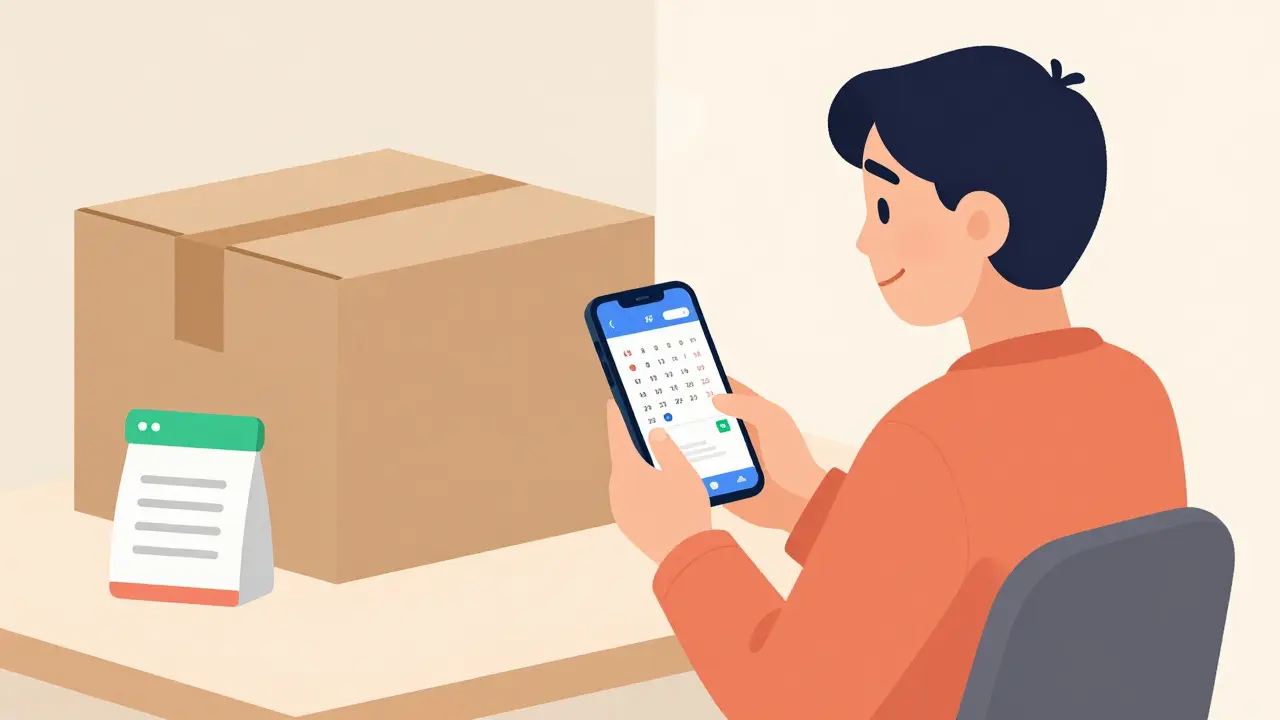
- Set Calendar Reminders: Mail-order takes 7-14 days to arrive. Set a reminder 10-14 days before you run out to request refills. Do not wait until you are empty.
- Build a Local Relationship: Choose one local pharmacy for all acute and new prescriptions. Establish a relationship with a specific pharmacist who knows your history. This improves safety and allows for quick consultations.
Many successful users report saving over $300 annually by strictly following this calendar-based refill schedule. The discipline pays off quickly.
Pitfalls to Avoid When Coordinating Pharmacies
While this method saves money, it introduces complexity. Be aware of these common traps:
- System Sync Issues: Mail-order pharmacies may not instantly sync with your Electronic Health Record (EHR). If your doctor changes a dose, inform the mail-order service immediately. Otherwise, they might keep sending the old strength, leading to wasted money and health risks.
- Temperature Sensitivity: Drugs like insulin or certain biologics degrade in extreme heat or cold. Shipping exposes them to temperature fluctuations. Keep temperature-sensitive medications at your local pharmacy to ensure potency.
- Plan Changes: Insurers change formularies every year. A drug that was cheap on mail-order last year might move to a higher tier this year. Review your benefits statement monthly to catch these shifts early.
- Authorization Delays: Some plans require separate prior authorizations for mail-order. Factor in extra time for approvals when switching new maintenance drugs to mail-order.
Being proactive about these issues prevents costly mistakes and ensures continuous care.
Future Trends in Pharmacy Coordination
The landscape is shifting. In 2024, Medicare redesigned Part D to standardize cost-sharing for 90-day supplies across channels. This means the traditional huge advantage of mail-order may shrink for some beneficiaries. Additionally, integrated networks like UnitedHealthcare’s Optum Perks are blending mail-order efficiency with local access points.
Despite these changes, the core principle remains valid: match the service to the need. As digital tools improve, expect more automated recommendations from your insurer suggesting the optimal channel for each prescription. Stay informed, review your options annually, and don’t hesitate to ask questions. Your wallet-and your health-will thank you.
Is mail-order pharmacy always cheaper than local?
Not always. While mail-order often offers lower copays for 90-day supplies of maintenance medications, many local pharmacies now match these prices. Additionally, for short-term or acute medications, local pharmacies are more cost-effective because you only buy what you need. Always compare specific copays for your plan.
How long does mail-order delivery take?
Typically, mail-order pharmacies take 7 to 14 business days to deliver prescriptions. This delay makes them unsuitable for urgent needs. Plan ahead by setting refill reminders 10-14 days before you run out of medication.
Can I use my local pharmacy for 90-day fills?
Yes, most major retail pharmacies offer 90-day fills. Check with your insurance provider to see if the copay for a 90-day supply at your local pharmacy matches the mail-order rate. If it does, you can enjoy the convenience of local pickup with similar savings.
What medications should NOT go through mail-order?
Avoid mail-order for temperature-sensitive drugs like insulin, acute medications like antibiotics, and new prescriptions requiring dose adjustments. These items benefit from immediate availability and professional oversight provided by local pharmacists.
How do I handle dose changes with mail-order?
If your doctor changes a dose, contact your mail-order pharmacy immediately to update your records. Systems do not always sync automatically. Until the new order is processed, you may need to pick up temporary supplies at your local pharmacy to avoid gaps in treatment.