How to Manage Dawn Phenomenon: Stopping Morning Blood Sugar Spikes
 Apr, 13 2026
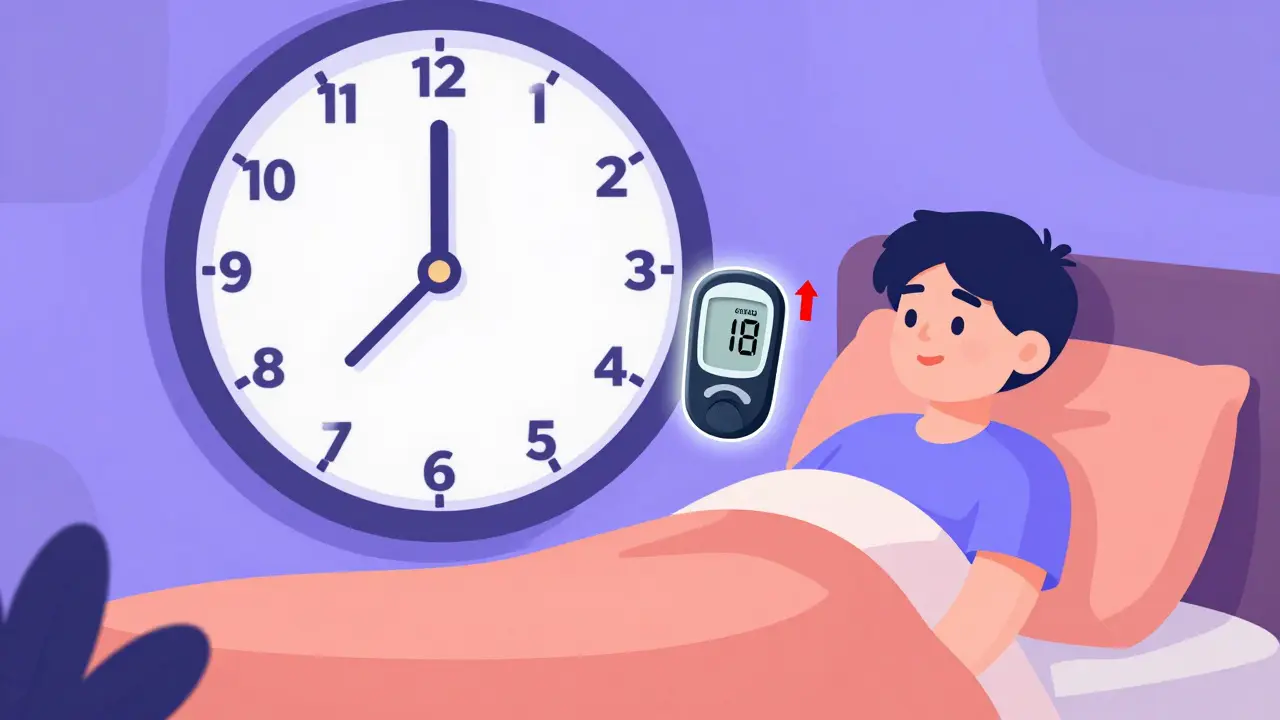
Waking up to a blood sugar reading that's way higher than when you went to bed is incredibly frustrating. You did everything right-you ate a balanced dinner, took your meds, and got a good night's sleep-yet there it is: a spike that seems to come out of nowhere. This isn't just a fluke or a result of a "cheat meal" the night before. It's likely the dawn phenomenon is a natural physiological process where blood glucose levels rise in the early morning, typically between 3:00 a.m. and 8:00 a.m.
For people without diabetes, this is just a normal part of waking up. For those of us managing diabetes, however, it can lead to a rough start to the day and a higher HbA1c. The good news is that once you understand why it's happening, you can use specific tools and lifestyle tweaks to flatten those morning peaks.
Why your blood sugar spikes while you sleep
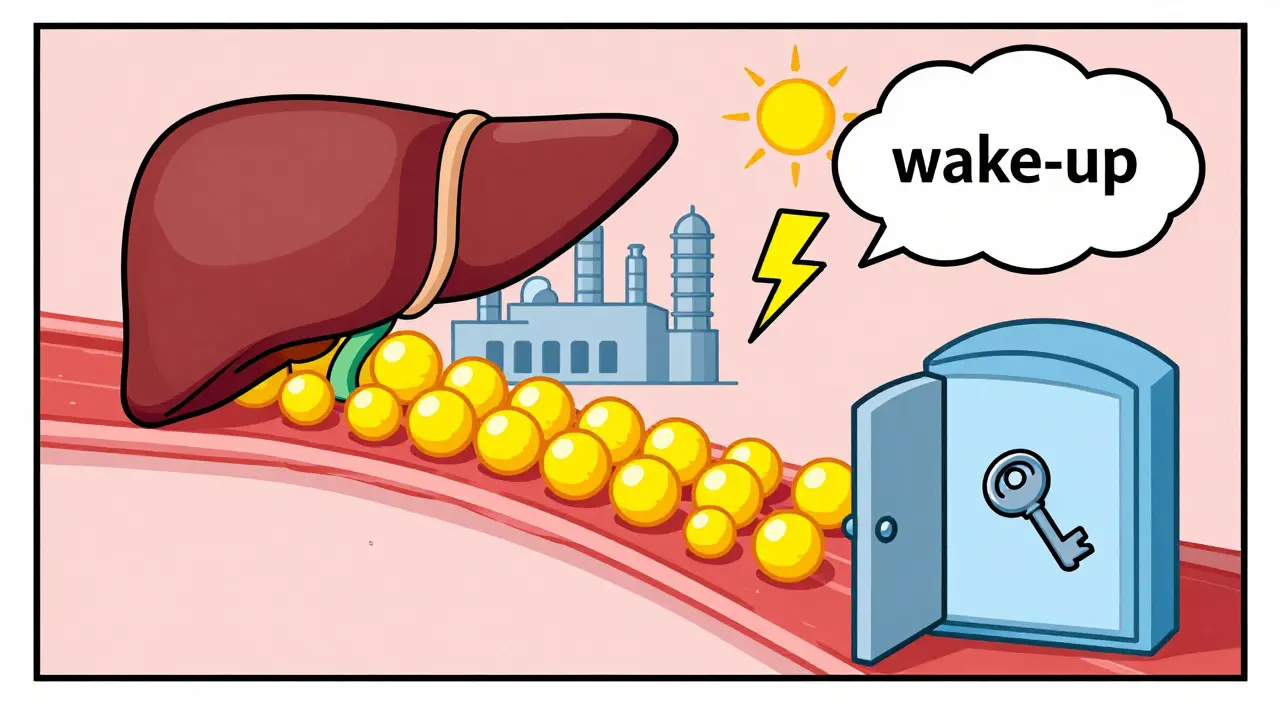
Think of your body as an engine that needs to prime itself before you get out of bed. Around 3:00 a.m., your circadian rhythm triggers a release of "wake-up" hormones. These include cortisol, growth hormone, and glucagon. These hormones tell your liver to dump stored glucose into your bloodstream to give you energy for the day.
In a body without diabetes, the pancreas just pumps out a little extra insulin to balance this surge. But if you have Type 1 diabetes, your body doesn't produce enough insulin. If you have Type 2, your cells might be resisting the insulin you do have. Because the insulin can't keep up with the hormone surge, your blood sugar climbs. Research from the University of Virginia shows that growth hormone secretion can actually rise 300-500% above baseline during this window, which is why the spike can feel so aggressive.
Is it Dawn Phenomenon or the Somogyi Effect?
This is the most important distinction you'll make. Many people confuse the dawn phenomenon with the Somogyi effect, but treating one like the other can be dangerous. The Somogyi effect is a "rebound" spike. It happens when your blood sugar drops too low during the night (nocturnal hypoglycemia), and your body panics, releasing hormones to snap your glucose levels back up-often overshooting the target.
If you mistake a Somogyi effect for the dawn phenomenon and increase your nighttime insulin, you might actually drive your blood sugar even lower during the night, increasing the risk of a severe hypoglycemic event. To tell them apart, you need data. The best way is to check your levels at 3:00 a.m. for a few nights. If you're high or steady at 3:00 a.m. and continue to rise, it's the dawn phenomenon. If you're low at 3:00 a.m. and high by 7:00 a.m., it's likely Somogyi.
| Feature | Dawn Phenomenon | Somogyi Effect |
|---|---|---|
| Cause | Natural hormone surge (Cortisol/Growth Hormone) | Rebound from nighttime low (Hypoglycemia) |
| 3:00 AM Reading | Usually normal or high (>100 mg/dL) | Usually low (<70 mg/dL) |
| Glucose Trend | Steady increase from 3 AM to wake-up | Drop followed by a sharp spike |
| Risk of Mismanagement | Under-treating leads to high HbA1c | Over-treating leads to dangerous nighttime lows |
Practical ways to flatten the morning spike
Management isn't one-size-fits-all. What works for someone on a pump might not work for someone taking oral medications. However, there are several evidence-backed strategies you can discuss with your doctor.
Adjusting medication and insulin
For those using an insulin pump, adjusting the basal rate is often the most effective move. Many users increase their basal delivery by 20-30% specifically between 3:00 a.m. and 7:00 a.m. to counteract the liver's glucose dump. If you use a Continuous Glucose Monitor (CGM) like a Dexcom or FreeStyle Libre, you can see exactly when your sugar starts to climb and time your adjustments perfectly.
For Type 2 diabetes, the timing of your medication matters. Some providers shift GLP-1 receptor agonists to the evening. This helps suppress the glucose production from the liver more effectively during those critical early morning hours. Always consult your healthcare provider before changing your dose or timing.
Dietary and lifestyle tweaks
- Watch your evening carbs: Try limiting high-carb dinners. Data from the Joslin Diabetes Center suggests that keeping evening carbs under 45g can significantly reduce the severity of morning spikes.
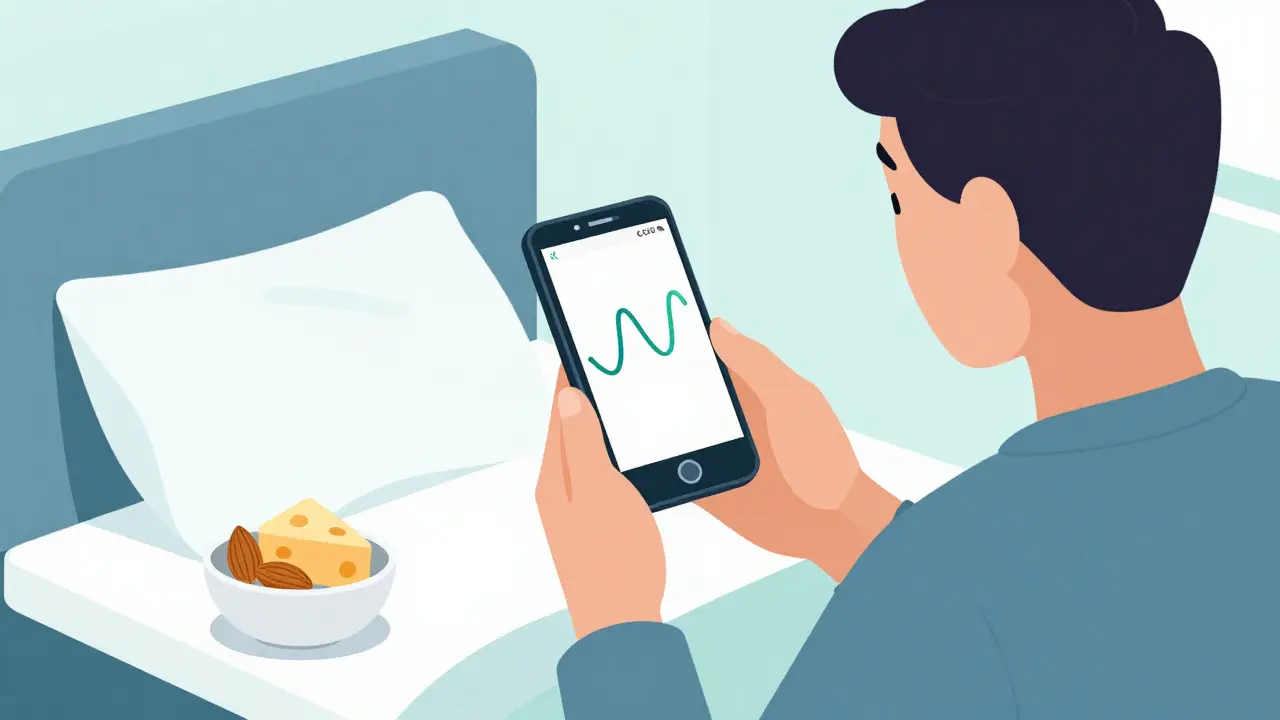
- The "Strategic Snack": Instead of a sugary snack before bed, try a small combination of protein and healthy fats (like a tablespoon of almond butter or a piece of string cheese). This can help stabilize glucose levels without causing a pre-sleep spike.
- Prioritize sleep: It sounds simple, but poor sleep messes with your hormones. Lack of quality rest can increase morning glucose by 15-20 mg/dL because your body is already under stress.
- Light evening activity: A gentle walk after dinner can improve insulin sensitivity, making your body better equipped to handle the dawn hormone surge.
The role of technology in modern management
We've moved past the days of guessing with a single finger-stick. Continuous Glucose Monitoring (CGM) is now the gold standard for diagnosing the dawn phenomenon. By looking at the trend arrows, you can see a steady 10-15 mg/dL climb per hour, which confirms the physiological nature of the spike.
Even more advanced are automated insulin delivery (AID) systems. These "artificial pancreas" systems use algorithms to predict the rise and automatically increase insulin delivery before the spike even peaks. Some newer versions now include specific predictive dosing that kicks in as early as 2:00 a.m., which has been shown to reduce morning hyperglycemia by over 60% in some clinical trials.
When to be concerned
While a slightly high reading in the morning is common, persistent severe hyperglycemia (over 250 mg/dL) can be dangerous. For those with Type 1 diabetes, this significantly increases the risk of Diabetic Ketoacidosis (DKA). If you find that your morning numbers are consistently high despite trying the tips above, your HbA1c will likely climb, increasing the long-term risk of complications.
Don't ignore the signs. If you're waking up with extreme thirst, blurred vision, or an urgent need to urinate several times before breakfast, your body is telling you that the current management plan isn't cutting it. The goal isn't perfection, but consistency. Aiming for a morning reading under 130 mg/dL is a realistic target for most people.
Can I just take more insulin before bed to stop the spike?
This is risky. If you increase your bedtime dose without knowing if you're experiencing the dawn phenomenon or the Somogyi effect, you could trigger severe nocturnal hypoglycemia. Always use a CGM or a 3:00 a.m. check to confirm the cause before adjusting your dose.
Why does this happen even if I don't eat anything late at night?
The spike isn't caused by food; it's caused by your liver. Hormones like cortisol and glucagon signal your liver to release stored glucose to wake you up. In diabetes, the lack of effective insulin means this glucose stays in your blood instead of entering your cells.
Does the dawn phenomenon happen to everyone?
Yes, the hormone surge happens to everyone. However, people without diabetes produce enough insulin to neutralize the effect. About 50% of people with both Type 1 and Type 2 diabetes experience it as a clinical issue because their insulin response is impaired.
Will a high-protein snack before bed help?
Yes, for many. A snack with protein and healthy fats (and minimal carbs) can help stabilize your glucose levels overnight and potentially reduce the severity of the morning surge. Avoid snacks that are primarily carbohydrates, as these can cause a spike and then a subsequent drop.
How long does it take to see results from management changes?
Most clinicians recommend a 4-6 week trial for any single intervention-whether it's a dietary change or a medication adjustment. This allows your body to adapt and gives you enough data to see if the change is actually working.
Next steps for better mornings
If you're struggling with morning spikes, start by logging your data. For the next three to five nights, record your bedtime reading, a 3:00 a.m. reading, and your wake-up reading. This simple log is the most powerful tool you can bring to your next doctor's appointment.
If you have access to a CGM, look for the "trend arrows." If you see a steady upward climb starting around 3:00 a.m. or 4:00 a.m., you have your answer. From there, start with the easiest changes first: tweak your evening carb intake and improve your sleep hygiene. If those don't move the needle, work with your endocrinologist to adjust your basal insulin or medication timing.
David Snyder
April 13, 2026 AT 17:43This is super helpful for anyone feeling defeated by those morning numbers!
Randy Ryder
April 15, 2026 AT 07:58The glucagon-mediated hepatic glucose output is really the core issue here. If we can modulate that glycemic excursion via basal rate adjustments or a slight shift in nighttime macronutrients, we can significantly mitigate the impact on the HbA1c. It's all about managing that endogenous glucose production spike.
Kenzie Evans
April 15, 2026 AT 19:47Ugh, everyone knows about this. Just eat a snack before bed and stop overcomplicating it with 3 AM alarms. It's basic stuff and honestly, most people just fail at consistency anyway.
Scott Lofquist
April 16, 2026 AT 03:47Actually, the 3 AM check is a total waste of time for most of us 🙄. Just get a CGM and stop guessing. Why are people still doing finger pricks like it's 1995? Get with the times 💉📉!
Ikram Khan
April 17, 2026 AT 20:19Omg I totally feel this!!! 😱 My numbers were driving me absolutely insane every single morning! I tried the 3 AM check and it was a total game changer for me! Keep fighting the good fight everyone!! 💪✨
rupa das
April 19, 2026 AT 15:36not that simple for everyone. some people just have weird livers
Milo Tolley
April 20, 2026 AT 04:46The sheer volatility of the glycemic index... it's absolute chaos!!! My glucose levels are basically a roller coaster ride from hell!!! 🎢!!!
Brooke Mowat
April 20, 2026 AT 09:24It's like a cosmic dance of hormones in the dark, right? Just a wild ride of cortisol surfinn' through the veins while we snooze... we're all just tiny boats in a big sugar sea lol. Just keep vibin' and findin' your own rhythm with the body's weird little glitches!!
S.A. Reid
April 21, 2026 AT 08:22One must consider that the medical establishment's obsession with these specific time windows is perhaps a bit too convenient. It is quite possible that these所谓的 'phenomena' are merely symptoms of a wider, more systemic failure in our dietary paradigms, perhaps even orchestrated by those who benefit from lifelong medication. I find the rigid adherence to the 3 AM window somewhat suspect, though I remain friendly to those who find solace in it.
Princess Busaco
April 21, 2026 AT 11:37I've spent years studying the holistic intersections of endocrinology and spiritual alignment, and frankly, the narrow focus on hormones is just so reductive because it ignores the energetic blockages in the solar plexus that often manifest as glucose instability, which is why I always tell my clients that if you aren't aligning your circadian rhythm with the lunar cycle you're basically just fighting a losing battle against your own biology and it's truly tragic to see people just blindly following clinical charts without considering the metaphysical weight of their morning spikes.
Anurag Moitra
April 22, 2026 AT 17:46It is imperative to maintain a disciplined log of these readings to ensure an accurate diagnosis. Precision in data collection allows for a more tailored therapeutic approach.
Olivia Lo
April 23, 2026 AT 00:09The dichotomy between the Somogyi effect and the dawn phenomenon represents a fascinating intersection of homeostatic regulation and dysfunction. While the pharmacological approach is often the primary focus, we should perhaps consider how the psychological stress of nocturnal hyperglycemia affects the patient's overall well-being. It's a delicate balance of systemic intervention and mindful awareness.
Billy Wood
April 23, 2026 AT 15:50Keep at it!!! You got this!!! Just keep tracking!!!
Becca Suttmiller
April 24, 2026 AT 05:42I appreciate the clear distinction between the two effects. It's a helpful reminder to focus on data rather than guessing, which saves a lot of stress in the long run.