Medication Considerations for Vegans and Vegetarians: Hidden Animal Ingredients
 Dec, 8 2025
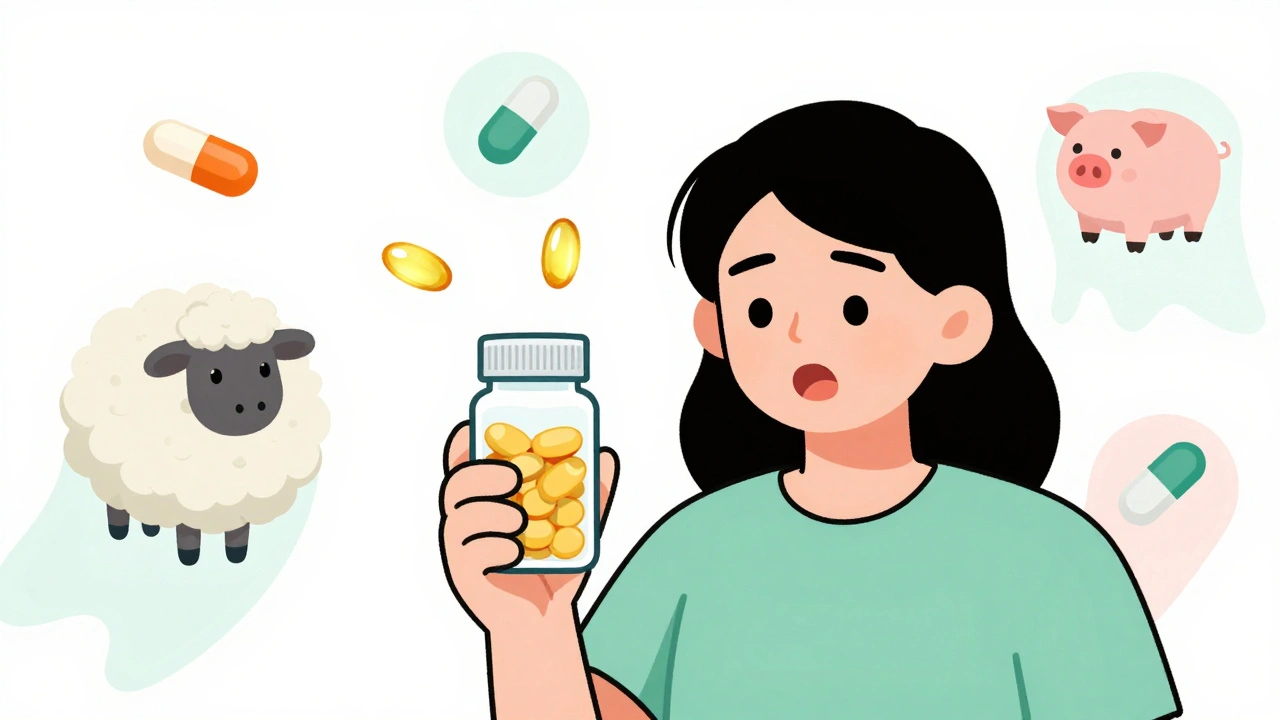
Most people assume their medications are safe, effective, and free from ethical conflicts. But if you’re vegan or vegetarian, that assumption can be dangerously wrong. Hidden animal ingredients are hiding in plain sight-inside capsules, tablets, and even your daily vitamin. And unless you know what to look for, you might be taking something that directly contradicts your values.
What’s Really in Your Pills?
It’s not just supplements. It’s prescription drugs, over-the-counter painkillers, and even antibiotics. The most common animal-derived ingredient you’ll find is gelatin. About 90% of capsules-both hard and soft-are made from gelatin, which comes from boiling down the bones, skin, and connective tissues of pigs, cows, and chickens. That means if you’re swallowing a pill in a soft gel, you’re likely consuming animal parts. Then there’s magnesium stearate, a common flow agent used to keep pills from sticking to machinery during production. In about 65% of cases, it’s sourced from animal fat. You won’t find it listed as “pig fat” on the label-it’s just “magnesium stearate.” Same goes for stearic acid (E570), another lubricant that often comes from cow, sheep, or pig fat. Vitamin D3 is another big one. Most brands use lanolin, a waxy substance pulled from sheep’s wool. It’s processed into vitamin D3, then added to everything from multivitamins to calcium supplements. The plant-based alternative? Algae-derived D3. It’s just as effective, and it’s clearly labeled as vegan. But unless you’re checking the fine print, you’ll probably end up with the sheep-derived version.Medications with Animal Tissue as the Active Ingredient
Some drugs don’t just contain animal byproducts as fillers-they’re made from animal tissue itself. These are harder to replace. - Armour Thyroid: Made from dried pig thyroid glands. It’s used to treat hypothyroidism. The synthetic alternative, levothyroxine, is vegan-but Armour Thyroid is still widely prescribed because some patients feel better on it. - Premarin: A hormone replacement therapy made from the urine of pregnant mares. The ethical concerns here are obvious. Synthetic estrogen alternatives exist, but they’re not identical in effect. - Heparin: An anticoagulant derived from pig intestines. It’s used during surgeries and for blood clots. No true vegan substitute exists yet. - Creon and Viokace: Pancreatic enzyme replacements made from pig pancreas. Essential for people with cystic fibrosis or pancreatitis. Again, no vegan version is available. - Vascepa: A fish-oil-based drug for high triglycerides. The active ingredient, icosapent ethyl, comes from anchovies and sardines. - Propofol: A common IV anesthetic. It contains egg phospholipids. If you have an egg allergy-or you’re vegan-this matters. These aren’t “fillers.” These are the actual medicines. And for people who rely on them, switching isn’t always an option.What Can You Actually Do?
You have more power than you think. Here’s how to take control:- Ask your pharmacist: Don’t just say “I’m vegan.” Say: “I need this medication without gelatin, magnesium stearate, lanolin, glycerin from animal sources, or any animal-derived ingredients.” Be specific. Pharmacists aren’t trained to know this stuff unless you ask.
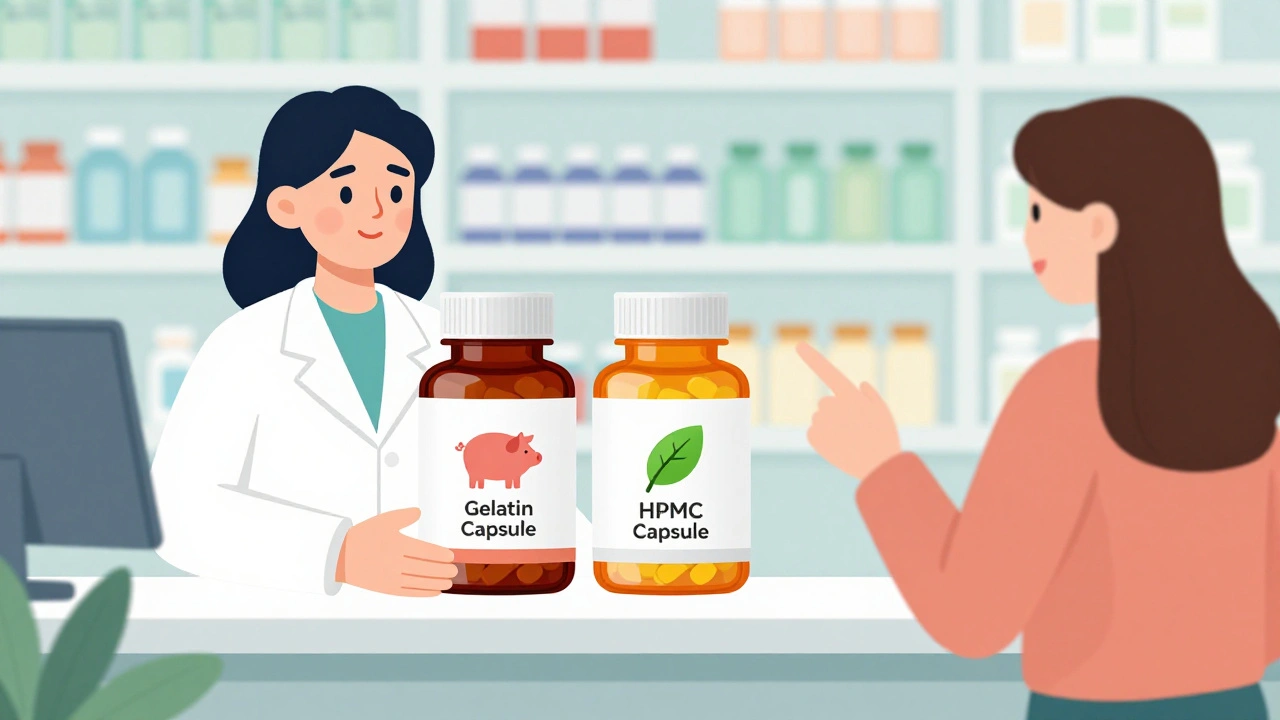
- Check the capsule type: If it’s a soft gel, assume it’s gelatin. Look for “vegetarian capsule” or “HPMC capsule” on the label. That’s plant-based cellulose.
- Look for vegan certifications: Some brands now carry a “Vegan Society” or “PETA-approved” logo. But don’t rely on that alone-check the ingredients list too.
- Use Pill Clarity: Formerly known as VeganMed, this platform now verifies and lists medications that are confirmed animal-free. Their database is updated regularly and includes both prescription and OTC drugs.
- Ask your doctor for alternatives: If you’re on Armour Thyroid and want to switch, ask about levothyroxine. If you’re on Premarin, ask about estradiol or phytoestrogen-based therapies. It’s not always easy, but it’s worth the conversation.
What’s Available? What’s Not?
Here’s a quick breakdown of what’s replaceable-and what isn’t:| Ingredient | Common Use | Animal Source | Vegan Alternative? |
|---|---|---|---|
| Gelatin | Capsules, gummies | Pig, cow, chicken bones/skin | Yes - cellulose (HPMC) capsules |
| Magnesium stearate | Tablet binder | Animal fat (often pork) | Yes - plant-based versions exist |
| Lanolin | Vitamin D3 | Sheep wool | Yes - algae-derived D3 |
| Stearic acid (E570) | Tablet coating | Cow, sheep, pig fat | Yes - synthetic or plant-based |
| Glycerin | Liquid meds, suppositories | Animal fat or plant oil | Yes - check source |
| Conjugated estrogens (Premarin) | Hormone therapy | Pregnant mare urine | Partially - synthetic estrogens available |
| Armour Thyroid | Thyroid replacement | Pig thyroid gland | No direct vegan equivalent |
| Heparin | Blood thinner | Pig intestines | No |
| Creon | Pancreatic enzymes | Pig pancreas | No |
Why Is This So Hard to Find Out?
Food labels have to list ingredients. Medications don’t. The FDA doesn’t require manufacturers to disclose whether an ingredient is animal-derived unless it’s an allergen. So “magnesium stearate” could be from a cow or a coconut. You’ll never know unless you dig. Pharmaceutical companies don’t advertise this because it’s not profitable to highlight. Most people don’t ask. And when they do, pharmacists often don’t have the data on hand. That’s why platforms like Pill Clarity exist-to fill the gap.What About Supplements?
Supplements are the worst offenders. A 2022 report from the Transparent Label Campaign found that 50% of supplements on the U.S. market contain hidden animal ingredients. Many are labeled “natural” or “organic,” which gives people false confidence. Vitamin D3? Almost always lanolin-based. Omega-3s? Usually fish oil. Collagen peptides? Made from cow or fish skin. Glucosamine? Typically from shellfish. But here’s the good news: vegan versions are everywhere now. Algae-based omega-3s, plant-derived collagen boosters, mushroom-based D3. You just have to look for them.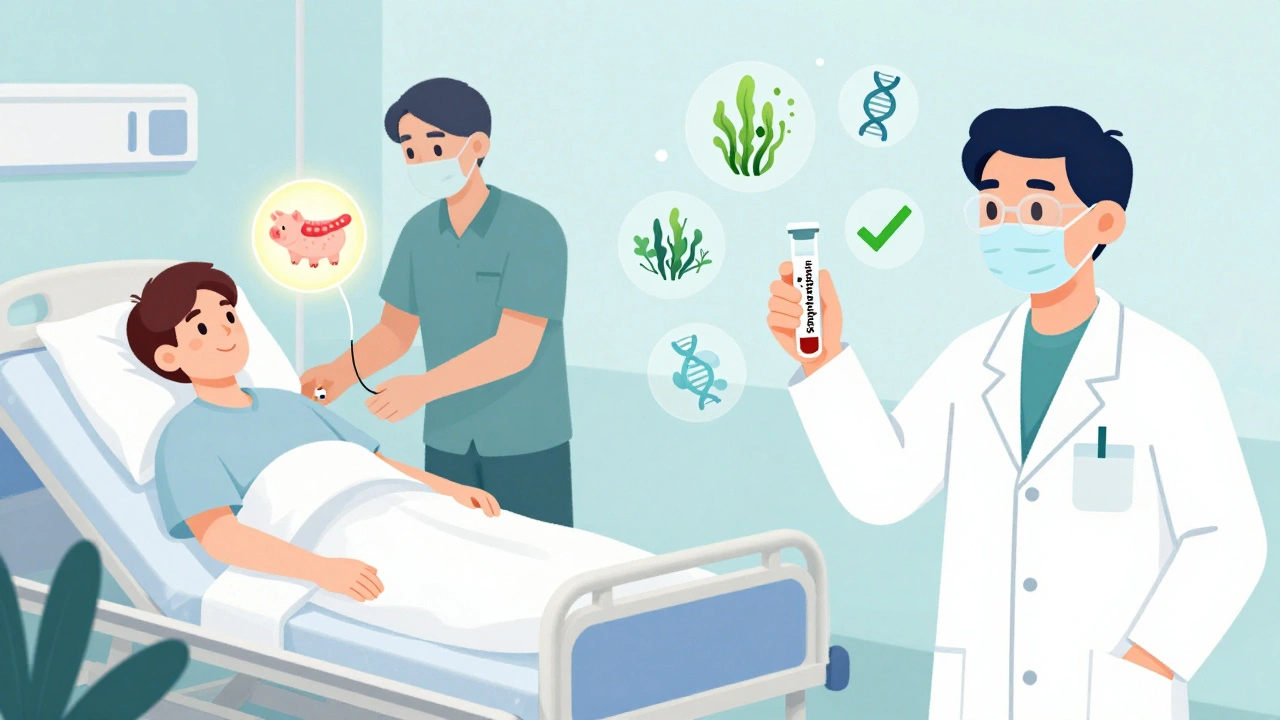
When You Can’t Avoid Animal Ingredients
Sometimes, there’s no choice. If you need heparin to prevent a blood clot, or Creon to digest food after pancreatic surgery, you may have to accept the animal-derived version. That doesn’t mean you give up your values. It means you make an informed decision. Talk to your doctor. Ask if there are any new developments. Some patients choose to use these medications while advocating for change-supporting research into synthetic alternatives. And remember: your health comes first. Ethical choices matter, but not at the cost of your life.Where to Find Reliable Information
- Pill Clarity (pillclarity.com): Verified list of animal-free medications and supplements. - PETA’s Animal-Derived Ingredients List: Free downloadable guide to common hidden ingredients. - Dr. Vegan: Offers plant-based D3 and detailed breakdowns of supplements. - The Viva Organization: Has an A-Z guide to hidden animal ingredients in medicine. Keep a printed copy of these lists in your wallet. Bring it to your next pharmacy visit.Final Thought: You’re Not Alone
More than 3% of U.S. adults identify as vegan-and that number is growing. Yet the pharmaceutical industry still operates like this is a niche concern. It’s not. Thousands of people contact Pill Clarity every month asking for help. You’re not being extreme. You’re being informed. You deserve to take medication that aligns with your values. And with the right questions, the right resources, and the right conversations, you can.Are all capsules made from gelatin?
No. About 90% of capsules are made from gelatin, but plant-based alternatives using hydroxypropyl methylcellulose (HPMC) are widely available. Look for labels that say “vegetarian capsule” or “HPMC.” These are vegan and just as effective.
Is Vitamin D3 always from sheep?
Most D3 supplements are made from lanolin, which comes from sheep’s wool. But plant-based D3 from algae is now widely available and just as effective. Always check the label-brands like Deva Nutrition, Garden of Life, and Doctor’s Best offer vegan D3.
Can I switch from Armour Thyroid to a vegan option?
Yes. Levothyroxine (Synthroid, Levoxyl) is a synthetic form of T4 hormone and contains no animal products. Many people do well on it. However, some patients report feeling better on Armour Thyroid. Talk to your doctor about trying levothyroxine and monitoring your symptoms.
Why don’t drug labels say if something is animal-derived?
The FDA doesn’t require it. Ingredients are listed by chemical name, not source. So “magnesium stearate” could come from a cow or a coconut. Only the manufacturer knows. That’s why you need to ask your pharmacist or check databases like Pill Clarity.
Are there vegan alternatives to heparin or Creon?
Currently, no. Heparin is derived from pig intestines and has no vegan substitute. Creon is made from pig pancreas and is essential for people with pancreatic insufficiency. Research into synthetic alternatives is ongoing, but nothing is approved yet. In these cases, the medical need outweighs the ethical concern-but you can still advocate for change.
How do I know if a supplement is truly vegan?
Look for third-party certifications like the Vegan Society logo or PETA’s “Vegan” label. But don’t rely on them alone. Check the ingredient list for hidden animal derivatives: gelatin, magnesium stearate, lanolin, glycerin, shellfish-derived glucosamine. When in doubt, contact the manufacturer directly.
Haley P Law
December 9, 2025 AT 00:50Carina M
December 10, 2025 AT 00:59Ajit Kumar Singh
December 10, 2025 AT 14:18Lisa Whitesel
December 11, 2025 AT 05:12Larry Lieberman
December 12, 2025 AT 05:34Courtney Black
December 12, 2025 AT 17:41iswarya bala
December 14, 2025 AT 04:10Tim Tinh
December 15, 2025 AT 00:34Asset Finance Komrade
December 16, 2025 AT 03:48Lauren Dare
December 17, 2025 AT 12:40