Medication Safety for Pain Management: Minimizing Opioid Risks in 2026
 Jul, 31 2026
Pain is one of the most common reasons people visit a doctor. For years, the go-to solution was often an opioid prescription. But as we move through 2026, the landscape has shifted dramatically. The old approach of "just take more pills" is gone, replaced by a complex web of new rules, stricter limits, and a heavy focus on keeping patients safe from addiction and overdose.
If you are a patient or a caregiver, these changes can feel confusing. Why did my prescription get cut short? Why does my doctor need to run extra tests? The answer lies in medication safety. This isn't just about bureaucracy; it's about saving lives while still treating your pain effectively. Let's break down what these new rules mean for you, how they work, and what you can do to stay safe.
The New Rules: What Changed in 2025 and 2026?
You might have noticed that getting an opioid prescription feels different now. That’s because major health organizations like the Centers for Disease Control and Prevention (CDC) and the Food and Drug Administration (FDA) updated their guidelines significantly in early 2025. These updates were driven by hard data. In the twelve months leading up to mid-2024, nearly 108,000 Americans died from drug overdoses. Most of those involved synthetic opioids.
The core change is a tighter grip on dosage and duration. Here is what you need to know:
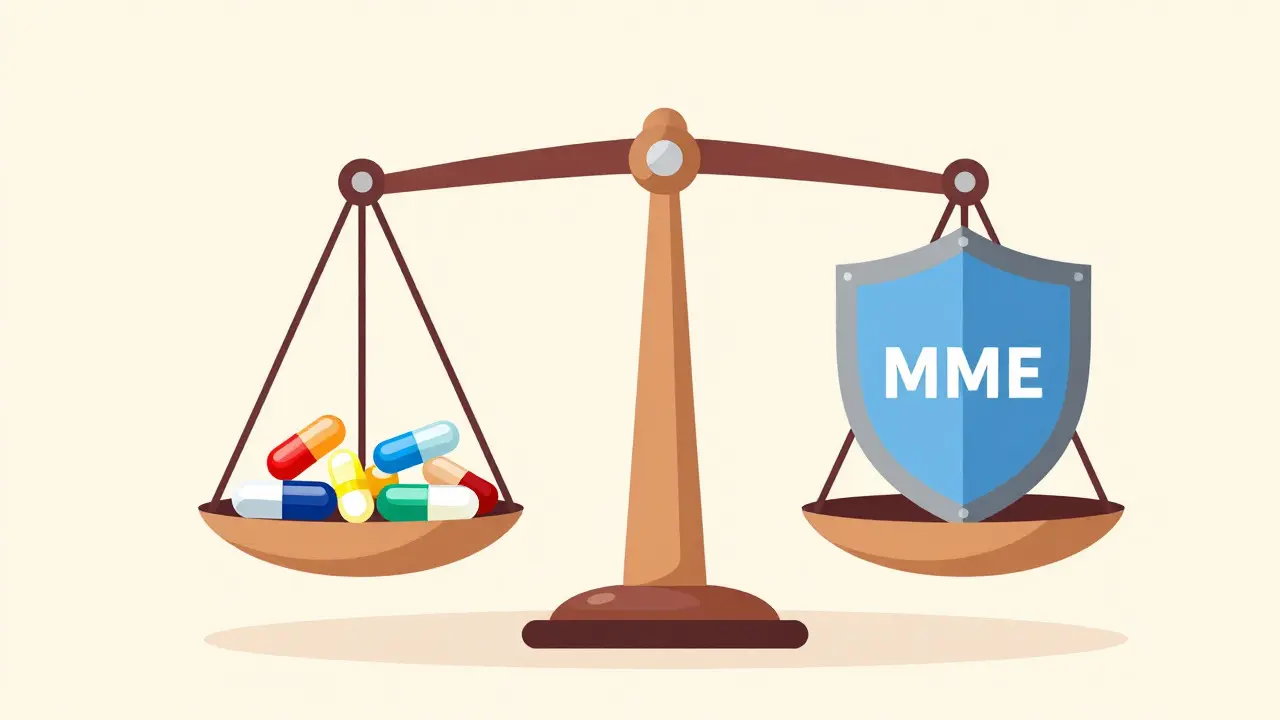
- Dosage Limits: Doctors are now warned to be very careful when doses reach 50 morphine milligram equivalents (MME) per day. At this level, your risk of overdose jumps by almost three times compared to lower doses. Doses above 90 MME per day should generally be avoided unless you are in palliative care or treating cancer pain.
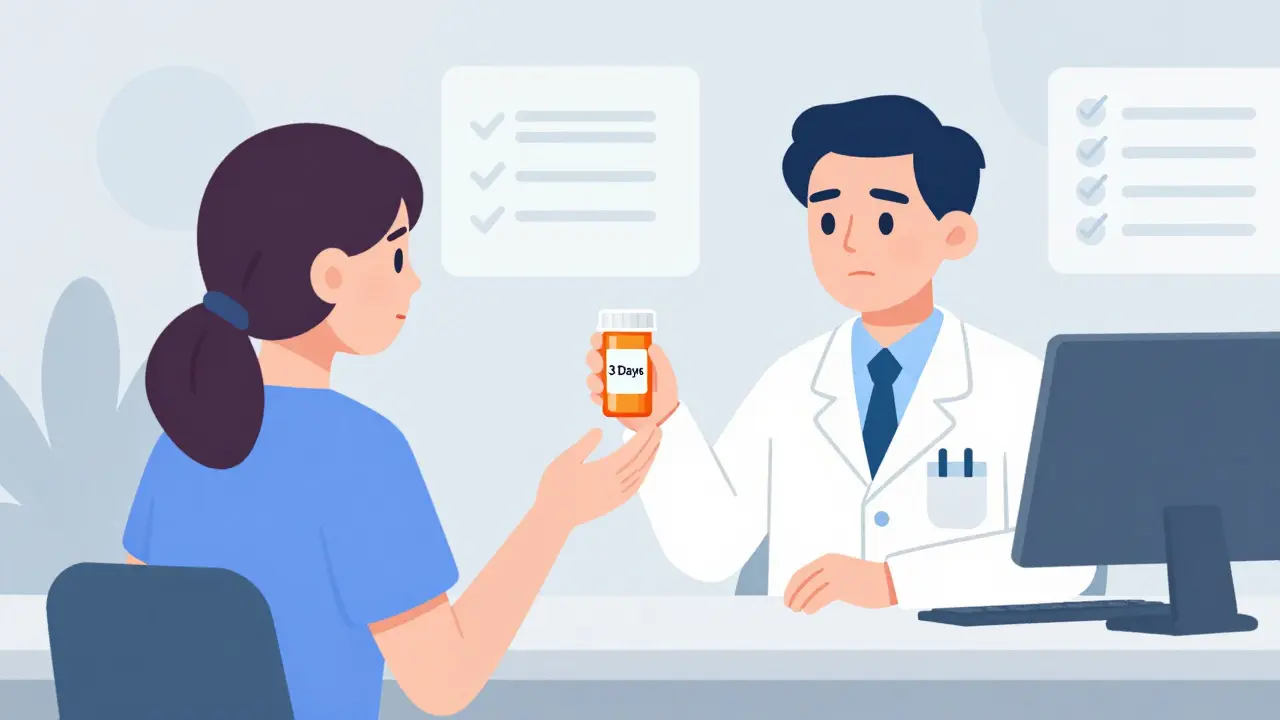
- Shorter Prescriptions: For acute pain-like after surgery or an injury-the standard initial prescription is now capped at three days. It can be extended to seven days only if there is a strong clinical reason. This is a big shift from the past, where seven-day supplies were common.
- Insurance Checks: Starting January 2025, Medicare Part D plans had to implement "hard safety edits." This means if you try to fill a new opioid prescription that exceeds certain limits, the pharmacy system may automatically flag or block it until your doctor reviews it.
These rules apply to outpatients aged 18 and older with non-cancer pain. If you are dealing with sickle cell disease, cancer, or end-of-life care, these specific limits usually don’t apply, but your care team will still monitor you closely.
Understanding MME: The Math Behind Your Prescription
You’ve probably heard the term "MME" thrown around. It stands for Morphine Milligram Equivalents. It’s a way for doctors to compare different opioid drugs so they can see the total amount of opioid you are taking.
For example, 30 mg of oxycodone is roughly equal to 30 MME. But 15 mg of hydromorphone is also about 30 MME. Without this conversion, it’s easy to lose track of how much opioid is actually in your system, especially if you are taking multiple medications.
| Medication | Dose (mg) | MME Equivalent |
|---|---|---|
| Oxycodone | 10 | 15 |
| Hydrocodone | 10 | 10 |
| Morphine | 15 | 15 |
| Hydromorphone | 4 | 20 |
| Fentanyl Patch | 25 mcg/hr | 24 |
Why does this matter? Because the FDA’s new labeling requires clear warnings about risks increasing by 1.7 times for every 20 MME increase above 50 MME/day. Knowing your MME helps you have a more informed conversation with your doctor about whether the benefits outweigh the risks.
Beyond Pills: Multimodal Pain Management
The biggest shift in 2026 isn't just about limiting opioids-it's about replacing them. The goal is "multimodal pain management." This means using a combination of treatments to attack pain from different angles, rather than relying on one strong drug.
Think of it like a toolbox. Instead of using a sledgehammer (opioids) for every job, you use a screwdriver, a wrench, and maybe some glue. Here are the main tools in this new toolbox:
- Non-Opioid Medications: NSAIDs (like ibuprofen or naproxen) and acetaminophen are growing in popularity. They help reduce inflammation and block pain signals without the high risk of addiction.
- Physical Therapy: Movement is medicine. Strengthening muscles and improving flexibility can reduce chronic pain long-term.
- Cognitive Behavioral Therapy (CBT): Pain affects your brain. CBT helps change how you perceive and react to pain, reducing the suffering associated with it.
- Interventional Procedures: Nerve blocks or injections can target specific pain sources directly.
- Emerging Therapies: CBD-based products and other novel therapies are seeing rapid growth, though you should always check with your doctor before starting them.
Studies show that practices offering these alternatives prescribe 40-50% fewer opioids while keeping pain control just as effective. If your doctor suggests physical therapy or CBT alongside medication, they aren't dismissing your pain-they are following the best current science to keep you safe.

What Patients Need to Do: Staying Safe and Proactive
With all these new rules, it’s easy to feel like you’re being policed. But think of it as a partnership. Your doctor has to document a lot more now, and insurance companies are checking more closely. Here is how you can make the process smoother and safer for yourself:
- Keep a Medication List: Write down every pill, supplement, and over-the-counter drug you take. Bring this list to every appointment. This helps your doctor calculate your true MME and avoid dangerous interactions.
- Expect Regular Check-ins: If you are on long-term opioids, expect urine drug screens at least quarterly. This isn't because your doctor doesn't trust you; it’s a safety requirement to ensure you are taking the medication as prescribed and not mixing it with other substances.
- Use One Pharmacy: Try to fill all your prescriptions at the same pharmacy. This makes it easier for pharmacists to spot potential conflicts and for PDMPs (Prescription Drug Monitoring Programs) to give a clear picture of your usage.
- Communicate Openly: If your pain isn't controlled, say so. Don't just suffer in silence. Ask about non-opioid options. If you are worried about tapering off opioids, ask for a slow, gradual plan. Rapid tapering can lead to severe withdrawal and even increased suicide risk, so doctors are now advised to go slowly.
- Know the Signs of Overdose: Keep naloxone (Narcan) nearby if you are on higher doses. Make sure your family knows how to use it. It’s a simple spray that can reverse an overdose and save a life.
The Challenges Ahead
While these guidelines are designed to help, they aren't perfect. Some patients report feeling abandoned when their prescriptions are abruptly stopped. The U.S. Pain Foundation found that 7-10% of long-term patients faced sudden discontinuations, leading to emergency room visits for uncontrolled pain.
Doctors are also struggling. The paperwork required to justify doses above 50 MME takes hours out of their week. And there is a shortage of pain specialists, especially in rural areas. If you live in a region without a dedicated pain clinic, access to these comprehensive multimodal treatments might be harder.
Despite these hurdles, the trend is clear. By 2027, experts predict that 65% of acute pain episodes will be managed without opioids. The focus is shifting from simply numbing the pain to treating the whole person. It’s a slower, more involved process, but it offers a safer path forward for everyone.
How many days of opioids should I get for acute pain?
According to the 2025 CDC guidelines, the standard initial prescription for acute pain is capped at three days. It can be extended to seven days only if your doctor determines it is clinically necessary. This is a significant reduction from previous standards to minimize the risk of long-term use.
What is the maximum safe dose of opioids?
There is no single "safe" dose for everyone, but guidelines suggest caution at 50 morphine milligram equivalents (MME) per day. Doses reaching or exceeding 90 MME per day should be avoided unless absolutely necessary, such as in cancer care or palliative treatment. Always discuss your specific risk factors with your doctor.
Will my insurance cover non-opioid pain treatments?
Most insurance plans, including Medicare, cover non-opioid treatments like physical therapy, cognitive behavioral therapy, and NSAIDs. Since insurers are now incentivized to reduce opioid prescribing due to new safety edits, they often encourage these alternative therapies. Check with your specific provider for details.
Do these rules apply to cancer patients?
Generally, no. The strict MME limits and duration caps for acute pain typically exclude patients with active cancer treatment, palliative care, or end-of-life circumstances. However, your care team will still monitor your dosage carefully to manage side effects and risks.
What should I do if my pain isn't controlled by the new limits?
Talk to your doctor immediately. Don't suffer in silence. Ask about adding non-opioid medications, physical therapy, or interventional procedures. If you are on long-term opioids, discuss a gradual tapering plan if needed, rather than stopping abruptly, which can be dangerous.