OTC Antacids with Antibiotics: Reduced Absorption and Efficacy Explained
 Mar, 27 2026
Why Your Heartburn Relief Might Be Sabotaging Your Antibiotic Treatment
If you've ever taken an over-the-counter antacid like Tums or Maalox while also using an antibiotic prescription, you might have unknowingly created a serious problem. These common heartburn remedies can reduce how well your body absorbs certain antibiotics by up to 90 percent in some cases. This isn't just theoretical-it means treatment failures, persistent infections, and even contributing to antibiotic resistance when the timing isn't managed correctly.
The issue becomes particularly important because approximately 15 million Americans use OTC antacids weekly while over 250 million antibiotic prescriptions are written annually. When these two common medication types meet without proper spacing, the results can be disappointing for both patients and healthcare providers.
The Science Behind Antacid-Antibiotic Interactions
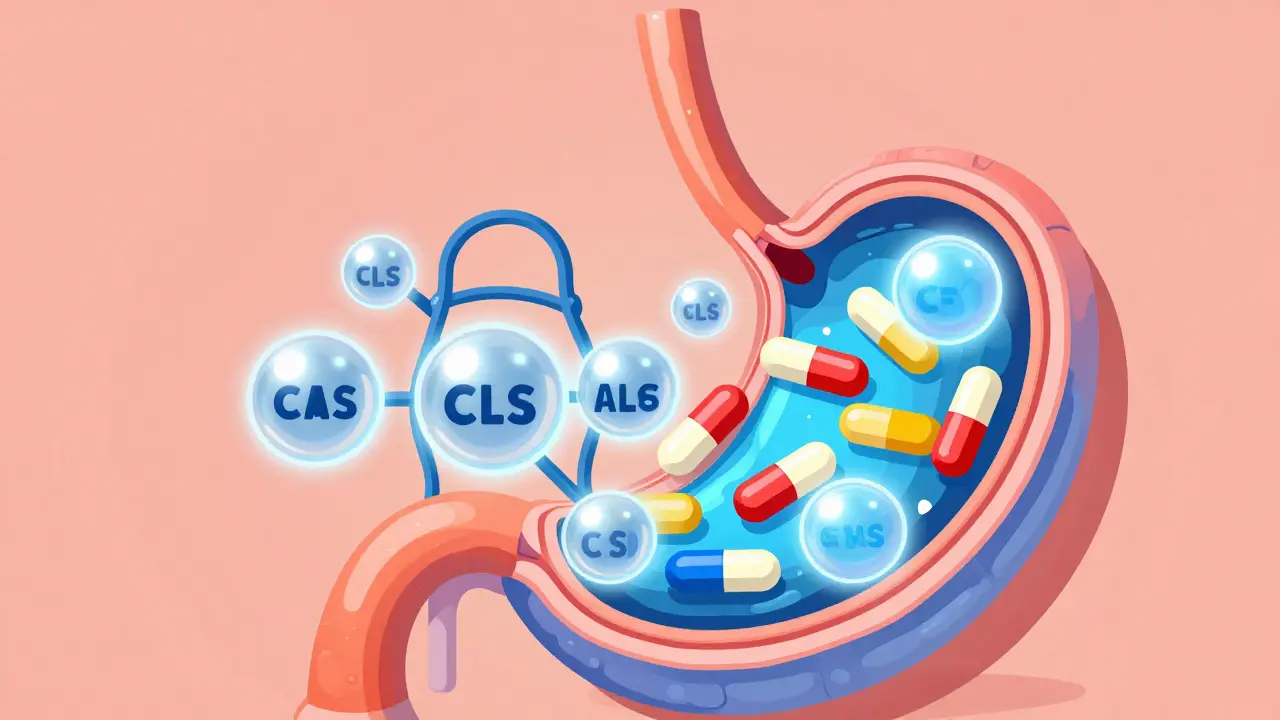
Antacids are over-the-counter medications that neutralize stomach acid, containing metal ions like aluminum, magnesium, and calcium. When these come into contact with certain antibiotics in your digestive system, they form insoluble complexes through a process called chelation. Think of it like locking the antibiotic molecules in a cage-your body can no longer absorb them effectively into your bloodstream.
This chemical binding doesn't happen with every antibiotic, but it's critically significant for two major classes. Tetracyclines include tetracycline and doxycycline, widely used for acne, respiratory infections, and Lyme disease. Studies show aluminum-containing antacids can reduce tetracycline absorption by 70-90 percent, essentially rendering the medication useless if taken together.
Fluoroquinolones represent the second vulnerable class. Common names include Ciprofloxacin and Levofloxacin, frequently prescribed for urinary tract infections and bacterial pneumonia. Research from NIH StatPearls (2023) documents ciprofloxacin bioavailability dropping from 70 percent to just 15-25 percent when combined with aluminum-based antacids.
Which Antacids Pose the Biggest Risk?
Not all antacids interact equally with antibiotics. The metal content matters most. Here's what you're actually taking:
| Active Ingredient | Common Brands | Interaction Severity | Typical Dose |
|---|---|---|---|
| Aluminum Hydroxide | Baking soda blends, Maalox | High (70-90% reduction) | 10-20% concentration |
| Magnesium Hydroxide | Milk of Magnesia, Phillips | High (50-75% reduction) | 8-12% concentration |
| Calcium Carbonate | Tums, Rolaids | Moderate-High (40-60% reduction) | 200-1,200 mg per dose |
| Sodium Bicarbonate | Baking soda | Varying effects | 500-1,000 mg per dose |
| Combination Products | Mylanta, Gaviscon | Highest risk (multiple metals) | Multiple compounds per dose |
Products like Maalox and Mylanta contain multiple metal ions, making them particularly problematic. Combination antacids with aluminum hydroxide 200 mg plus magnesium hydroxide 200 mg per 5 mL represent the highest-risk formulations. If you must use an antacid while on antibiotics, single-ingredient products pose less interference potential than multi-metal combinations.
Real Consequences: Beyond Just Lowered Absorption
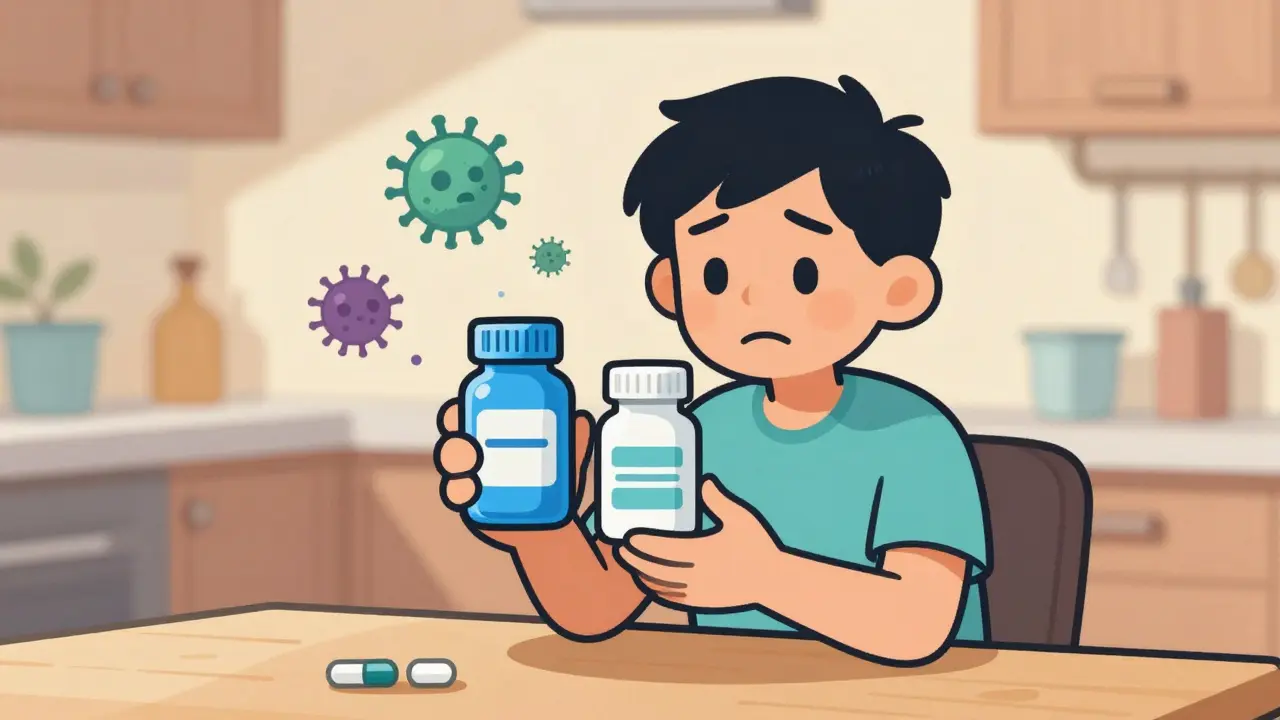
A 2024 case study from University Hospitals documented a patient experiencing recurrent urinary tract infections who failed multiple courses of ciprofloxacin. The root cause turned out to be concurrent use of Tums (calcium carbonate). Urine cultures showed persistent bacterial growth until the antacid-antibiotic timing was corrected. This illustrates why understanding this interaction matters beyond theoretical pharmacokinetics.
Dr. John Dumot, digestive health specialist at University Hospitals, stated in March 2024 that frequent antacid use with antibiotics can lead to subtherapeutic antibiotic levels, potentially causing treatment failure and antibiotic resistance development. The CDC identifies antibiotic treatment failures as causing over 35,000 deaths annually in the U.S., making proper administration protocols critical for public health.
The clinical picture extends beyond individual treatment failures. A 2023 meta-analysis showed 37 percent higher treatment failure rates for infections when antibiotics were improperly co-administered with antacids compared to appropriately timed administration. That's roughly one-third more people whose infections won't clear properly due to simple timing issues.
Timing Protocol: The 2-to-4 Hour Rule
The most practical solution requires separating your doses. Current medical guidelines universally recommend separating antacid and antibiotic administration by at least 2-4 hours to maintain therapeutic antibiotic levels. However, this varies by antibiotic class:
- Tetracyclines: Minimum 2 hours before OR 4-6 hours after antacid administration
- Fluoroquinolones: At least 4 hours before OR 6 hours after antacid administration
- Doxyycycline: 30-50 percent absorption reduction-consider alternative acid reducers during treatment
- Levofloxacin: 25-40 percent reduction requiring careful timing management
Pharmacists play a crucial role here. According to StatPearls resources, pharmacists encounter patients in retail pharmacies who can receive direct counseling about advantages and pitfalls of antacid therapy. Ask your pharmacist specifically about interaction risks-they see thousands of medication combinations daily and know which ones demand extra vigilance.
The University Hospitals guide (March 2024) emphasized that before relying on antacids to treat symptoms, evaluation by a healthcare provider is essential especially when antibiotics are prescribed. Many patients remain unaware-only 32 percent of OTC antacid users knew about potential antibiotic interactions despite this being listed in medication guides according to a 2022 consumer survey.

Alternative Strategies During Antibiotic Courses
When you absolutely need acid relief while completing an antibiotic course, consider switching to non-interacting options. H2-receptor antagonists like famotidine (Pepcid) generally cause fewer direct antibiotic interactions, though they work differently than traditional antacids. They reduce stomach acidity without containing metal ions that chelate antibiotics.
Proton pump inhibitors (PPIs) like omeprazole present another option. While they reduce stomach acidity more profoundly than traditional antacids, they don't contain metal ions that directly bind antibiotic compounds. The tradeoff? PPIs take 1-4 hours to reach full effect compared to 1-5 minutes for immediate antacid relief.
For short-term acid symptom management during a 7-14 day antibiotic course, many doctors will recommend famotidine instead. This requires healthcare provider consultation but avoids the complex timing requirements entirely. One study found that proper timing education alone reduced treatment failure rates by 28 percent in patients requiring both therapy types.
Penicillins like amoxicillin show variable effects depending on antacid composition. Some studies document 18-22 percent bioavailability decrease when co-administered with aluminum-magnesium hydroxide antacids, while other research found no significant impact on amoxicillin-clavulanic acid absorption. This variability emphasizes why professional consultation matters-don't guess based on general rules.
Special Populations Who Need Extra Vigilance
Elderly patients face heightened risk. They typically take more medications simultaneously, creating complex interaction profiles. StatPearls specifically notes that antacids should be used cautiously in high-risk populations, particularly elderly patients on multiple medications who may not recognize the importance of proper timing. Pill boxes that separate morning afternoon evening doses help prevent accidental co-administration.
Pregnancy presents another consideration. While many pregnancy-related conditions require both acid management and infection treatment, safety data remains limited. Always consult obstetric care providers who understand both maternal-fetal medicine and antimicrobial stewardship principles.
Patients with compromised kidney function deserve special attention. Antacids containing aluminum can accumulate in patients with renal impairment, creating additional toxicity concerns beyond antibiotic absorption issues.
Can I take my antacid right before bed if I take antibiotics in the morning?
Yes, this works perfectly fine. If you take your antibiotic at 7 AM and your antacid at 10 PM, that creates a comfortable 15-hour separation window. Even a 2-hour minimum gap works, so morning-evening scheduling easily meets requirements.
Does food affect antacid-antibiotic interactions?
Food changes absorption patterns for both medications independently. Calcium-rich foods like milk can create similar binding effects as calcium-based antacids. Best practice involves taking affected antibiotics on an empty stomach regardless of antacid use, then managing antacid timing separately.
Will liquid vs. tablet antacid forms make a difference?
Liquid formulations often contain higher concentrations of active ingredients per milliliter. Tablets provide slower dissolution but equal total metal ion exposure. The key factor is total metal content consumed, not physical form.
Are natural antacids safer with antibiotics?
Ginger tea or baking soda solutions still contain alkalizing agents affecting stomach pH. Natural doesn't mean interaction-free. Commercial products have tested dosing, but DIY remedies lack quality control and predictable interaction profiles.
Should I tell my doctor if I regularly take antacids?
Absolutely. Regular antacid use affects medication planning, blood chemistry, and nutrient absorption. Healthcare providers need complete medication histories including OTC products for safe prescribing decisions.
Action Steps for Safe Medication Management
Set calendar alerts on your phone for each dose time, including antacid reminders. Label bottles with specific instructions about spacing requirements rather than generic "take as needed" directions. When filling new antibiotic prescriptions, ask the pharmacist specifically about known interactions with your regular medications including supplements and vitamins containing minerals.
If breakthrough heartburn occurs despite timing precautions, keep a symptom diary tracking severity, triggers, and whether famotidine alternatives provided adequate relief without interfering with your antibiotic course. Share this information with your prescribing physician-they can adjust long-term acid management strategies accordingly.
Remember that FDA-mandated labeling changes in 2019 required clearer warnings about antibiotic interactions on OTC antacid packaging, yet compliance monitoring found only 67 percent of major brands fully implemented these changes by 2022. Don't rely solely on package warnings-verify timing protocols directly with your pharmacist or healthcare provider.
Sophie Hallam
March 29, 2026 AT 07:50Thanks for sharing this information about spacing out medications properly.
gina macabuhay
March 31, 2026 AT 05:04Honestly most adults are too lazy to read the bottle warnings anyway.
Society expects everyone to memorize pharmacokinetics but nobody bothers to check interaction databases. It is truly disappointing to see such basic health literacy ignored repeatedly.
Monique Louise Hill
March 31, 2026 AT 15:00You make a valid point regarding negligence! 🙄 People ignore safety guidelines constantly!
Health literacy remains sadly low among general populations 👎💊
Sarah Klingenberg
March 31, 2026 AT 15:17Everyone should really pay attention to this stuff because timing matters so much.
Many people think they can just pop a pill whenever they feel heartburn without thinking.
But the stomach acid environment plays a huge role in how drugs work properly.
If you bind up the medicine with metal ions you lose effectiveness completely.
I remember reading about patients who failed treatment because of simple antacid use.
It is really frustrating when infections do not clear up after weeks of trying.
You end up needing stronger antibiotics later which causes more resistance issues.
We need to spread awareness about these interactions in our communities too.
Pharmacists usually know this but not every patient asks the right questions during pickup.
Taking notes in your phone helps track dose times effectively.
Spacing things out by four hours gives your body the best chance to absorb correctly.
Some brands contain multiple metals which makes the risk even higher than single ingredient types.
Checking the label active ingredients list takes only a few seconds of reading time.
Prevention is always better than dealing with persistent infection symptoms later on.
Doctors recommend famotidine sometimes instead of traditional chalky tablets during courses.
Always talk to your provider if you struggle with chronic reflux issues while medicated.
Small changes in routine prevent massive health complications down the road.
Shawn Sauve
April 1, 2026 AT 21:54Good reminder to check labels carefully before taking anything together.
walker texaxsranger
April 3, 2026 AT 03:51pharmaceutical corporations manipulate absorption data to push higher dosage prescriptions while suppressing natural gastric ph function understanding requires looking past clinical trial parameters designed by big pharma
Debra Brigman
April 4, 2026 AT 19:21The intersection of modern convenience medication habits reveals deep societal neglect toward bodily autonomy management strategies.
We live in an era where rapid symptom suppression eclipses holistic chemical integration processes essential for true homeostasis maintenance.
Aaron Olney
April 6, 2026 AT 14:50this is scarry when u forget to separate them and get sick agin i had it happen and nearly died so plz listen
Jordan Marx
April 8, 2026 AT 08:27Bioavailability metrics shift significantly when pH levels change within the gastric lumen environment.
You need separation windows to maintain therapeutic serum concentrations otherwise systemic delivery fails.
Chelation complexes form rapidly between tetracyclines and polyvalent cations found in common neutralization agents.
Sabrina Herciu
April 9, 2026 AT 12:44Did you know calcium carbonate blocks bioavailability??? Absolutely critical information!!!
Most people ignore these vital details until it is too late!!!
Please share this thread widely!!!!