Preventing Adverse Drug Reactions with Pharmacogenetic Testing
 Mar, 13 2026
Every year, hundreds of thousands of people end up in hospitals not because of their original illness, but because of a reaction to a medication they were prescribed. It’s not rare. It’s not an accident. It’s often predictable - and preventable. That’s where pharmacogenetic testing comes in. This isn’t science fiction. It’s happening now, in hospitals across Europe, the U.S., and increasingly in New Zealand and other parts of the world. By looking at your genes before you take a drug, doctors can avoid reactions that could land you in the ER - or worse.
What Are Adverse Drug Reactions, Really?
An adverse drug reaction (ADR) isn’t just a rash or upset stomach. It’s a serious, sometimes life-threatening response to a medication. Think Stevens-Johnson syndrome from carbamazepine, or life-threatening bone marrow suppression from azathioprine. These aren’t side effects you can just ‘tough out.’ They require emergency care, long hospital stays, and sometimes lead to permanent damage or death. The scary part? Most of these reactions happen in people who had no idea they were at risk. No prior history. No warning signs. Just a pill, a few days later, and everything changes. Traditional medicine tries to catch these reactions after they happen - through monitoring, blood tests, and trial-and-error dosing. But that’s like locking the barn after the horse is gone. Pharmacogenetic testing flips that model. Instead of waiting for harm, it prevents it before the first dose.How Pharmacogenetic Testing Works
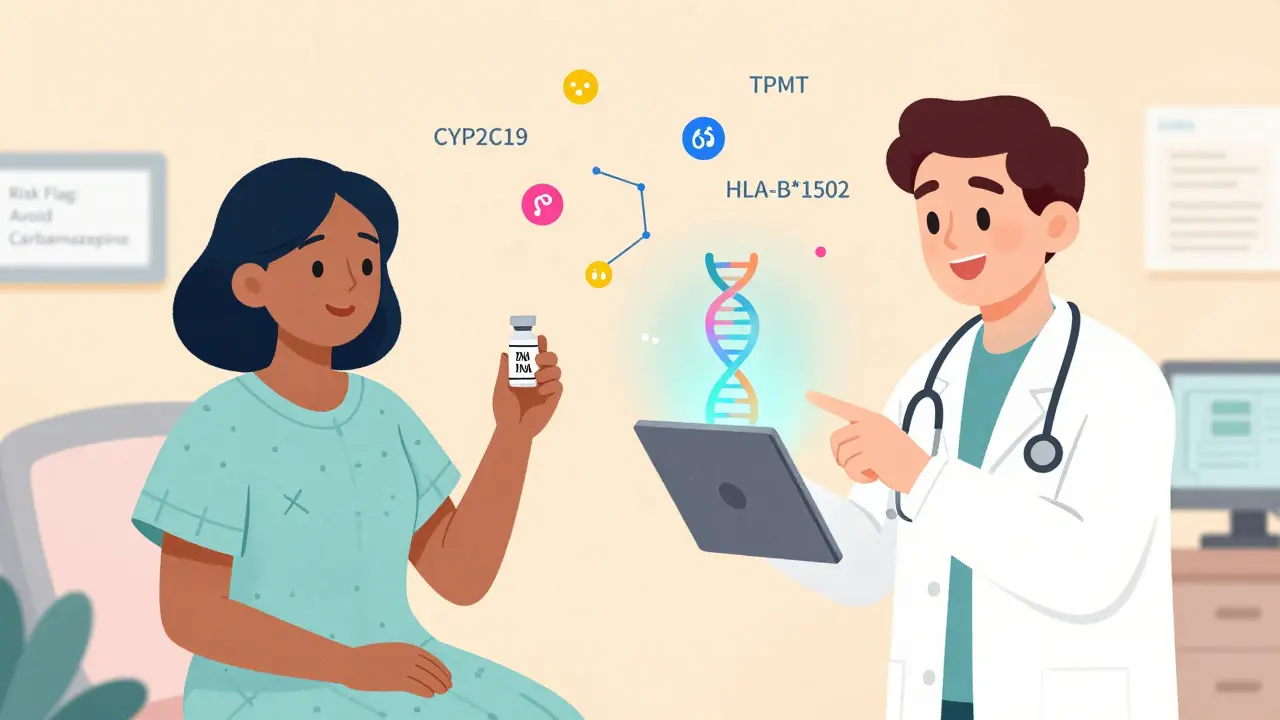
Your genes control how your body processes drugs. Some people break down medications fast. Others barely touch them. A few can’t process them at all. These differences aren’t random. They’re written in your DNA. Pharmacogenetic testing looks at specific genes that affect how drugs are absorbed, metabolized, or activated in your body. The most important ones include:- CYP2C19 - affects clopidogrel (Plavix), antidepressants, and proton pump inhibitors
- CYP2D6 - impacts codeine, tramadol, and many antidepressants
- TPMT - critical for azathioprine and mercaptopurine (used in cancer and autoimmune diseases)
- HLA-B*1502 - a genetic marker that nearly guarantees severe skin reactions to carbamazepine in people of Asian descent
- SLCO1B1 - determines statin tolerance and risk of muscle damage
The Evidence: It Works
In 2023, the largest study of its kind - the PREPARE trial - published results in The Lancet. Over 7,000 patients across seven European countries were tested before starting common medications. The result? A 30% drop in serious adverse drug reactions. That’s not a small improvement. That’s life-changing. The study didn’t just test one gene. It used a 12-gene panel covering over 100 commonly prescribed drugs. And here’s the kicker: 93.5% of participants had at least one gene variant that changed how they should take a medication. That means almost everyone has a hidden risk - if you don’t test. Real-world results are just as powerful. At the University of Florida Health system, which has been doing preemptive testing since 2012, emergency visits for drug reactions dropped by 75%. In psychiatric care, patients on genotype-guided treatment saw a statistically significant drop in side effects within three months. And it’s not just about safety. It’s about effectiveness. A patient who’s a poor metabolizer of clopidogrel won’t get the heart protection they need - until their doctor knows to switch them to a different drug. That’s not guesswork. That’s precision.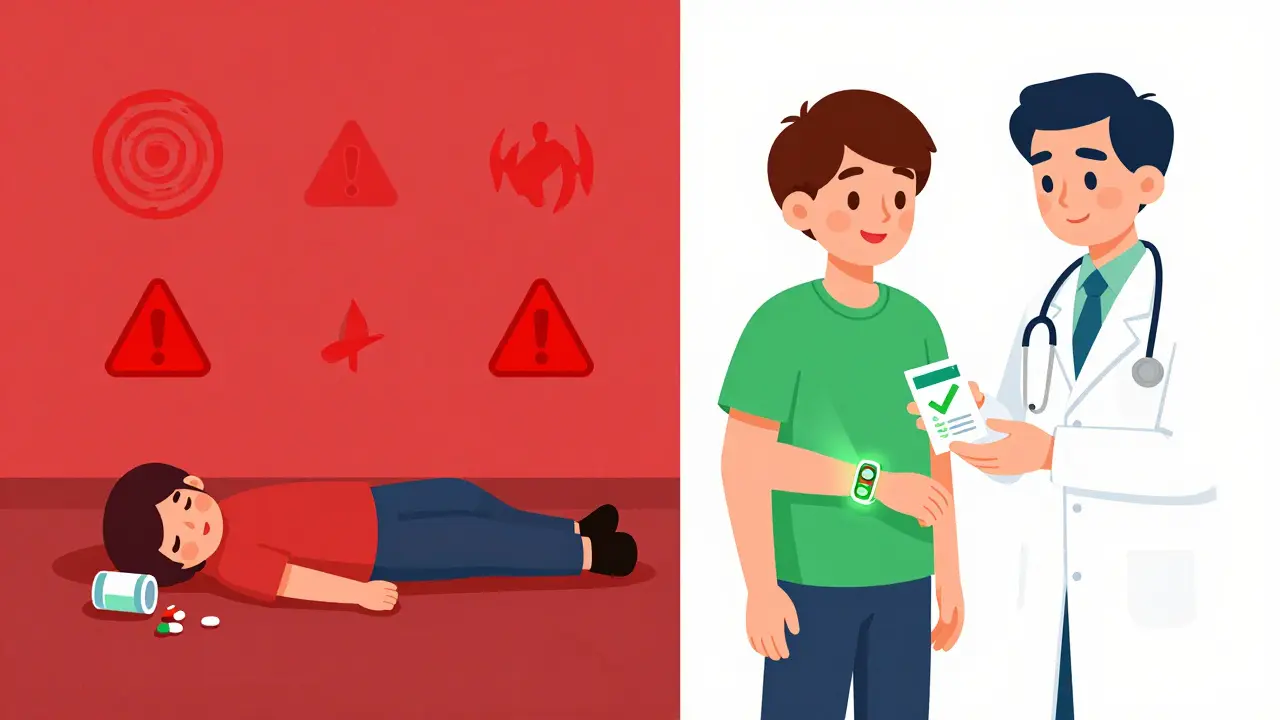
Who Benefits the Most?
Some groups see the biggest gains:- Patients on multiple medications - polypharmacy increases the chance of dangerous gene-drug clashes
- Cancer patients - drugs like 5-FU and azathioprine have well-documented gene risks
- People with psychiatric conditions - antidepressants and antipsychotics are metabolized by CYP2D6 and CYP2C19, and poor metabolism leads to toxicity or treatment failure
- Those of Asian ancestry - HLA-B*1502 is common in this group, and carbamazepine can be deadly without testing
Cost and Accessibility
A full pharmacogenetic panel costs between $200 and $500 in the U.S. In New Zealand, public health systems are starting to cover it for high-risk cases - like before prescribing thiopurines or clopidogrel. Private testing is available too, and prices are falling fast. The real cost isn’t the test. It’s what happens when you don’t do it. ADRs cost the NHS £500 million a year in avoidable hospital admissions. In the U.S., they’re responsible for 7% of all hospitalizations. When you factor in lost work, long-term care, and emergency treatment, the savings from testing are clear. A 2021 review of 59 studies found that 78% of pharmacogenetic testing programs paid for themselves - and then some. The return on investment? Often under 18 months. New technology is making this even more affordable. Point-of-care PCR tests are being tested right now. By 2026, some could cost as little as $50 - and deliver results in under an hour.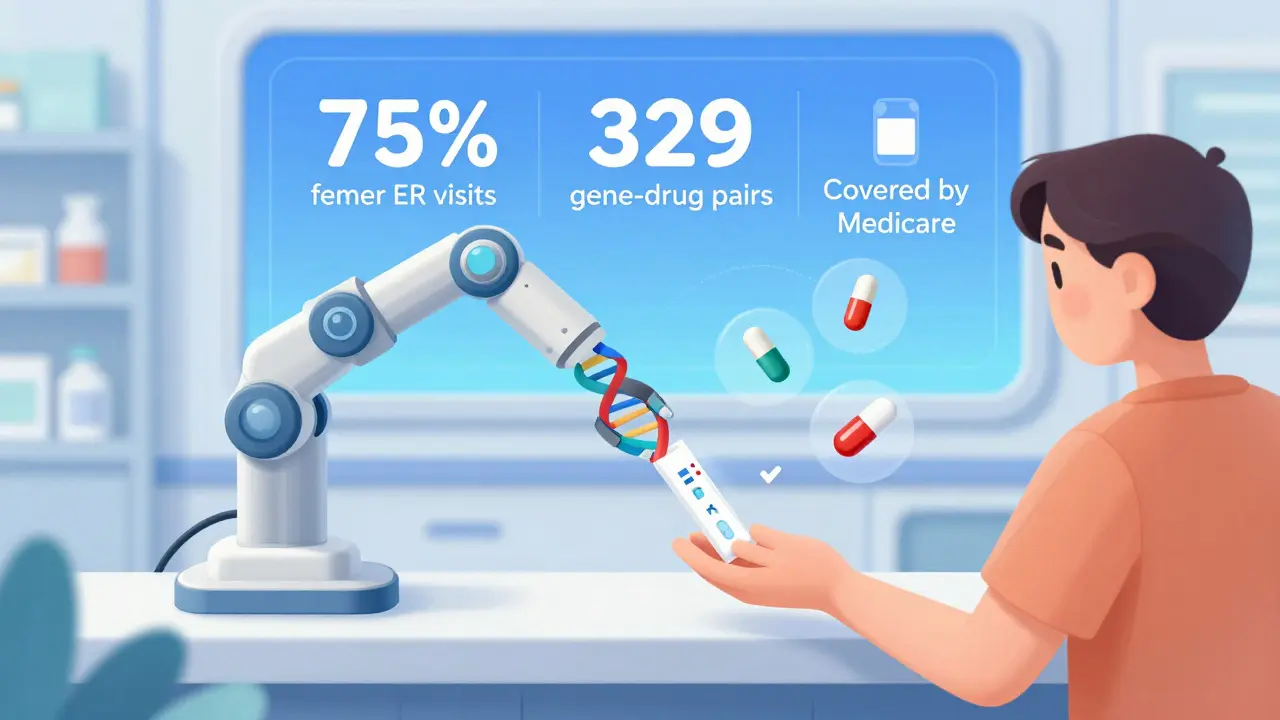
Challenges and Limitations
It’s not perfect. There are real hurdles. First, doctors need to understand the results. A 2022 survey found only 37% of physicians felt confident interpreting pharmacogenetic reports. That’s why training is critical. Clinical guidelines from the Clinical Pharmacogenetics Implementation Consortium (CPIC) help - they give clear instructions: “If gene X = variant Y, then avoid drug Z or reduce dose by 50%.” Second, not all genes are equally well understood. Some variants have strong evidence. Others? Still being studied. That’s why testing panels are updated quarterly. The FDA now lists 329 gene-drug pairs - up from 287 just two years ago. Third, diversity matters. Most genetic data comes from European populations. But genes vary across ethnic groups. Recent research from the NIH added 126 new variant-drug links from African and Indigenous populations. Without this, testing could miss risks or give false reassurance. And then there’s privacy. About one-third of people worry about how their genetic data will be used. That’s why secure, HIPAA- and GDPR-compliant systems are non-negotiable.What’s Next?
The future isn’t just about single genes. Researchers are now building polygenic risk scores - combining dozens of small genetic effects to predict how someone will respond to a drug. Early studies show these models are 40-60% more accurate than single-gene tests. The European Commission is investing €150 million to roll out preemptive testing nationwide by 2027. In the U.S., 87% of academic medical centers plan to offer it by next year. Even Medicare now covers testing for specific high-risk pairs like CYP2C19 and TPMT. The goal? To make pharmacogenetic testing as routine as a blood pressure check - before the first prescription is written.What You Can Do
If you’re on multiple medications, have had a bad reaction before, or are about to start a new drug - ask your doctor about pharmacogenetic testing. It’s not experimental. It’s not optional. For many, it’s the difference between healing and harm. You don’t need to be a cancer patient or have a rare condition. If you take antidepressants, statins, painkillers, or blood thinners - you could benefit. The data doesn’t lie. Testing saves lives. And it’s getting easier, cheaper, and more accurate every year.Is pharmacogenetic testing the same as ancestry DNA testing?
No. Ancestry tests look at your heritage. Pharmacogenetic testing looks at how your genes affect drug metabolism. It’s focused on 10-12 key genes linked to medication safety - not your great-grandparents’ origins. The labs use different panels, and the results serve entirely different purposes.
Can I get tested without a doctor’s order?
In some places, yes - through direct-to-consumer labs. But results without clinical interpretation can be misleading. A variant might mean you need a lower dose, not to avoid the drug entirely. Always share results with a healthcare provider who can apply them to your treatment plan. Many hospitals now offer testing as part of routine care, especially before starting high-risk medications.
How long do the results last?
Your genes don’t change. Once tested, the results are lifelong. You only need to do it once. That’s why preemptive testing - done before any drugs are prescribed - is so powerful. The data stays in your electronic record and helps guide every future prescription, whether it’s for antibiotics, pain relief, or heart medication.
Are there any drugs that don’t have gene-based recommendations?
Yes. Not every medication has a well-established gene link. But over 100 commonly used drugs do - including most antidepressants, statins, blood thinners, cancer drugs, and painkillers. The list is growing. The FDA’s Table of Pharmacogenetic Associations now includes 329 gene-drug pairs. As more evidence emerges, the number will keep rising.
Does insurance cover pharmacogenetic testing?
In the U.S., Medicare and some private insurers cover testing for specific high-risk pairs like CYP2C19 (for clopidogrel) and TPMT (for azathioprine). In New Zealand and parts of Europe, public systems are expanding coverage. Outside of these cases, coverage varies. But many providers now absorb the cost because the long-term savings from preventing hospitalizations far outweigh the test price.
tamilan Nadar
March 14, 2026 AT 12:42Rosemary Chude-Sokei
March 15, 2026 AT 21:19Noluthando Devour Mamabolo
March 16, 2026 AT 12:53Leah Dobbin
March 17, 2026 AT 04:13Ali Hughey
March 18, 2026 AT 20:30Alex MC
March 19, 2026 AT 12:19rakesh sabharwal
March 20, 2026 AT 08:51Aaron Leib
March 22, 2026 AT 00:43Dylan Patrick
March 22, 2026 AT 02:17Kathy Leslie
March 23, 2026 AT 15:51