Skin of Color Dermatology: Managing Hyperpigmentation and Keloids
 Jan, 7 2026
When you have darker skin, a pimple doesn’t just heal-it leaves a mark. That dark spot sticking around after your acne clears? That’s post-inflammatory hyperpigmentation, or PIH. It’s not a scar. It’s not an infection. It’s your skin’s natural response to injury, overproducing melanin in the area. And for people with skin of color, it’s not rare-it’s common. In fact, up to 65% of individuals with Fitzpatrick skin types IV to VI experience PIH at some point in their lives. The same goes for melasma: those stubborn brown or gray patches on the cheeks, forehead, or upper lip. It’s not just cosmetic. It affects confidence, daily routines, and even how people are seen in social settings.
Why Skin of Color Is More Prone to Hyperpigmentation
Darker skin has more active melanocytes-the cells that make pigment. That’s why it tans easily and offers natural sun protection. But that same trait makes it more sensitive to triggers. A minor scrape, a harsh scrub, even an acne breakout can send those melanocytes into overdrive. The result? Dark spots that last months, sometimes years. Sun exposure makes it worse. UV rays don’t just burn-they signal melanocytes to produce even more pigment. And here’s the catch: blue light from phones, laptops, and LED screens can also trigger darkening in darker skin tones. That’s why tinted sunscreens with iron oxides aren’t just helpful-they’re essential. Regular sunscreens block UVA and UVB, but iron oxides block the visible light spectrum too. That’s why dermatologists in Auckland and beyond now recommend them as first-line defense.What Causes Hyperpigmentation in Skin of Color?
There are three main triggers:- Inflammation-acne, eczema, psoriasis, razor bumps, even tight hairstyles that pull on the scalp. The more inflamed the skin, the higher the chance of PIH.
- Hormonal shifts-pregnancy, birth control pills, hormone replacement therapy. Melasma, often called the “mask of pregnancy,” affects up to 70% of pregnant women with darker skin.
- Sun exposure-even on cloudy days or through windows. Melanin reacts to every bit of UV and visible light it detects.
Treatment: It’s Not One-Size-Fits-All
Forget the old idea that bleaching creams are the answer. Many over-the-counter products contain harsh ingredients that irritate darker skin and make hyperpigmentation worse. The right approach is layered, gentle, and patient. Step one: Stop the trigger. If you have acne, treat it. If you have eczema, moisturize daily. If you’re using a scrub that stings, stop. If you’re not wearing sunscreen, start now. No exceptions. Step two: Use proven topical agents. Dermatologists recommend:- Hydroquinone (2-4%)-a gold standard for fading pigment. Used for short cycles (3-4 months), then paused to avoid irritation.
- Tretinoin-a retinoid that speeds up skin turnover and helps other brighteners penetrate better.
- Azelaic acid (15-20%)-gentle, anti-inflammatory, and safe for long-term use. Great for sensitive skin.
- Vitamin C (10-20%)-an antioxidant that blocks pigment production and brightens overall tone.
- Kojic acid and tranexamic acid-newer options with strong evidence for PIH and melasma, especially in skin of color.
- Cysteamine cream (5%)-a newer alternative that’s showing promise in reducing pigmentation without the irritation of hydroquinone.

Procedures: Proceed with Caution
Chemical peels, lasers, and intense pulsed light (IPL) can help-but they’re risky for darker skin. If done wrong, they can burn the skin or trigger even more hyperpigmentation. That’s why you need a dermatologist who specializes in skin of color. Light-based treatments like Q-switched lasers or low-fluence lasers are safer options when performed by experienced providers. Chemical peels with glycolic or salicylic acid, at low concentrations, can be effective too. But never do these at a salon or spa without verifying the provider’s training in pigmented skin. The margin for error is small, and the consequences can be lasting.Keloids: The Scar That Won’t Stop Growing
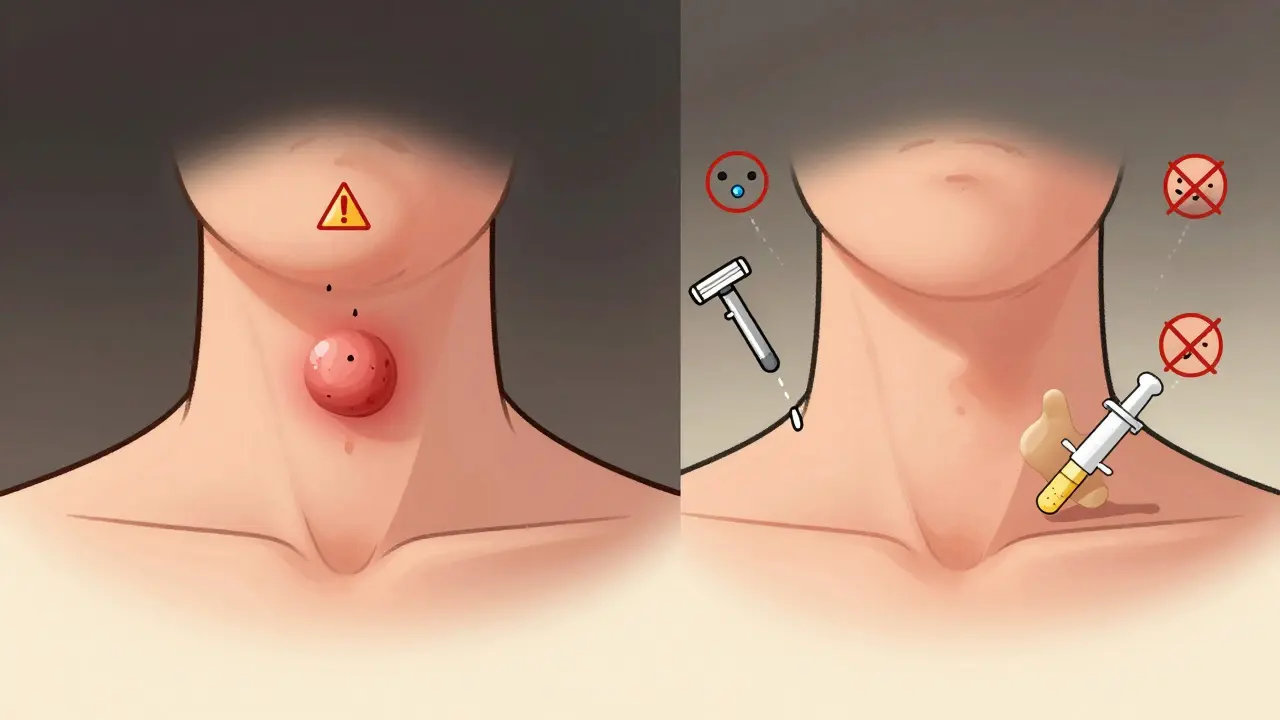
While hyperpigmentation is a color change, keloids are a structural one. They’re raised, thick, rubbery scars that grow beyond the original wound. Think of a cut from a piercing, a burn, or even an acne cyst. In lighter skin, it might fade. In skin of color, it can balloon into a lump that itches, aches, or restricts movement. Keloids affect up to 15% of people with darker skin tones-Black, Hispanic, South Asian, and Indigenous populations are at highest risk. They’re not contagious. They’re not cancer. But they’re deeply stigmatized. Many people avoid piercings, tattoos, or even certain hairstyles because they fear keloids. Treatment is tough. Keloids often come back after removal. That’s why the best approach is prevention: avoid unnecessary trauma. If you’re prone to them, skip ear piercings, tattoos, or elective surgeries unless absolutely necessary. If you already have a keloid, treatment options include:- Corticosteroid injections-the first-line treatment. They flatten and soften the scar over weeks.
- Silicone sheets or gel-worn daily for months. Proven to reduce size and itching.
- Cryotherapy-freezing the keloid with liquid nitrogen. Often combined with injections.
- Laser therapy-pulsed dye lasers reduce redness and flatten the scar.
- Surgery-only if other options fail, and always followed by radiation or steroid injections to prevent recurrence.
What to Avoid
Don’t:- Use lemon juice, apple cider vinegar, or baking soda on dark spots. They’re acidic and can burn your skin.
- Scratch, pick, or peel at dark patches. You’re just making it worse.
- Wait to see a dermatologist. The longer hyperpigmentation or keloids go untreated, the harder they are to fix.
- Use hydroquinone for more than 4 months without a break. Long-term use can cause ochronosis-a blue-black discoloration that’s hard to reverse.
- Assume your GP knows how to treat skin of color. Not all do. Seek a dermatologist with experience in pigmented skin.
Real-Life Impact
A 28-year-old woman in Auckland told me she stopped wearing tank tops after a bad breakout left dark patches on her shoulders. A 35-year-old man avoided shaving his neck because razor bumps turned into keloids. A pregnant woman hid her face with scarves, afraid to go outside. These aren’t rare stories. They’re everyday realities. Hyperpigmentation and keloids aren’t just skin deep. They affect mental health, relationships, career choices, and self-worth. That’s why treatment isn’t optional-it’s necessary.When to See a Dermatologist
You should see a specialist if:- Dark spots last more than 3 months after acne or injury clears.
- Scars keep growing after healing.
- Home treatments haven’t helped in 8-12 weeks.
- You’re noticing new patches after starting a new medication.
- It’s affecting your mood, confidence, or daily life.
Final Thoughts
Skin of color isn’t a problem to fix. It’s a unique biology that needs specific care. Hyperpigmentation and keloids aren’t flaws-they’re responses. And with the right knowledge, they can be managed, minimized, and sometimes even reversed. Start with sun protection. Treat the root cause. Use gentle, proven ingredients. Avoid shortcuts. And don’t wait. The longer you wait, the harder it gets.Is hyperpigmentation permanent in skin of color?
No, hyperpigmentation is not permanent, but it can last months to years if untreated. With consistent sun protection and the right topical treatments-like hydroquinone, azelaic acid, or tranexamic acid-most cases improve significantly. Patience is key; results take 3-6 months of daily use.
Can keloids be removed completely?
Complete removal is rare. Keloids often return after surgery or laser treatment alone. The most effective approach combines corticosteroid injections with silicone gel or pressure therapy. Many patients see 50-80% reduction in size and symptoms with consistent treatment over 6-12 months.
Does sunscreen prevent hyperpigmentation in dark skin?
Yes, and it’s the most important step. Sun exposure triggers melanin production, making dark spots darker and slower to fade. Tinted sunscreens with iron oxides are especially effective because they block blue light from screens and devices, which can also worsen pigmentation in darker skin tones.
Are home remedies like lemon juice safe for dark skin?
No. Lemon juice, vinegar, and baking soda are highly acidic and can cause chemical burns, especially on sensitive or pigmented skin. These remedies often lead to irritation, worsening hyperpigmentation or even scarring. Stick to dermatologist-recommended ingredients like vitamin C, niacinamide, or azelaic acid.
Why do some treatments work on light skin but not dark skin?
Darker skin has more melanin, which absorbs more light and heat. That means lasers or chemical peels designed for lighter skin can overheat the skin, triggering more pigment instead of reducing it. Treatments must be calibrated for melanin levels. What works for fair skin can cause burns or post-inflammatory hyperpigmentation in darker skin.
Can I treat hyperpigmentation and keloids at the same time?
Yes, but not with the same products. Hyperpigmentation is treated with topical brighteners and sunscreen. Keloids need pressure, silicone, or injections. You can use both approaches side by side, but always under a dermatologist’s guidance. Combining them without supervision can irritate the skin and make both conditions worse.
What’s the fastest way to fade dark spots?
There’s no quick fix. The fastest results come from combining sunscreen, prescription-strength retinoids, and azelaic acid or tranexamic acid. Some people see improvement in 6-8 weeks, but full results take 3-6 months. Rushing with harsh products often backfires. Consistency beats speed.
Ken Porter
January 8, 2026 AT 13:50Finally, someone gets it. No more lemon juice hacks. Sunscreen isn’t optional-it’s non-negotiable for dark skin. I’ve seen too many people ruin their skin trying TikTok ‘miracle’ remedies.
Manish Kumar
January 8, 2026 AT 14:34You know, I’ve spent years trying to explain this to my cousins back in Jaipur-they think if you just scrub harder, the dark spots vanish. But it’s not about scrubbing. It’s about biology. Melanocytes in skin of color aren’t broken-they’re just overzealous. They evolved to protect us from the sun, but now they’re stuck in the digital age, reacting to blue light from phones like it’s a wildfire. And we’re expected to just ‘deal with it’? Nah. We need systems. Not solutions. Systems that include dermatologists who’ve actually treated more than two brown patients in their career.
It’s not just about hydroquinone or azelaic acid. It’s about access. In rural India, you can’t just walk into a clinic and ask for tinted SPF with iron oxides. You’re lucky if you find a dermatologist who knows what PIH even is. So we’re stuck with turmeric pastes and aloe vera from the corner shop, hoping it works. And when it doesn’t? We blame ourselves. That’s the real tragedy.
And don’t even get me started on keloids. My uncle got one from a piercing he got in 1998. It’s bigger than his thumb now. Doctors told him to ‘just live with it.’ That’s not medicine. That’s surrender. We need research. We need funding. We need more skin-of-color specialists-not just in New York or London, but in Mumbai, Lagos, and Jakarta too.
It’s not vanity. It’s dignity. When your skin tells the world you’re ‘dirty’ or ‘unhealthy’ because of a scar or a spot, you start hiding. You stop wearing shorts. You avoid mirrors. You lie about why you wear long sleeves in summer. That’s trauma. And trauma doesn’t fade with a cream. It fades with validation. With care. With systems that see us as whole people, not just pigmentation problems.
swati Thounaojam
January 8, 2026 AT 18:41Yesss. I stopped wearing tank tops after my back broke out. Took me 2 years to even look in the mirror again.
Dave Old-Wolf
January 9, 2026 AT 17:42Wait, so blue light from screens actually makes dark spots worse? I thought that was just a myth. I’m gonna start using that tinted sunscreen even when I’m just scrolling on my couch.
Donny Airlangga
January 9, 2026 AT 18:47I had a keloid from an ear piercing I got in college. Took three years of steroid shots and silicone sheets to get it under control. It’s still there, but I can wear earrings again. It’s not perfect, but it’s manageable. Just don’t rush it.
Aubrey Mallory
January 11, 2026 AT 11:51Let me be clear: if your dermatologist doesn’t mention iron oxides in sunscreen for skin of color, they’re not qualified to treat you. Period. This isn’t ‘nice to know’-it’s basic science. And if you’re still using lemon juice or baking soda? Stop. Immediately. Your skin isn’t a science experiment.
christy lianto
January 13, 2026 AT 11:03I used to feel so ashamed of my melasma. I’d wear hats indoors, avoid photos, cancel plans. Then I found a derm who actually listened. Hydroquinone for 3 months, then a break. Tinted SPF every morning. Now I wear tank tops again. Not because it’s gone-but because I’m done letting it control me.
Molly Silvernale
January 13, 2026 AT 13:12Here’s the thing… hyperpigmentation isn’t a flaw-it’s a fingerprint. A story written in melanin. But society? Society sees it as a mistake. A glitch. A flaw in the algorithm of beauty. And so we chase it like it’s a ghost… when really, it’s just our skin remembering the burn, the scrape, the hurt. Maybe the real treatment isn’t cream… maybe it’s letting ourselves be seen. Even with the marks.
Evan Smith
January 13, 2026 AT 17:22So… you’re saying I can’t just slap on some vitamin C and call it a day? I thought this was gonna be a 2-week fix. My wallet’s already crying.
Lois Li
January 15, 2026 AT 14:38I’m so glad someone finally wrote this. I’ve been telling my friends for years: don’t go to the spa for a chemical peel if they’ve never treated someone with Fitzpatrick IV or higher. I had one once… it turned my cheek into a bruise that lasted six months. Don’t be me.
Luke Crump
January 15, 2026 AT 16:24Actually, I think this whole ‘skin of color’ narrative is overblown. My cousin’s skin is darker than mine, and he never had a single dark spot. Maybe it’s not biology-it’s just bad skincare habits. Why are we making this into some genetic destiny? We’re not talking about eye color here.
Annette Robinson
January 16, 2026 AT 15:32For anyone feeling overwhelmed-start with one thing. Sunscreen. Today. Right now. Don’t wait for the perfect routine. Just protect. You’ve got this.
Prakash Sharma
January 18, 2026 AT 09:10Look, in India we’ve been using turmeric and milk for centuries. Why are we suddenly listening to Western dermatologists? Maybe the real problem is that we’ve forgotten our own remedies. This is cultural imperialism disguised as science.
Kristina Felixita
January 18, 2026 AT 14:51As someone who’s treated both PIH and keloids, I can say this: consistency is everything. I use azelaic acid every night, SPF 50 every morning, and silicone gel on my keloid every single day. It’s boring. It’s tedious. But it works. And if you’re not doing it yet? Start tomorrow. Not next week. Tomorrow.