Generic Drug Quality Issues: Manufacturing Plant Problems Explained
 May, 1 2026
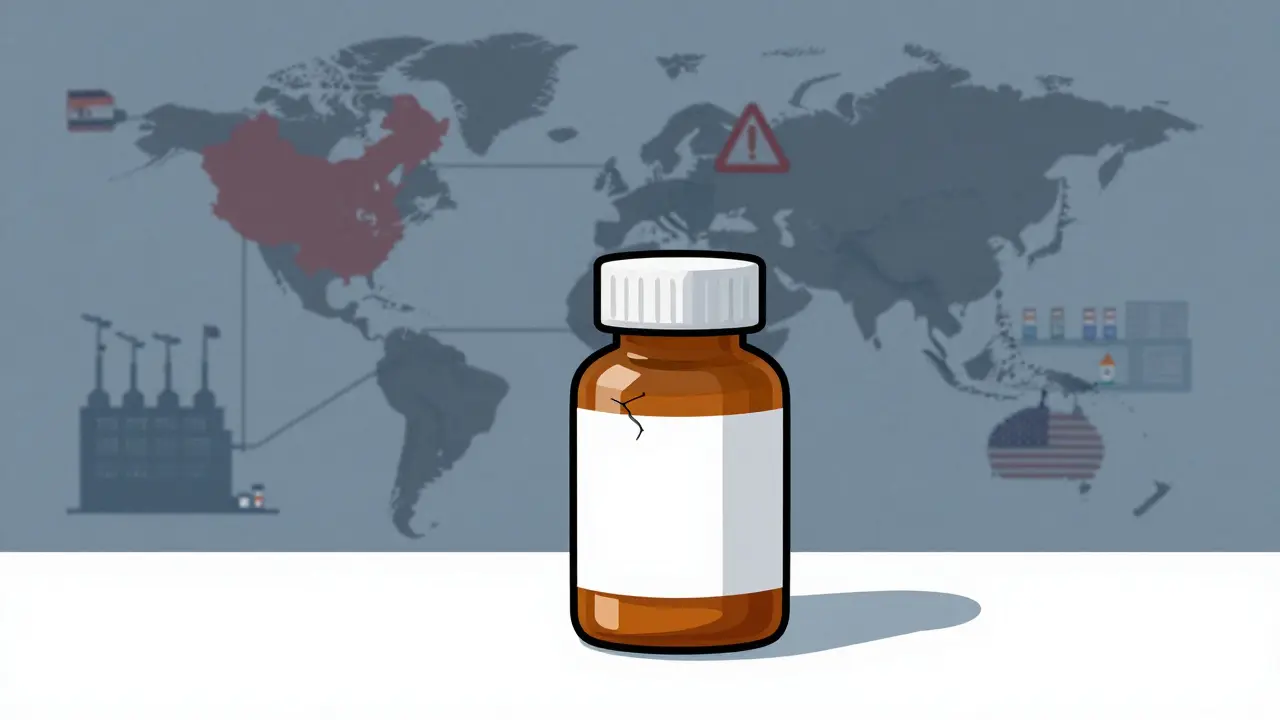
When you pick up a prescription for a generic medication, you expect it to work exactly like the brand-name version. You trust that the pill will dissolve correctly in your body and deliver the right dose. But behind the scenes, generic drug quality issues are manufacturing deficiencies that compromise the safety, efficacy, and consistency of generic pharmaceutical products becoming a growing concern for patients and regulators alike. These aren't just minor hiccups; they are systemic failures in how drugs are made, tested, and shipped globally.
The problem isn't new, but it has reached a breaking point. In 2018, the world woke up to this reality when the FDA discovered dangerous impurities in valsartan, a common blood pressure medication. This wasn't an isolated incident. It was a symptom of a complex global supply chain where oversight is stretched thin. Today, about 80% of the active ingredients in your medicines come from facilities outside the United States, primarily in China and India. While these countries produce high-quality drugs, the sheer volume and varying regulatory environments create significant risks. Understanding why these problems happen-and what is being done to fix them-is crucial for anyone relying on affordable healthcare.
The Root Cause: Gaps in Current Good Manufacturing Practices
To understand why bad batches get through, you have to look at Current Good Manufacturing Practices (cGMP) is a set of regulations enforced by the FDA to ensure that drug products are consistently produced and controlled to quality standards. Think of cGMP as the rulebook for making medicine safely. It covers everything from the cleanliness of the factory floor to how data is recorded during testing. When manufacturers cut corners or fail to follow these rules, quality suffers.
In 2022 alone, the FDA issued thousands of inspection observations citing specific failures. Unacceptable analytical methods accounted for nearly 19% of these findings. In simpler terms, labs were using tests that weren't sensitive enough to catch defects. Another 15.6% of observations pointed to insufficient long-term stability data. This means companies didn't prove their drugs would stay effective over time. Perhaps most alarming were issues with data integrity. Nearly 25% of observations cited poor practices here, including inadequate password protection and lack of audit trails. If you can't trust the records, you can't trust the product.
- Analytical Method Failures: Tests used to check purity were often outdated or improperly validated.
- Stability Data Gaps: Lack of evidence showing the drug remains safe throughout its shelf life.
- Data Integrity Issues: Manipulated or poorly protected electronic records hiding real results.
The Nitrosamine Crisis: A Case Study in Oversight
The most famous example of these manufacturing flaws involves nitrosamines. These are chemical impurities that can form during the manufacturing process under certain conditions. They are potential carcinogens, meaning they could cause cancer with long-term exposure. The crisis began in September 2018 when the FDA found N-nitrosodimethylamine (NDMA) in valsartan tablets manufactured in China and India.
This discovery triggered a massive recall affecting approximately 2.1 million patients across 22 countries. Between June 2018 and October 2019, there were 28 voluntary recalls linked to this issue. The scale of the problem highlighted a critical vulnerability: the FDA relies heavily on self-reported data from foreign manufacturers. Because the agency does not perform routine testing on every imported shipment-only 0.02% of shipments undergo laboratory analysis-they missed these impurities until independent alerts raised the alarm. This event forced a complete rethink of how impurity controls are monitored in real-time.
Foreign vs. Domestic Facilities: An Inspection Gap
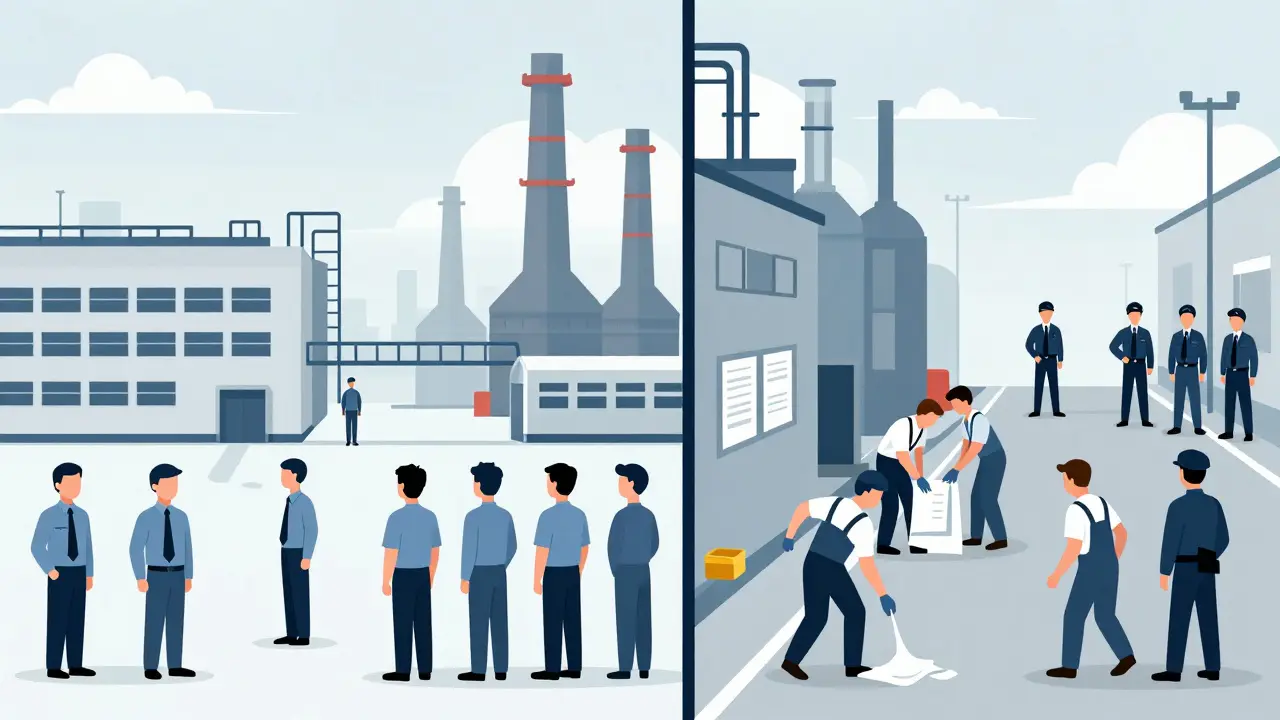
Where a drug is made matters significantly for quality control. There is a stark difference between how domestic U.S. facilities and foreign facilities are inspected. For U.S. plants, the FDA conducts unannounced inspections. Inspectors show up without warning, seeing the facility in its true daily state. For foreign facilities, diplomatic protocols require advance notice. This gives international manufacturers time to clean up, hide documents, or prepare specifically for the visit.
The results of this disparity are clear in the data. In 2022, Chinese facilities received 28.6% more Form 483 observations (official notices of violations) per inspection than U.S. facilities. Indian facilities received 19.3% more. A 2023 study by Ohio State University published in *Circulation* added another layer of concern, finding that generic drugs manufactured in India were linked to 23.7% more severe adverse events compared to equivalent U.S.-made generics. This doesn't mean all foreign drugs are unsafe, but it does highlight a systemic risk in the current inspection model.
| Region | Inspection Type | Form 483 Observations Rate | Key Risk Factor |
|---|---|---|---|
| United States | Unannounced | Baseline (Lowest) | Standard compliance pressure |
| China | Announced | +28.6% higher than US | Lack of surprise element |
| India | Announced | +19.3% higher than US | High volume, low margin |
Complex Generics and Bioequivalence Challenges
Not all generic drugs are created equal. Simple generics, like basic aspirin, are easy to replicate. But "complex generics"-such as modified-release tablets, inhalers, or injectables-are much harder to manufacture consistently. These drugs account for a disproportionate share of quality issues. In fiscal year 2022, Narrow Therapeutic Index (NTI) drugs, which require very precise dosing to be safe, accounted for 37% of bioequivalence-related Complete Response Letters (CRLs) from the FDA. A CRL is essentially a rejection letter telling a company their application failed because they couldn't prove the generic worked the same way as the brand name.
Proving bioequivalence for these complex drugs now requires 37% more testing than simple generics, according to FDA guidance issued in January 2023. This increased scrutiny is necessary but also expensive. Many manufacturers struggle to meet these higher standards, leading to shortages. In fact, quality issues at foreign plants contributed to 58.7% of all drug shortages in 2022, affecting critical medications like heparin and nitroglycerin.
The Pressure of Pricing on Quality Investment
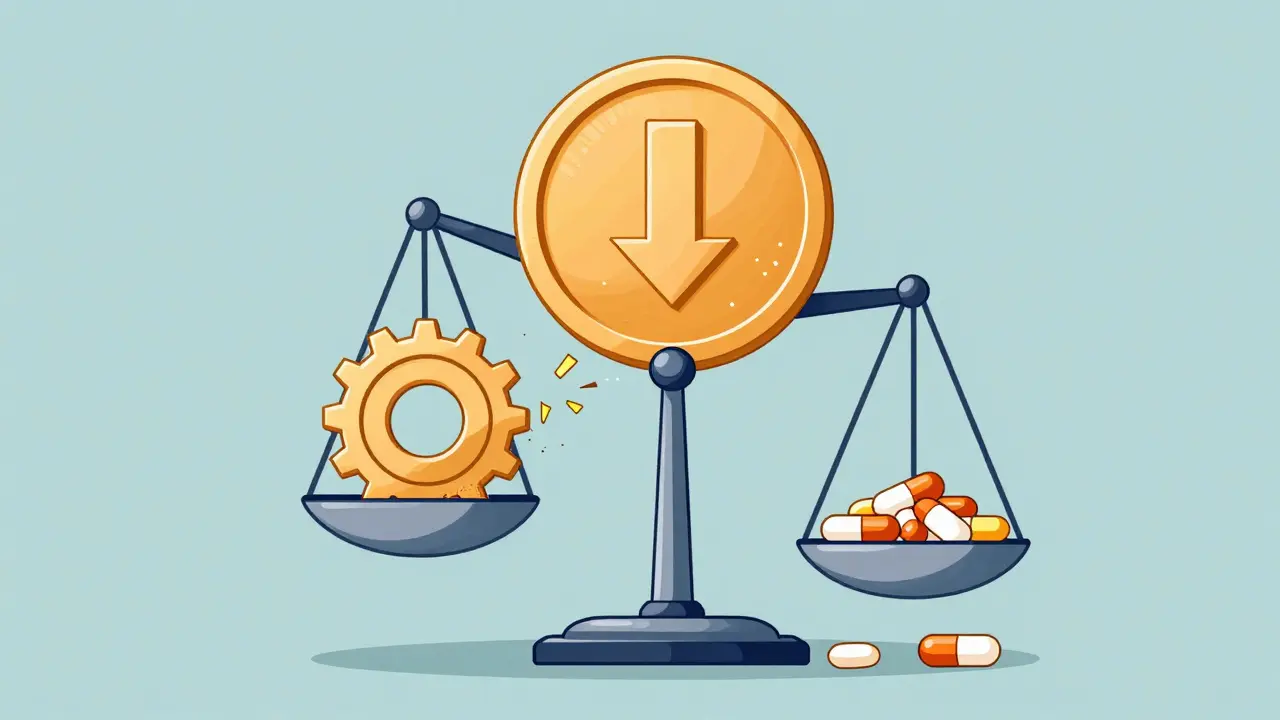
Money talks, and in the generic industry, it’s whispering. The global generic drug market was valued at $422.7 billion in 2022, but prices are falling fast. Average generic drug prices declined by 18.3% annually between 2018 and 2022. To survive this squeeze, manufacturers cut costs. One area that often gets trimmed is quality control budgets, which dropped by an average of 22.7% during the same period.
This creates a vicious cycle. Lower investment leads to fewer staff trained in Quality by Design (QbD) is a systematic approach to development that begins with predefined objectives and emphasizes product and process understanding and process control, backed by scientific principles and sound knowledge. QbD is the gold standard for building quality into a product from the start, but only 23.8% of generic manufacturers had fully implemented it by 2022. Implementing robust QbD systems costs around $2.7 million per facility and takes 18-24 months. For companies operating on razor-thin margins, that’s a hard sell. Consequently, we see more reliance on reactive fixes rather than proactive prevention.
Real-World Impact: What Healthcare Providers See
The statistics become real when you talk to the people prescribing and dispensing these drugs. A 2022 survey by the American Society of Health-System Pharmacists (ASHP) found that 67.3% of hospital pharmacists reported at least one therapeutic failure with a generic drug in the previous year. Nearly half of those specifically cited products manufactured in India. Patients are noticing too. On Drugs.com, generic valsartan products from Zhejiang Huahai Pharmaceutical received an average rating of 3.2 stars, compared to 4.1 for U.S.-manufactured versions. Almost 29% of reviews mentioned the drug was "ineffective."
One shocking instance of negligence occurred at an Intas Pharmaceuticals facility in Gujarat, India. During a July 2022 inspection, an employee was observed pouring acid into a trash can full of documents related to testing and quality control. This blatant attempt to destroy evidence led to a formal Warning Letter from the FDA. It underscores that while many facilities strive for excellence, some operate with a disregard for patient safety that borders on criminal.
The Path Forward: Regulatory Tightening
Regulators are finally waking up to the scale of the problem. The FDA issued 147 warning letters for cGMP violations in fiscal year 2022, a 28.5% increase from the previous year. More importantly, 63.2% of these targeted foreign facilities. The European Medicines Agency (EMA) took a bolder step, implementing unannounced inspections at all foreign facilities supplying the EU market starting in January 2023. This change resulted in a 41.2% increase in critical findings, proving that surprise inspections reveal far more than scheduled visits.
The FDA’s strategic plan for 2023-2027 commits to prioritizing high-risk facilities and increasing foreign inspections from 1,200 to 1,800 annually by 2027. However, experts warn that bureaucracy remains a barrier. Visa requirements and diplomatic protocols still slow down access. As Dr. Aaron Kesselheim from Harvard Medical School noted, the system needs fundamental reform to ensure that "generic" truly means "equivalent." Until then, patients and providers must remain vigilant, understanding that while generics save billions, they carry hidden risks that require constant monitoring.
Are generic drugs less effective than brand-name drugs?
Legally, generic drugs must demonstrate bioequivalence to brand-name drugs, meaning they deliver the same amount of active ingredient into the bloodstream in the same amount of time. However, recent studies suggest that for complex generics or Narrow Therapeutic Index (NTI) drugs, variability can occur. A 2021 study found that 15.2% of generic drugs on the FDA Watch List showed therapeutic inequivalence. While most generics are safe and effective, quality issues in manufacturing can lead to inconsistent performance, particularly in drugs requiring precise dosing.
Why do foreign manufacturing facilities have more quality issues?
Several factors contribute to higher violation rates in foreign facilities. First, the FDA must provide advance notice for inspections abroad due to diplomatic protocols, allowing facilities to prepare or hide deficiencies. Second, pricing pressure in global markets forces manufacturers to cut costs, often impacting quality control budgets. Third, cultural differences in regulatory compliance and data integrity practices can lead to gaps that U.S. inspectors frequently cite. Finally, the sheer volume of exports from countries like China and India stretches regulatory resources thin.
What are nitrosamine impurities, and why are they dangerous?
Nitrosamines are chemical compounds that can form during the manufacturing process of certain drugs, such as angiotensin II receptor blockers (ARBs). They are classified as probable human carcinogens, meaning long-term exposure increases the risk of cancer. The 2018 valsartan recall revealed that these impurities had gone undetected for years due to inadequate testing methods. This crisis forced the FDA to mandate stricter limits on nitrosamines and require manufacturers to implement better detection technologies.
How can patients identify if their generic drug might have quality issues?
Patients cannot visually inspect a pill for internal quality defects. However, you can check the FDA’s Drug Shortages database or the Drug Enforcement Administration’s list of recalled products. If you experience sudden changes in how your medication works-such as reduced effectiveness or unexpected side effects-report it to your doctor and via the FDA’s MedWatch program. Additionally, asking your pharmacist about the manufacturer of your specific generic batch can provide transparency, as some manufacturers have stronger quality records than others.
What is Quality by Design (QbD), and why is it important?
Quality by Design (QbD) is a systematic approach to drug development and manufacturing that builds quality into the product from the beginning, rather than testing it in at the end. It involves defining Quality Target Product Profiles (QTPPs) and identifying Critical Process Parameters (CPPs) that affect safety and efficacy. Only 23.8% of generic manufacturers had fully adopted QbD by 2022. Adopting QbD reduces the risk of batch failures, improves consistency, and helps prevent costly recalls, though it requires significant upfront investment in technology and training.