Archive: 2026/01
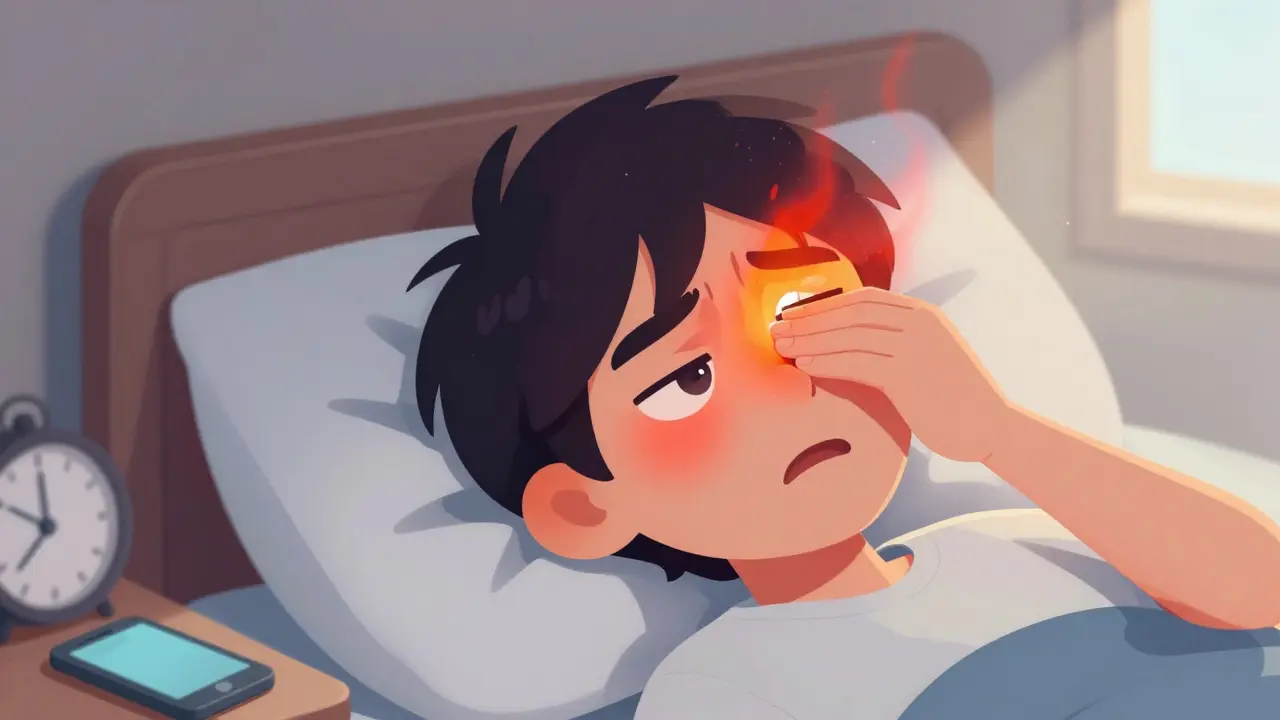
Corneal Ulcers from Contact Lenses: Risks, Symptoms, and What to Do Now
Corneal ulcers from contact lenses can cause permanent vision loss. Learn the real risks, urgent warning signs, and what to do immediately if you suspect an infection.
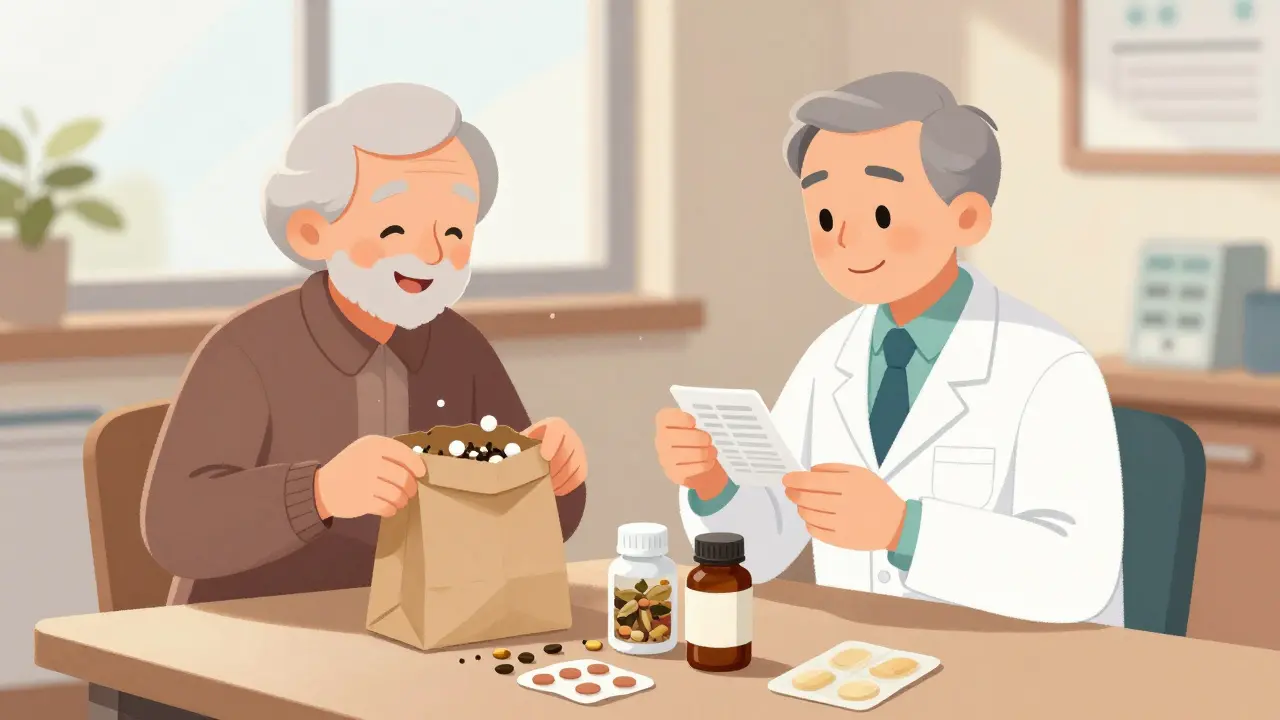
Brown Bag Medication Review Events: How to Prepare for a Safe Medication Checkup
A brown bag medication review helps prevent dangerous drug interactions by having you bring all your pills, supplements, and OTC meds to a pharmacist or doctor. Learn how to prepare, what to expect, and why it’s a must for seniors taking multiple medications.
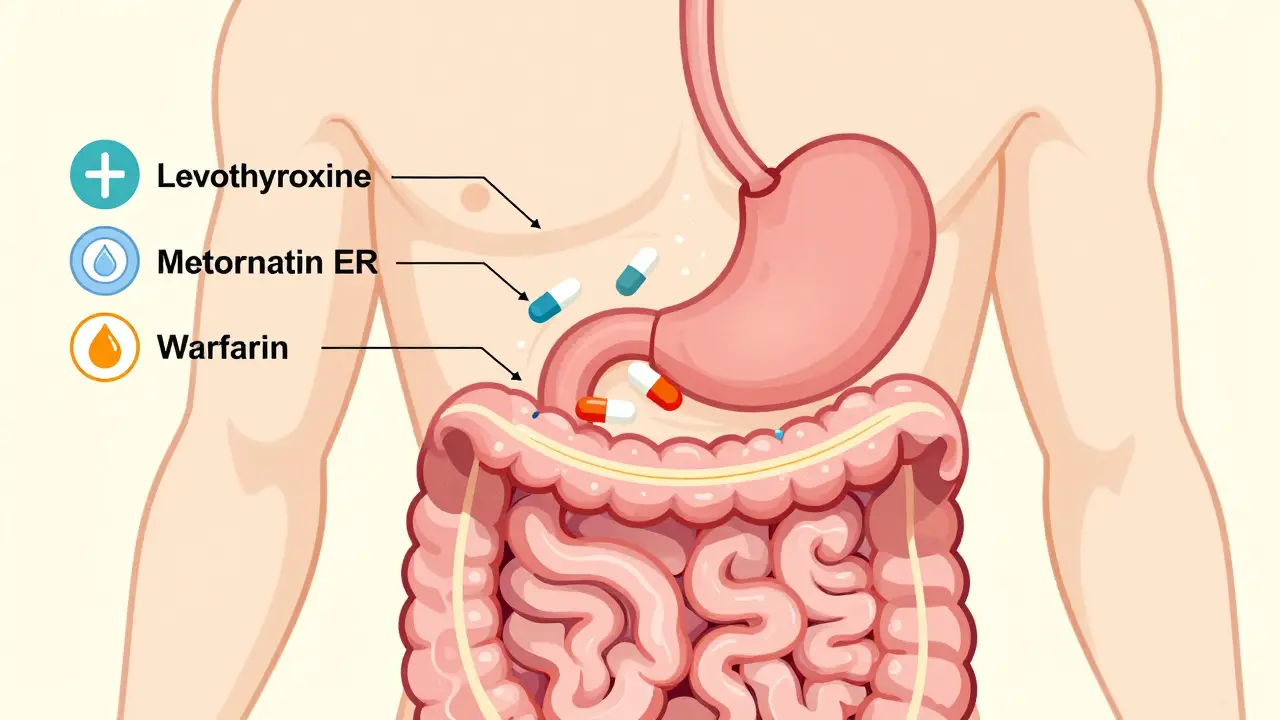
Bariatric Surgery and Medication Absorption: How Weight Loss Surgery Changes Your Drug Doses
Bariatric surgery changes how your body absorbs medications. Extended-release pills may stop working, thyroid doses need adjusting, and blood thinners can become dangerous. Learn what to watch for and how to stay safe after weight loss surgery.
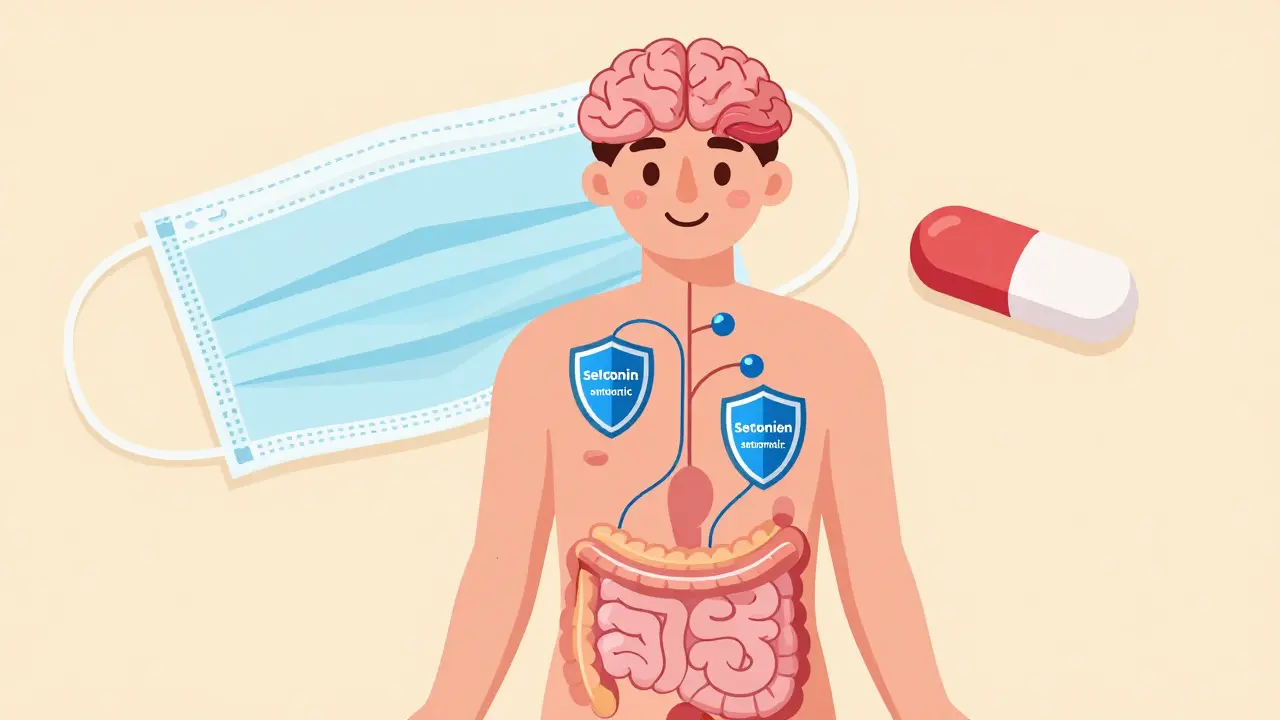
Choosing Antiemetics for Medication-Induced Nausea: A Practical Guide
Learn how to choose the right antiemetic for medication-induced nausea - from surgery to chemo - based on risk, cost, and real-world effectiveness. Skip the guesswork and use proven strategies.
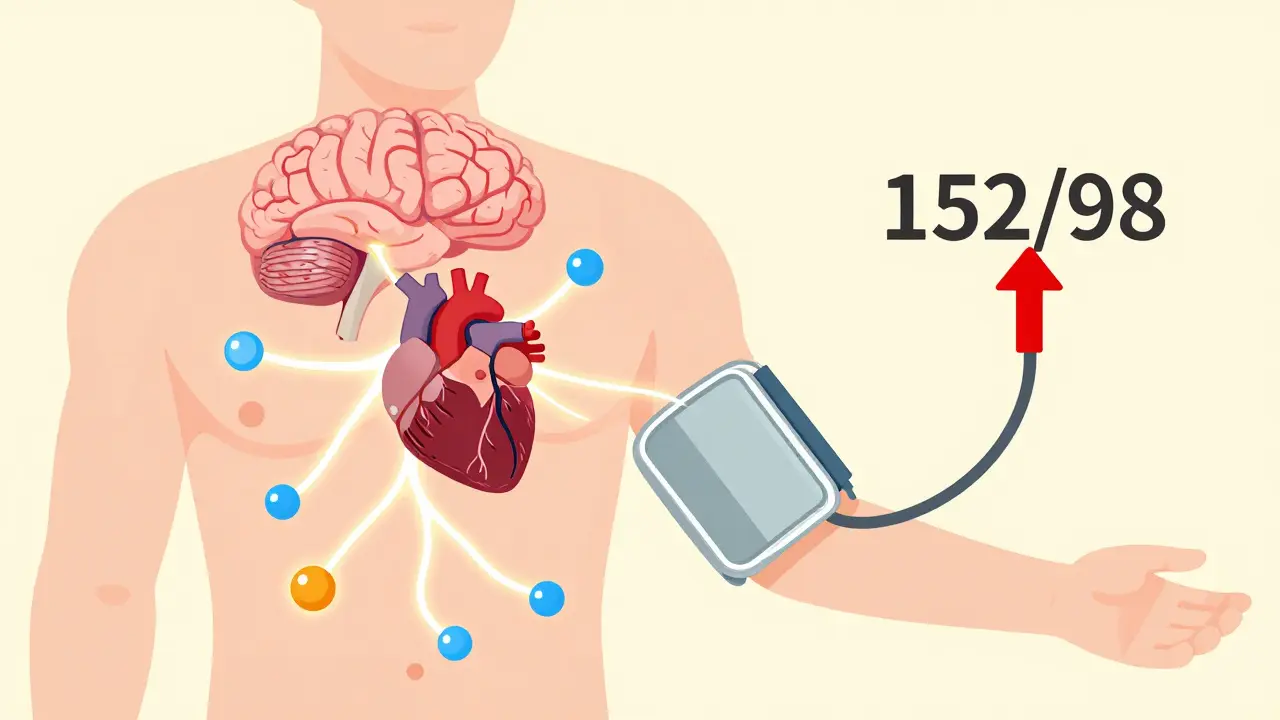
Venlafaxine and Blood Pressure: What You Need to Know About Hypertension Risk
Venlafaxine can raise blood pressure, especially at higher doses. Learn how it affects BP, who's at risk, and how to monitor it safely to avoid serious complications.
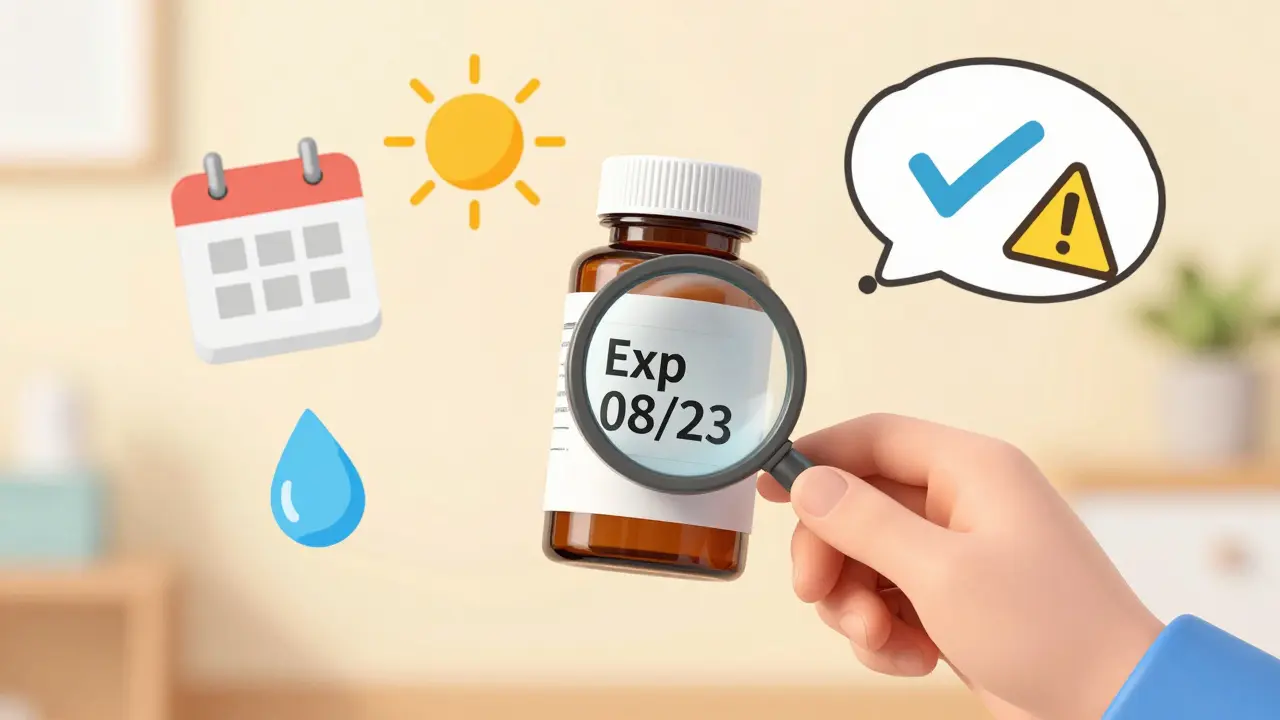
How to Read Expiration Dates on Medication Packaging Correctly
Learn how to read expiration dates on medication packaging to avoid taking ineffective or dangerous drugs. Understand manufacturer vs. pharmacy dates, storage rules, and which meds are risky past expiration.
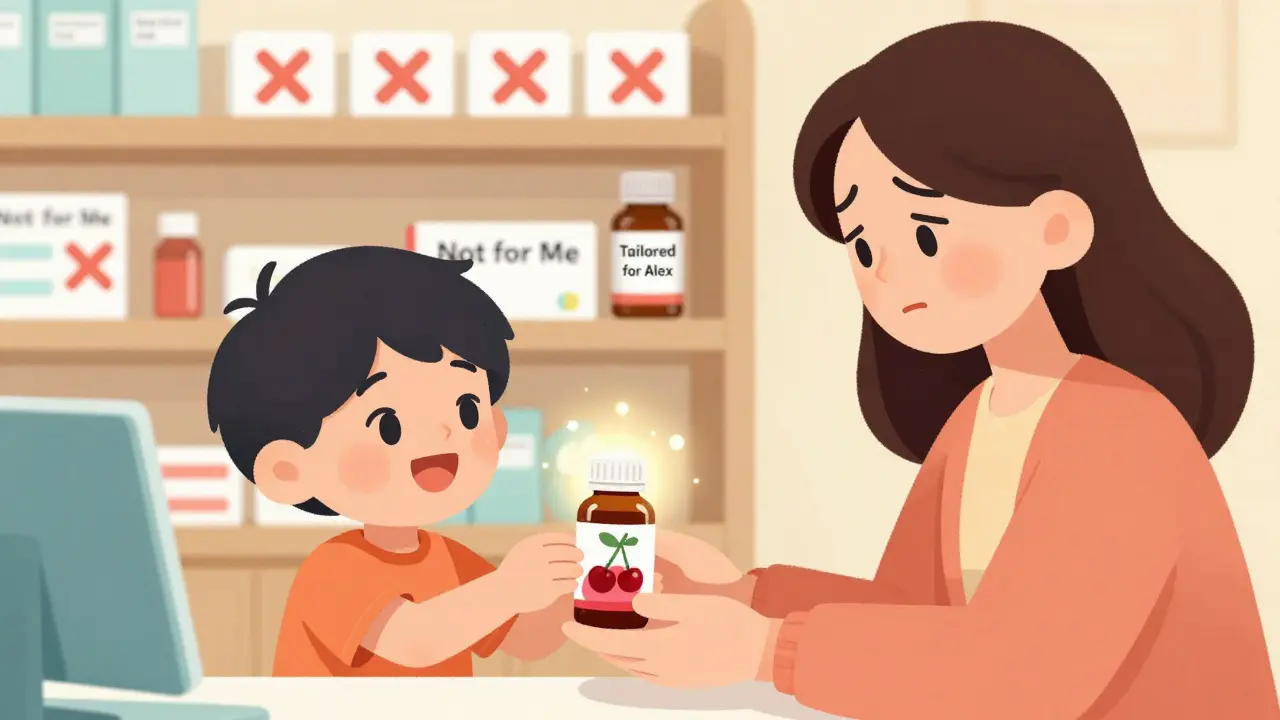
Compounded Medications: When Custom Formulas Are Needed
Compounded medications offer custom solutions for patients who can't use standard drugs due to allergies, dosage needs, or swallowing issues. But they come with risks-quality varies, they're not FDA-approved, and not all pharmacies are safe. Know when they're necessary and how to find a trusted provider.
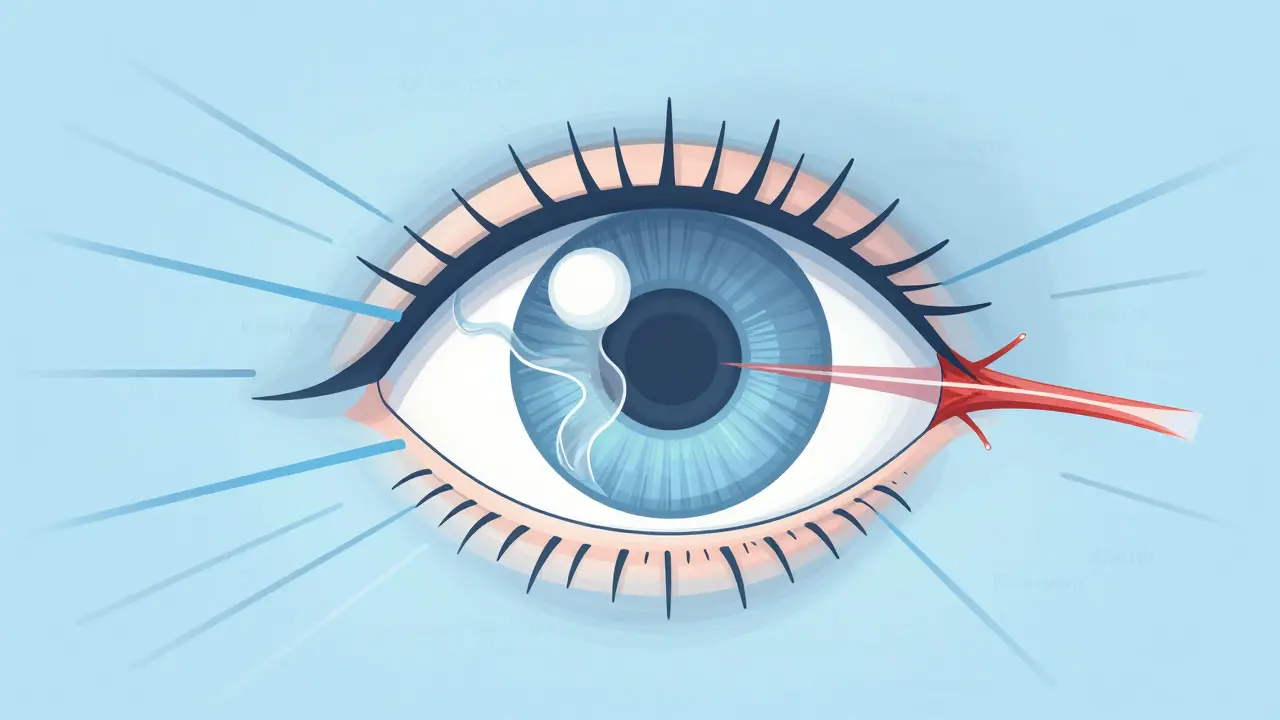
Glaucoma: Understanding Elevated Eye Pressure and Optic Nerve Damage
Glaucoma silently damages the optic nerve, often due to elevated eye pressure. Learn how pressure, nerve strain, and brain-eye balance cause vision loss-and what actually works to stop it.
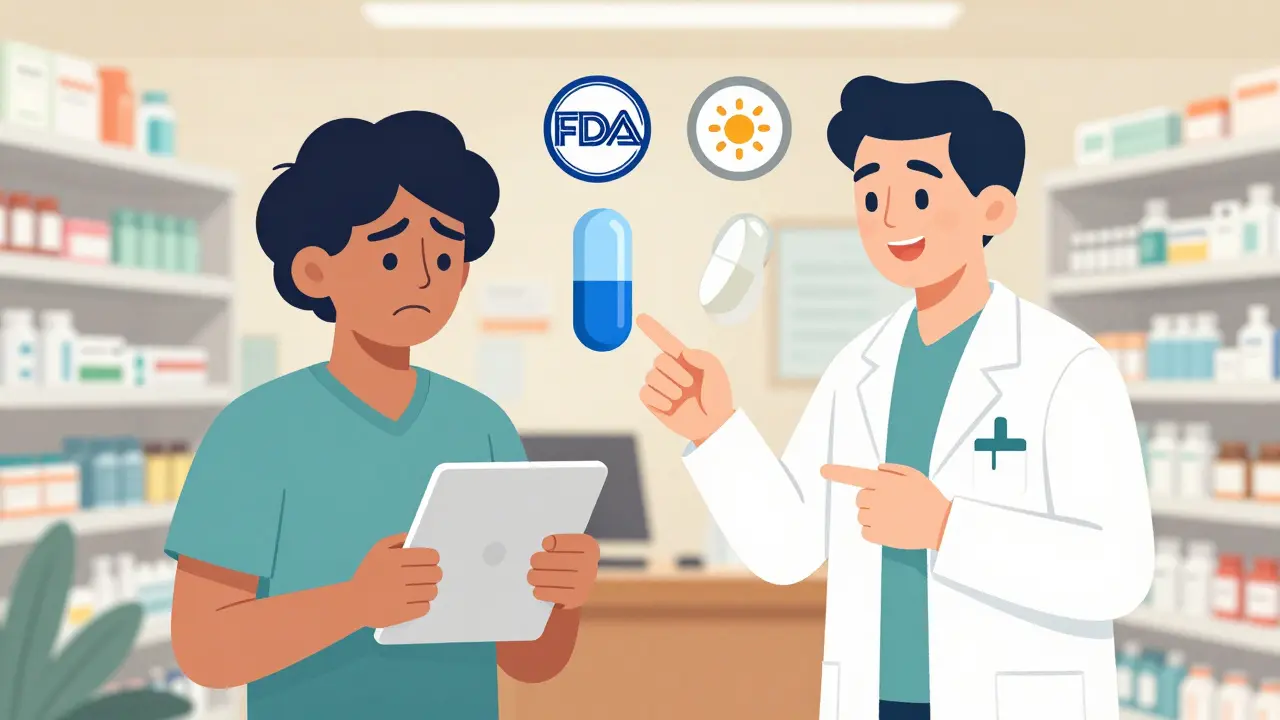
How to Communicate with Your Pharmacy During Generic Drug Transitions
Learn how to navigate generic drug transitions safely by communicating with your pharmacy. Understand when switches are safe, when to push back, and what steps to take if you notice changes in how your medication works.

How Culture Shapes What We Accept - Even When It’s Generic
Culture doesn't just influence preferences - it determines whether people accept even the simplest tools. Learn how cultural dimensions like individualism and uncertainty avoidance shape adoption of health apps and digital services.

Bioequivalence of Combination Products: Special Testing Challenges
Bioequivalence testing for combination products like fixed-dose pills, topical creams, and inhalers is far more complex than for single-drug generics. Regulatory hurdles, high costs, and inconsistent methods delay affordable access to these essential medicines.
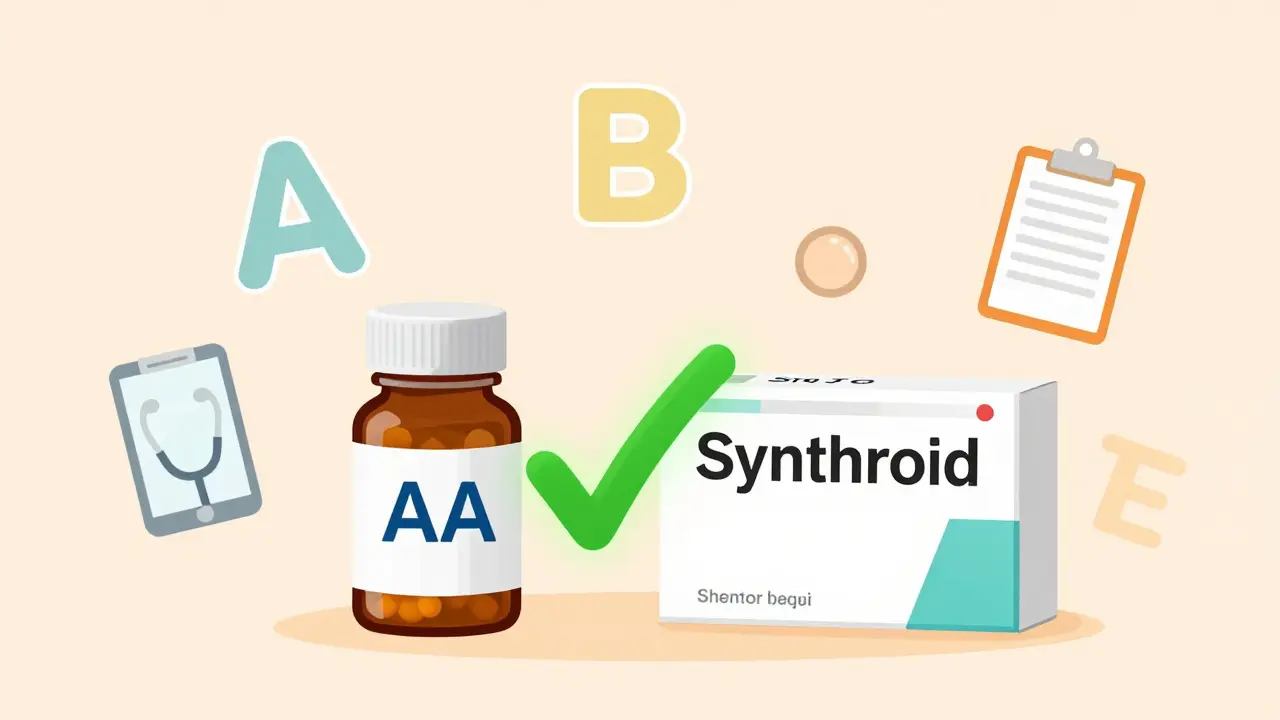
Therapeutic Equivalence Codes (TE Codes) Explained: How Generic Drugs Are Approved and Substituted
Therapeutic Equivalence Codes (TE Codes) tell you which generic drugs are safe to swap for brand-name versions. Learn how the FDA's Orange Book system ensures generics work just as well-and when to be cautious.