Medications – Safe Buying, Dosage, and Side Effects
Looking for clear info on a medicine? You’re in the right spot. Here we break down how to buy medications online, what dosage you need, and what side effects to watch for. No jargon, just the facts you can use today.
How to Buy Medications Online Safely
First off, never click a pop‑up that promises a miracle price. Real online pharmacies require a prescription, show a licensed address, and let you talk to a pharmacist. Check for a valid pharmacy logo and read reviews that mention real‑world experiences. If you’re in New Zealand, look for Medsafe registration. In the US, make sure the site follows FDA guidelines.
When you find a shop, compare the price of the drug you need. Our guides on buying Benazepril, Folic Acid, and generic Plavix walk you through price‑checking tools. Remember, a price that seems too low often means the product is counterfeit. Always use a credit card that offers fraud protection, and keep a copy of the order for future reference.
Understanding Dosage and Side Effects
Every medication has a sweet spot – the dose that works without causing unnecessary trouble. For blood‑pressure drugs like Benicar (Olmesartan) or Naprosyn (Naproxen), start low and let your doctor adjust based on blood pressure readings or pain relief. Our Benicar guide explains the typical 20‑40 mg daily range, while the Naprosyn article covers 250‑500 mg twice a day for adults.
Side effects are often the reason people stop a drug. Common issues with Benazepril include a dry cough or light‑headedness. Folic acid is usually safe, but taking too much can mask B12 deficiency symptoms. If you notice rash, swelling, or unusual bleeding while on Plavix (Clopidogrel), stop and contact a health professional right away. Each article on this page lists the most frequent side effects and what to do if they appear.
Natural supplements need the same care. Mentat, a Himalaya memory blend, contains Bacopa monnieri and other herbs. Most users tolerate it well, but some report stomach upset. The Mentat guide tells you the standard 500 mg twice‑daily dose and how to test for any reaction.
For viral infections, Valacyclovir is a go‑to drug. It works fast for cold sores and shingles, but you should stay hydrated and avoid mixing it with certain kidney‑affecting meds. Our quick FAQ covers dosing for each condition and flags when pregnancy requires extra caution.
All these guides share a common thread: talk to your doctor or pharmacist before starting or changing any medication. Even over‑the‑counter vitamins can interact with prescription drugs, and a quick check can prevent a nasty surprise.
Ready to explore a specific drug? Click on the titles below to get the full 2025 guide. Whether you’re buying online, figuring out the right dose, or tracking side effects, we’ve got the practical info you need right here.
- How and Where to Buy Benazepril Online Safely (2025 Guide)
- How and Where to Buy Folic Acid Online Safely (2025 NZ & Global Guide)
- Buy Generic Plavix (Clopidogrel) Online Safely: Low Prices & Smart Tips for 2025
- Benicar (Olmesartan) Uses, Dosage, Side Effects, and Safety: 2025 Patient Guide
- Naprosyn (Naproxen) 2025: Uses, Dosage, Side Effects, and NZ Access
- Mentat (Himalaya): Uses, Side Effects, Dosage & Evidence for 2025
- Valacyclovir FAQs: Quick Answers on Dosing, Uses, Side Effects, and Safety
Bookmark this page, and return whenever you need a quick, reliable rundown on any medication. Stay safe, stay informed, and make the right choices for your health.
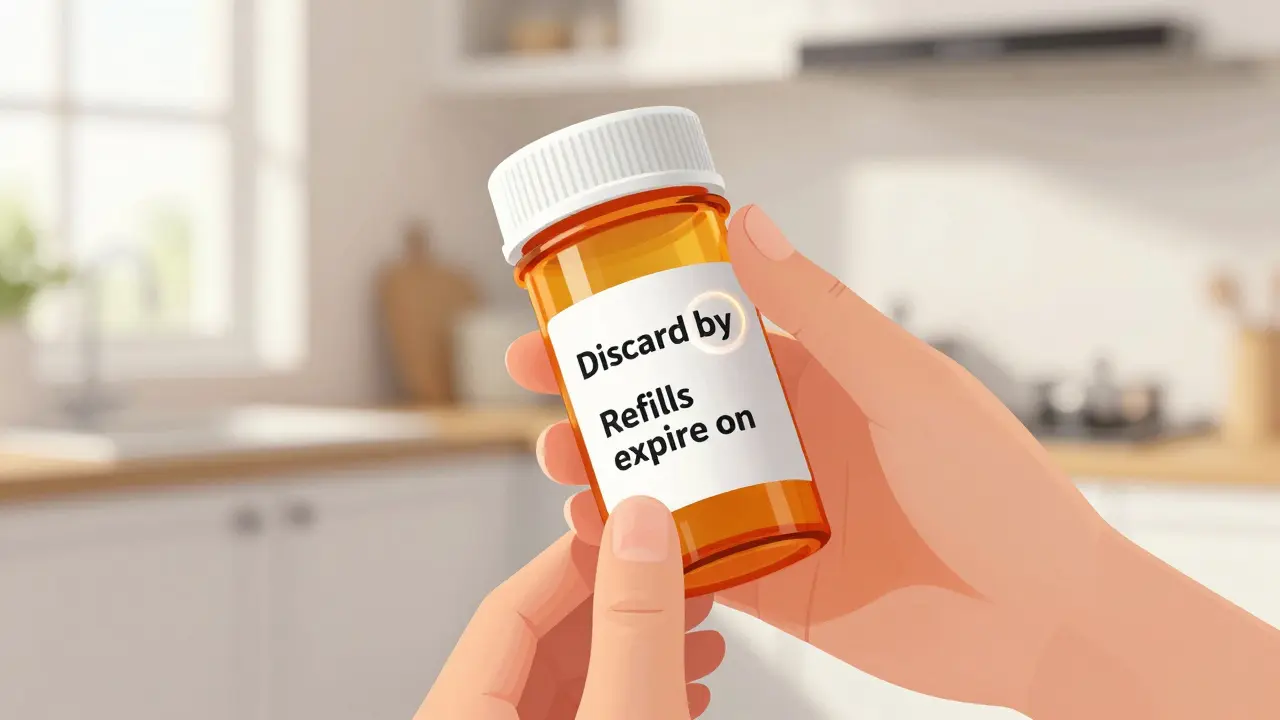
Refill-By Dates vs. Expiration Dates: How to Read Your Prescription Label
Confused by your prescription labels? Learn the critical difference between refill-by dates and expiration dates to ensure medication safety and avoid treatment gaps.
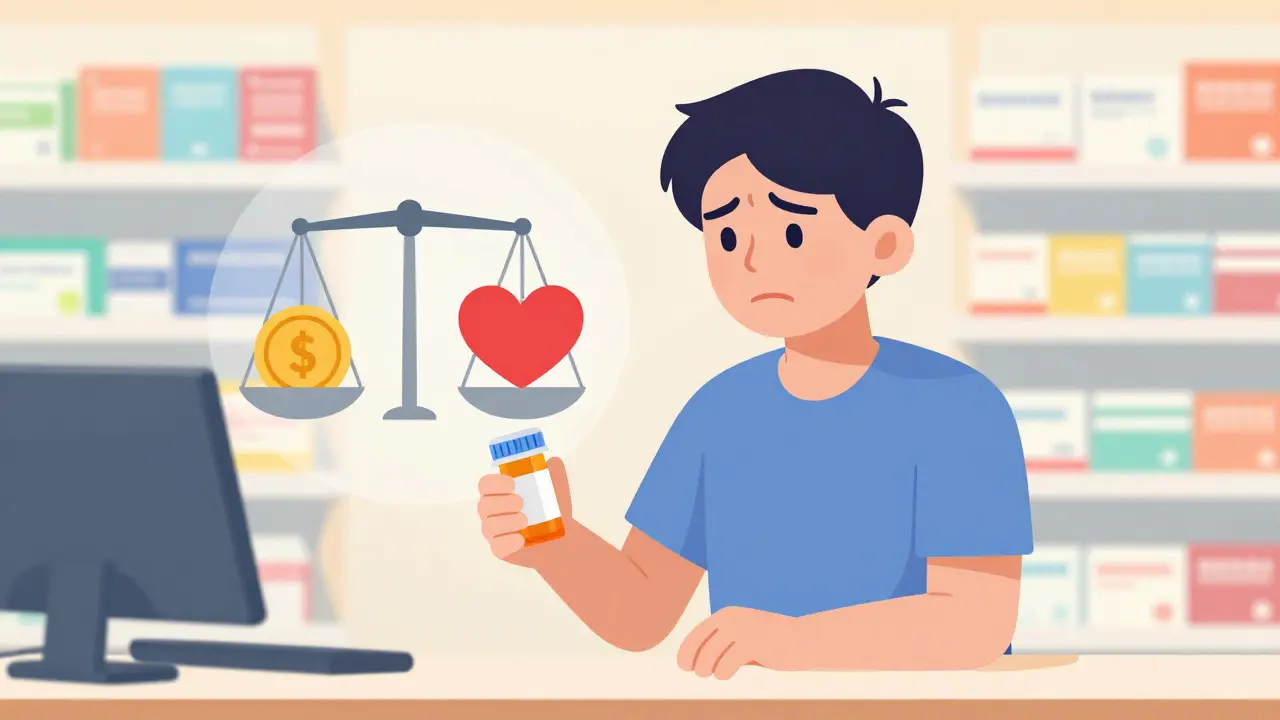
Risk perception: how patients assess generic drug safety concerns
Understand the psychology behind why patients hesitate to take generic drugs. Explore safety data, regulatory standards, and demographic factors influencing medication trust.
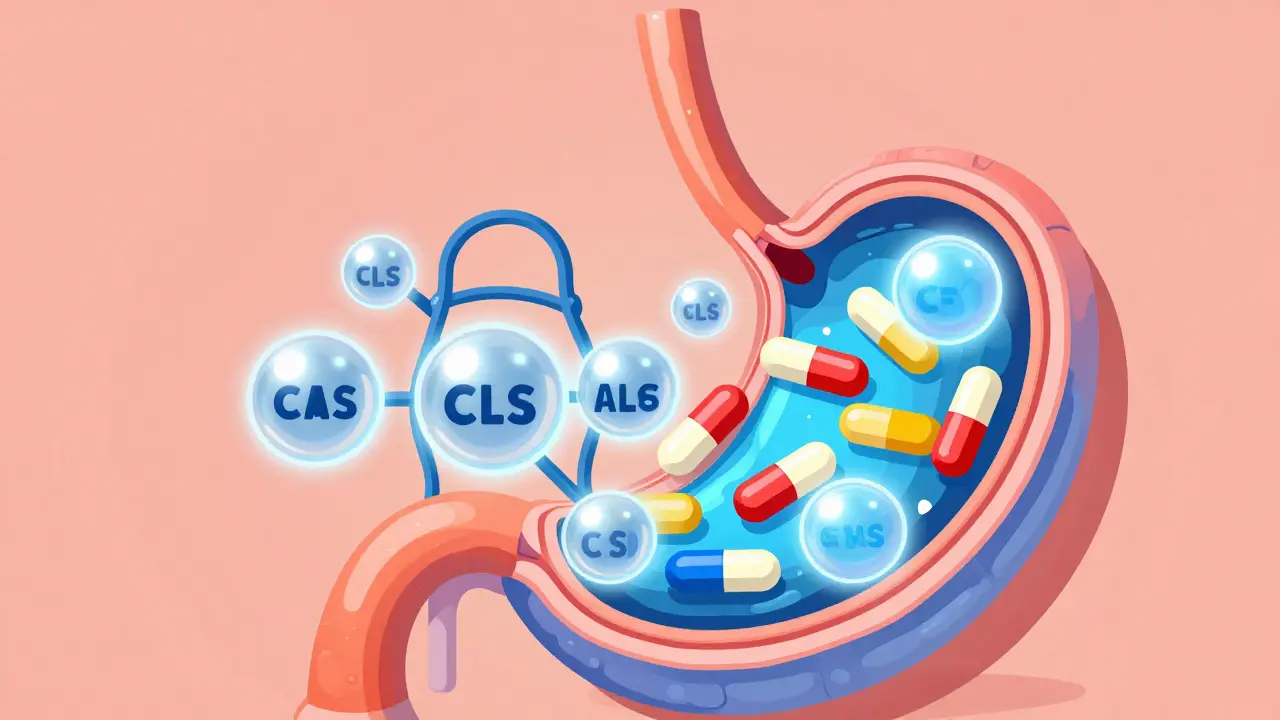
OTC Antacids with Antibiotics: Reduced Absorption and Efficacy Explained
Learn how OTC antacids dramatically reduce antibiotic effectiveness through chemical binding. Discover which combinations pose highest risks, proper timing protocols, and safer alternatives for managing heartburn during antibiotic treatment.
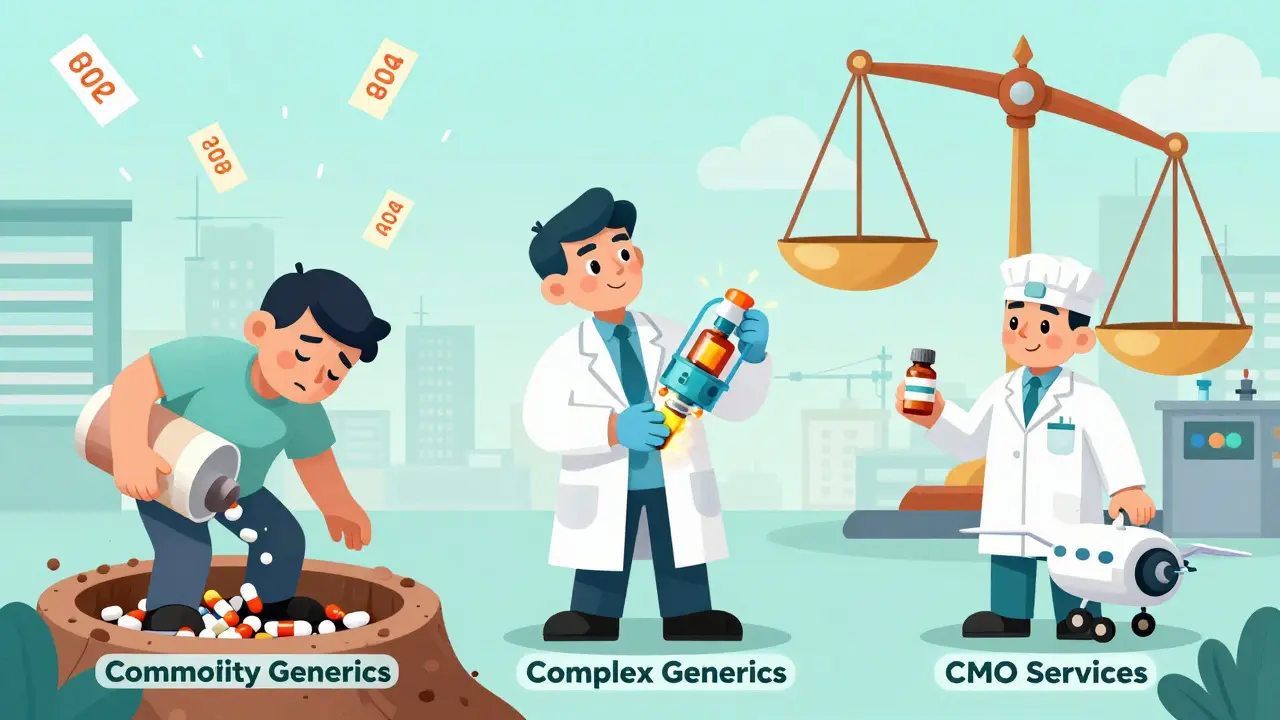
Generic Manufacturer Profitability: How Business Models Drive Sustainable Healthcare
Generic drugs save billions in healthcare costs, but many manufacturers are losing money. Discover how complex generics, contract manufacturing, and global shifts are reshaping profitability-and why the future of affordable medicine depends on smarter business models.
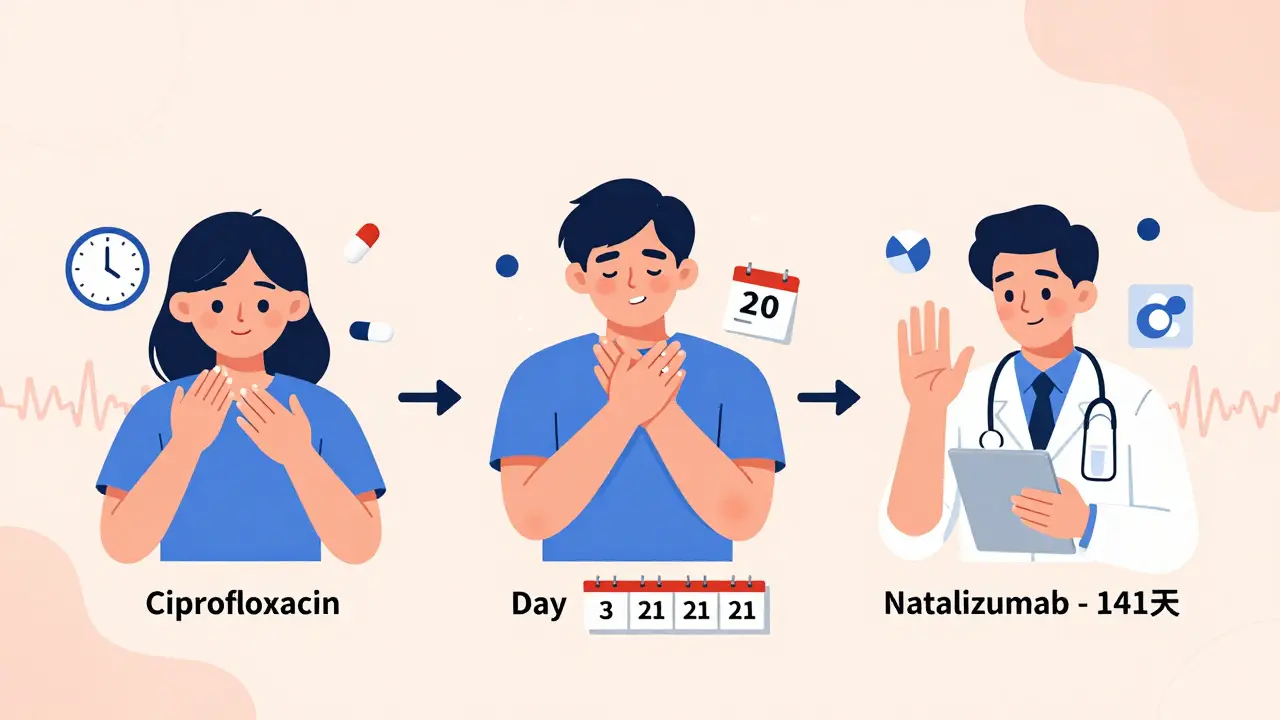
Time-to-Onset Patterns by Drug Class: When Common Medication Side Effects Start
Learn when common medication side effects typically start based on drug class-from hours to months. Know what’s normal, what’s dangerous, and how to tell the difference.
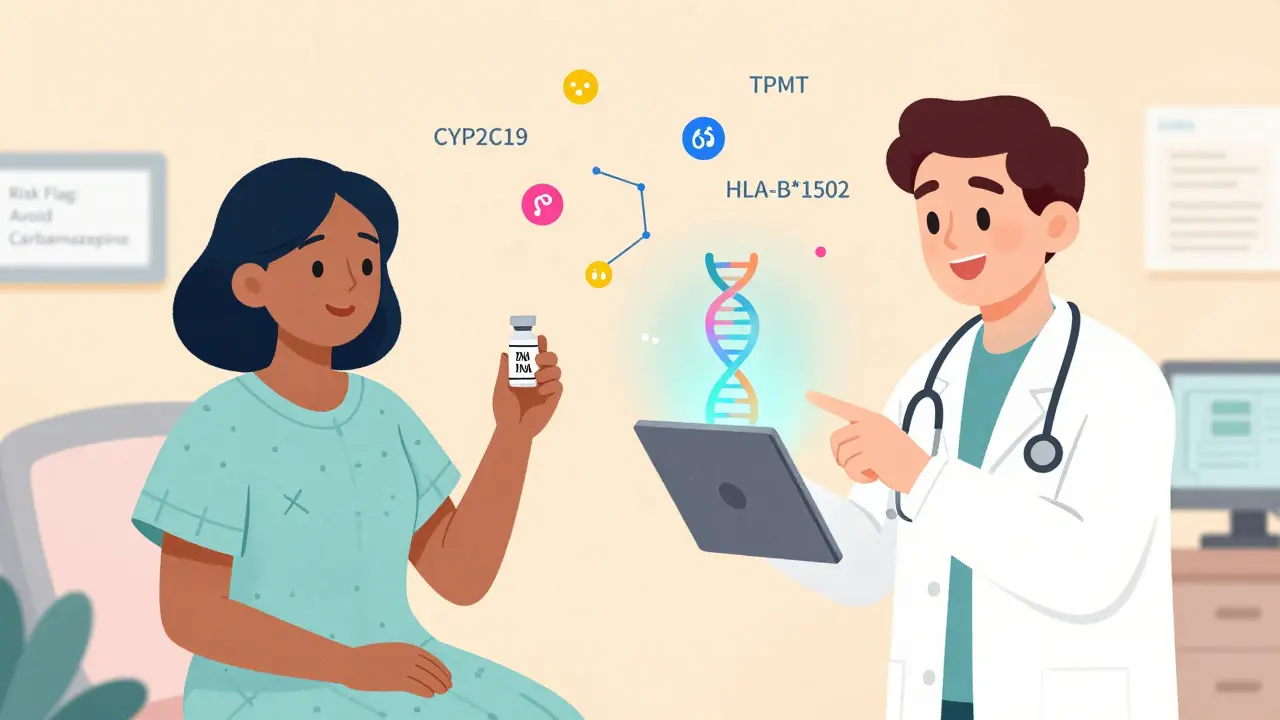
Preventing Adverse Drug Reactions with Pharmacogenetic Testing
Pharmacogenetic testing analyzes your genes to predict how you'll respond to medications, preventing serious adverse reactions before they happen. Studies show it cuts adverse drug reactions by 30% and saves lives.

Prior Authorization: How Providers Secure Approval for Generics
Prior authorization for generic medications is a common but confusing hurdle for providers. Learn how doctors and clinics secure approval, what documentation works, why delays happen, and how new systems are making it faster.
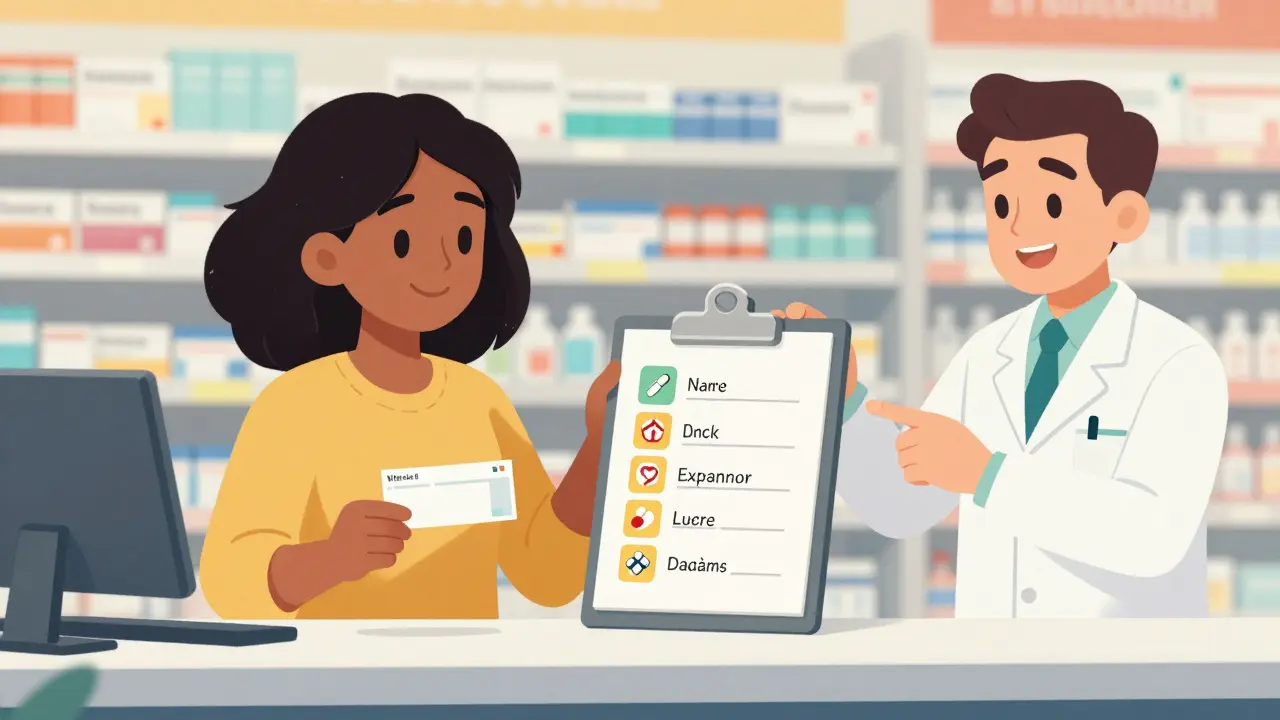
How to Implement a Personal Safety Checklist for Pharmacy Visits
Learn how to use a simple personal safety checklist to prevent medication errors during pharmacy visits. Five easy steps anyone can follow to catch mistakes before they hurt you.
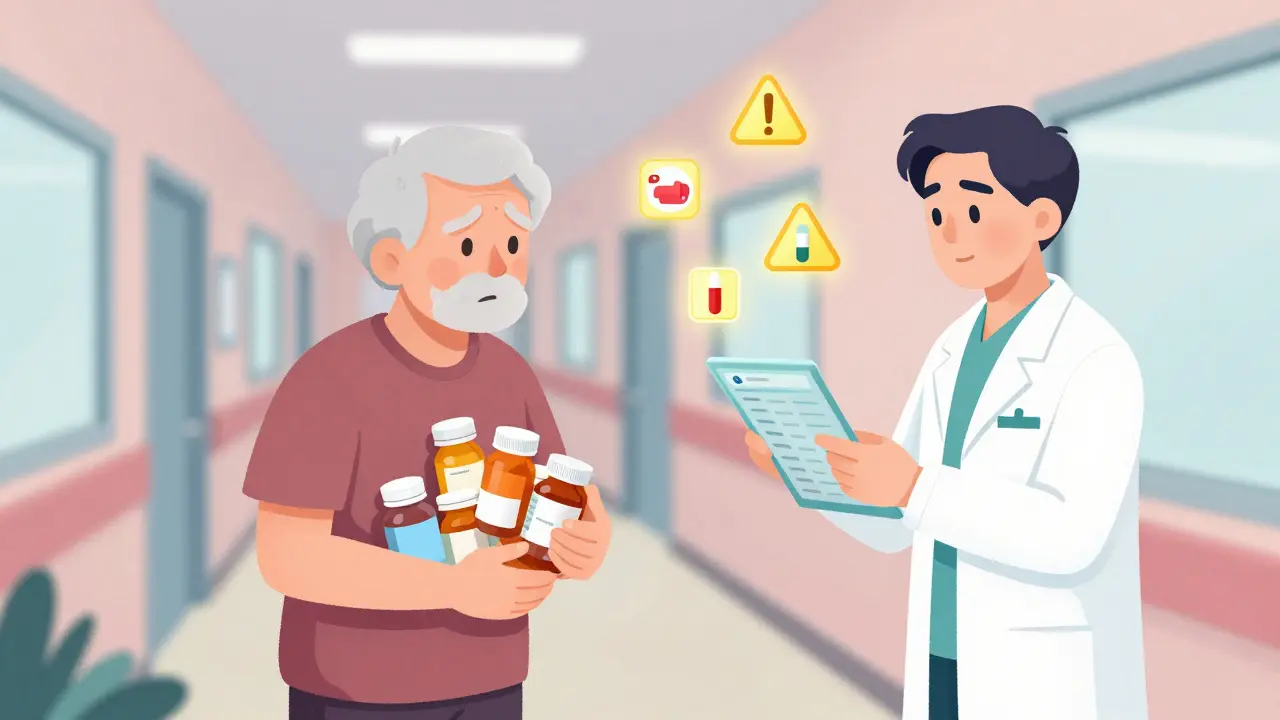
Adverse Drug Events: Definition, Types, and Prevention Strategies
Adverse drug events cause over 1 million ER visits and 125,000 hospitalizations yearly in the U.S. Learn the five types of ADEs, the top three dangerous medications, and proven prevention strategies that save lives.
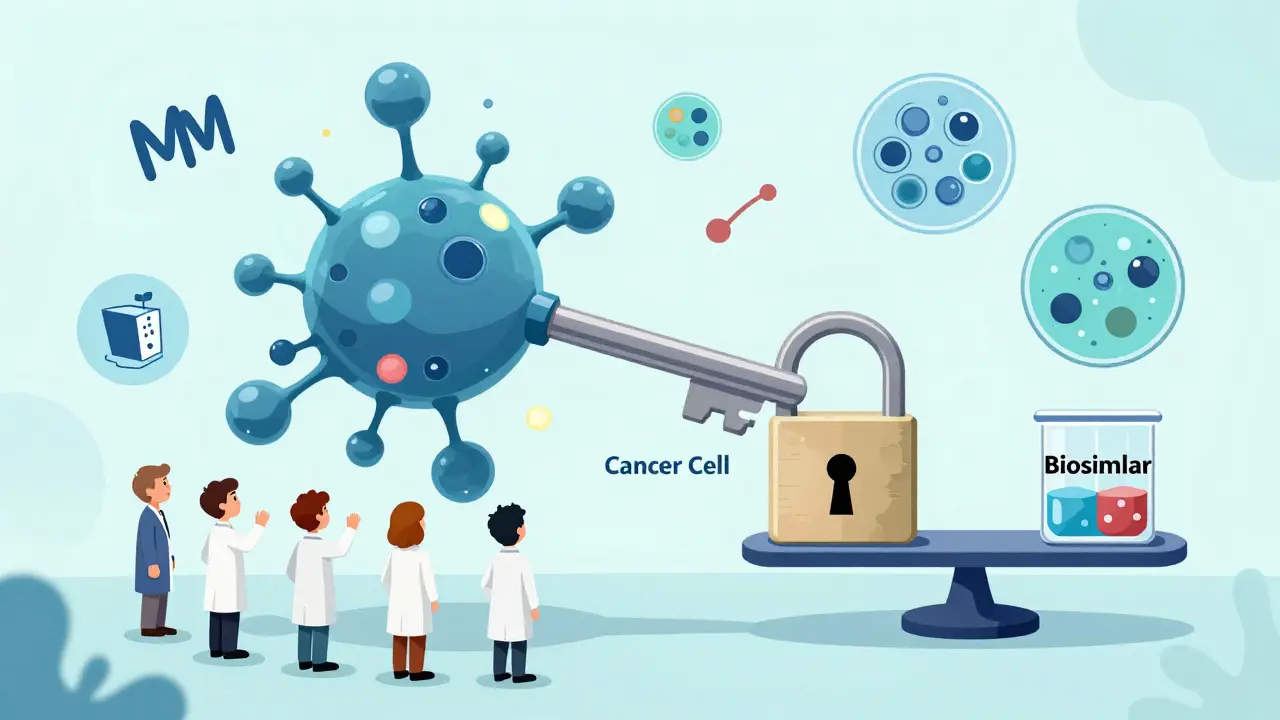
Monoclonal Antibody Biosimilars: Examples and Clinical Uses
Monoclonal antibody biosimilars offer life-saving cancer and autoimmune treatments at a fraction of the cost. Learn how they work, which ones are approved, and why they're changing patient access worldwide.
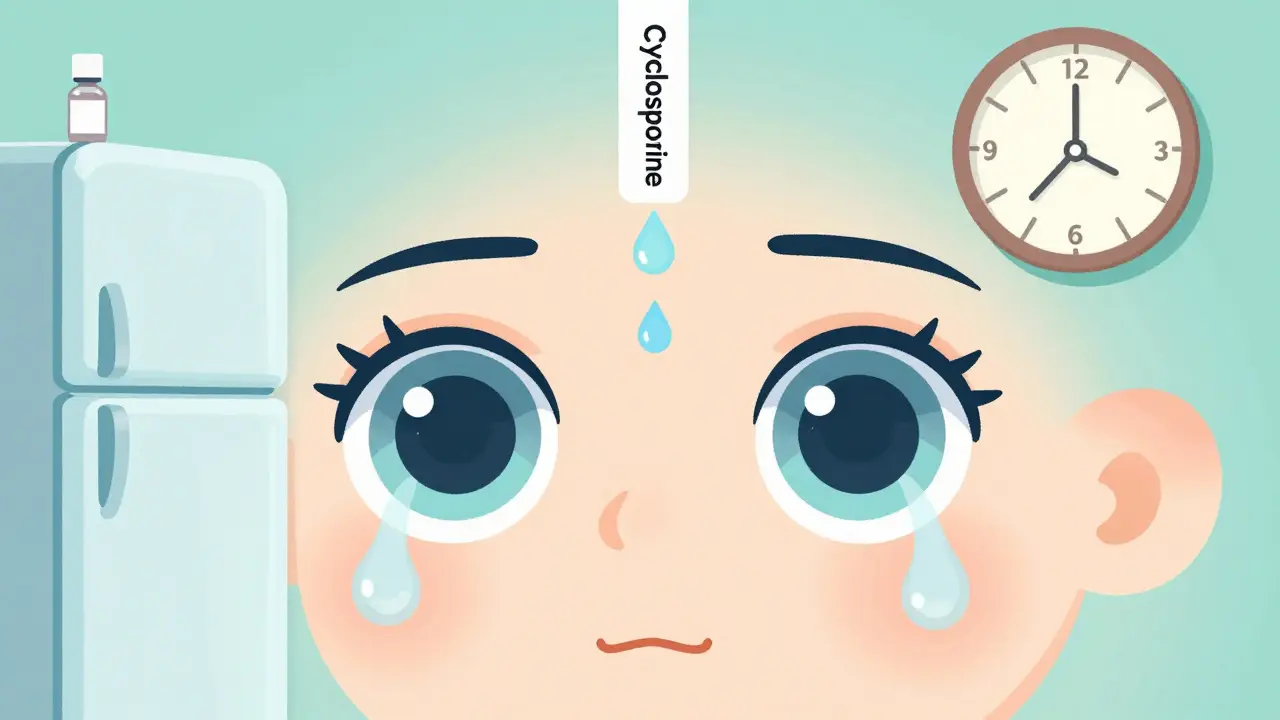
Dry Eye Treatments: Cyclosporine, Lifitegrast, and Plugs Explained
Cyclosporine, lifitegrast, and punctal plugs are three key treatments for chronic dry eye. Learn how each works, how fast they help, their side effects, and what experts really recommend - backed by real data and patient experiences.
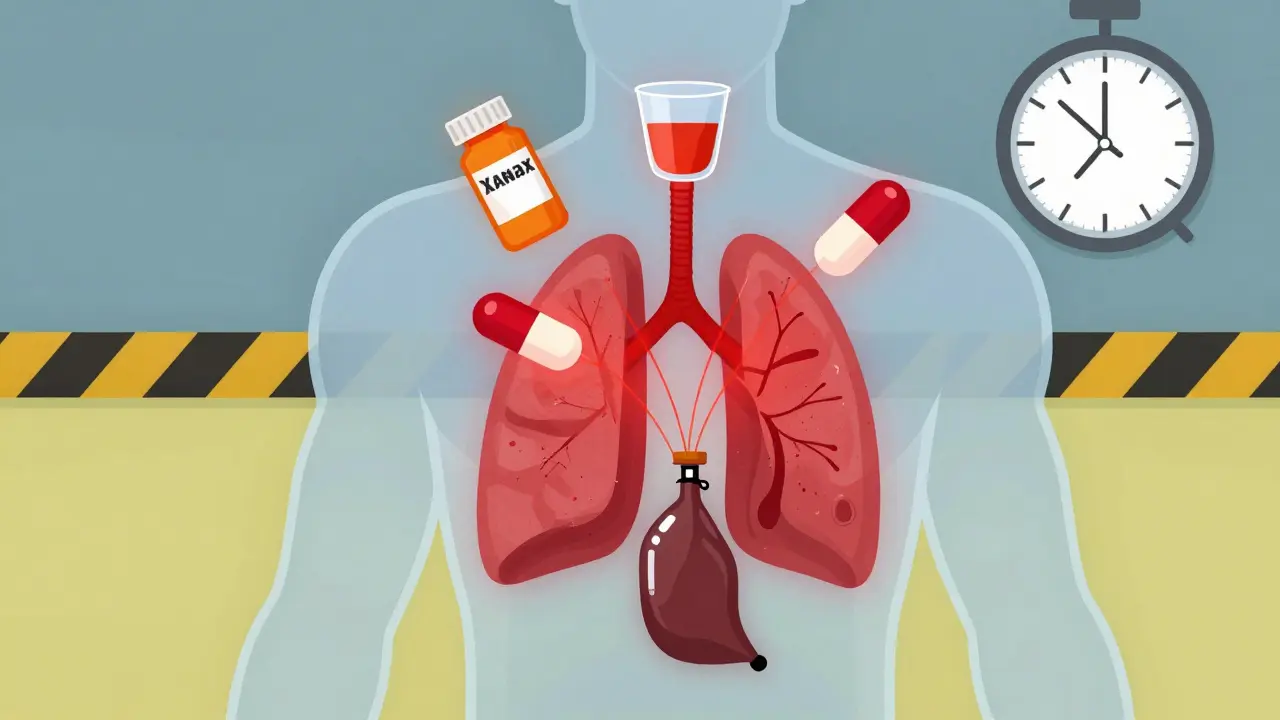
Combining Multiple Sedatives: The Hidden Danger of CNS Depression
Combining sedatives like opioids, benzodiazepines, and alcohol can cause life-threatening respiratory depression. Learn the real risks, who's most vulnerable, and how to stay safe.