Category: Medications - Page 2
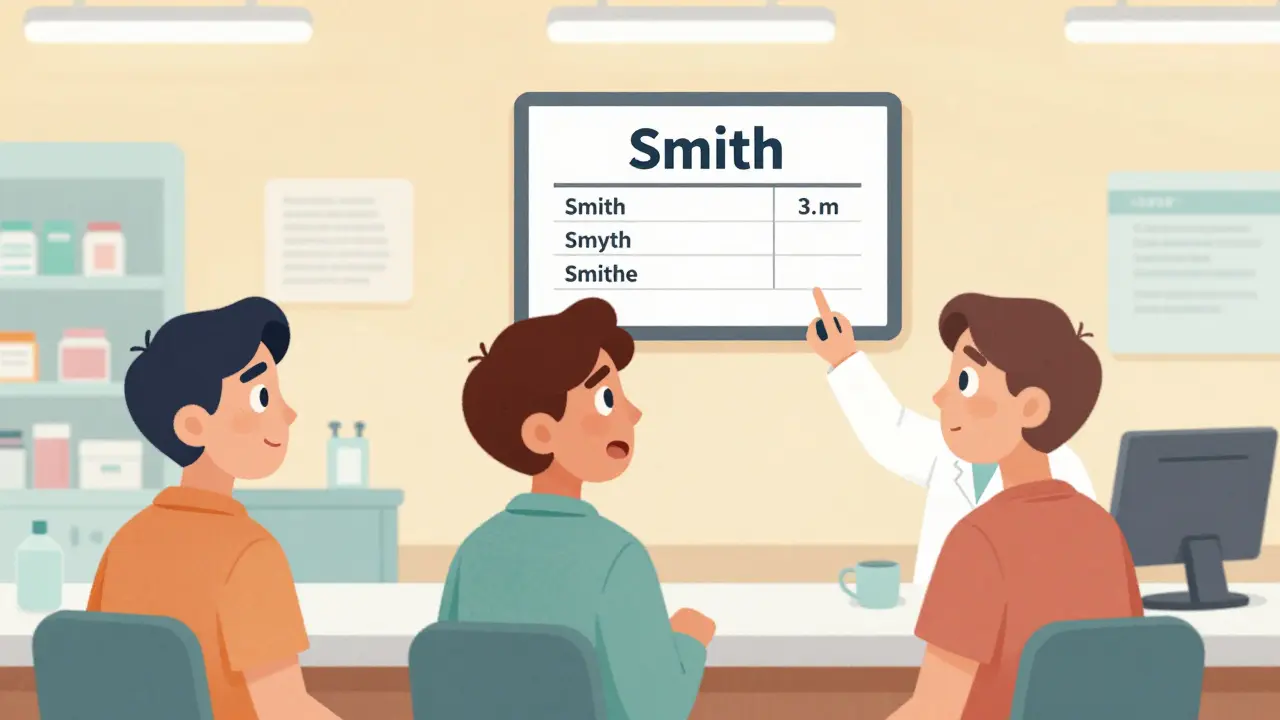
How to Prevent Wrong-Patient Errors at the Pharmacy Counter
Wrong-patient errors at the pharmacy can lead to serious harm or death - but they’re preventable. Learn how using two identifiers, barcode scanning, and patient counseling can stop these mistakes before they happen.
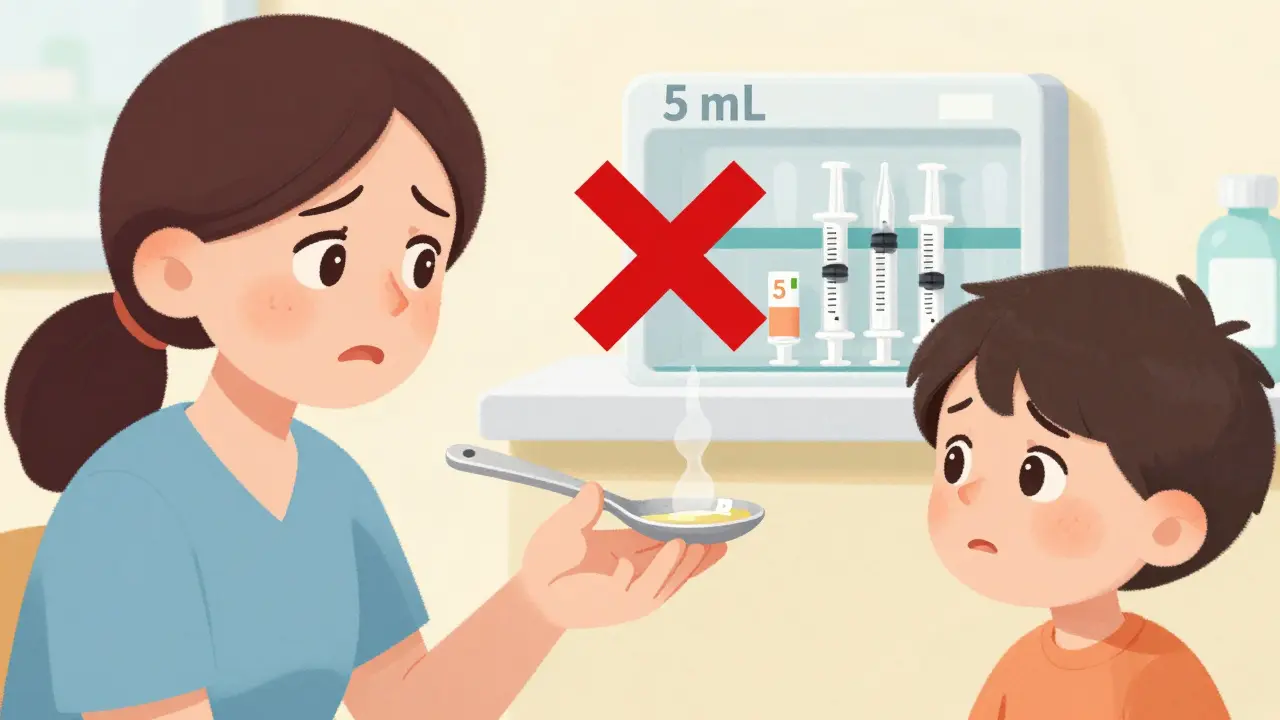
Never Use Household Spoons for Children’s Medicine Dosing: Why It’s Dangerous and What to Use Instead
Using household spoons to give children medicine can lead to dangerous overdoses or underdoses. Always use a milliliter-measured oral syringe instead. Learn why this simple change saves lives.
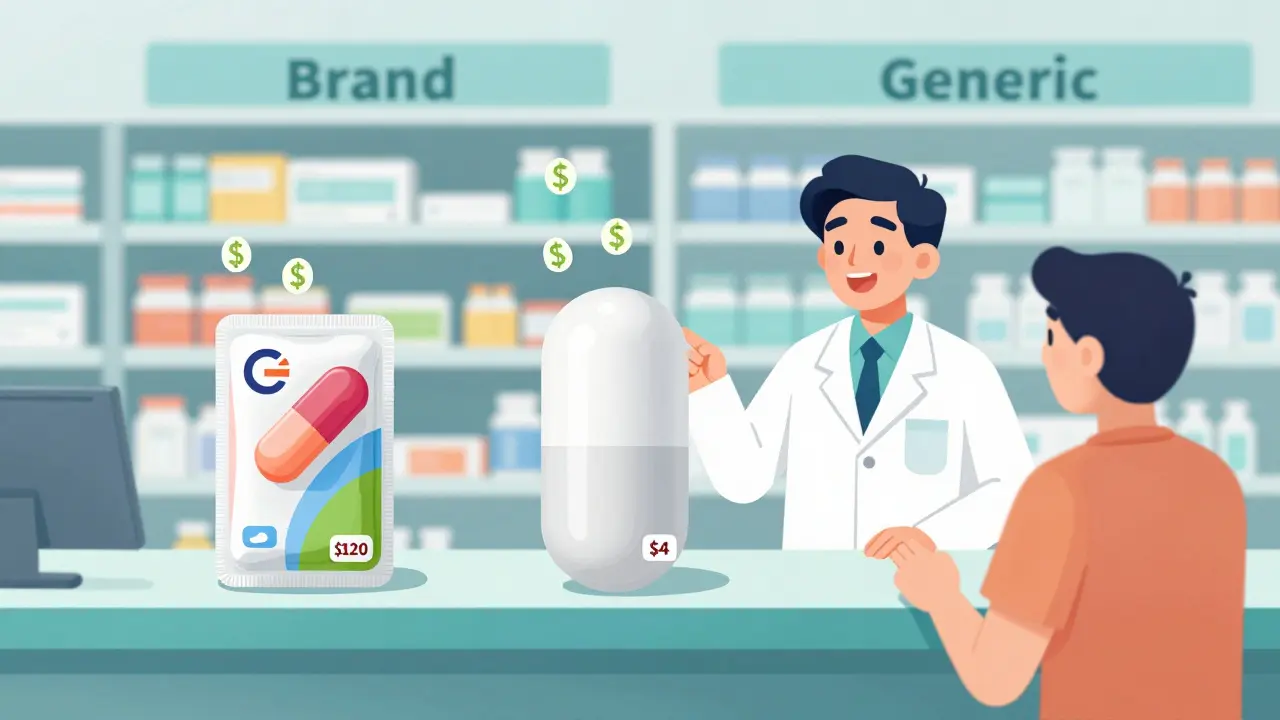
Generic vs Brand Drug Prices: Complete Comparison Guide
Generic drugs save up to 85% compared to brand-name versions, with identical effectiveness and safety. Learn how generics work, why they’re cheaper, and how to use them to cut your prescription costs without sacrificing quality.
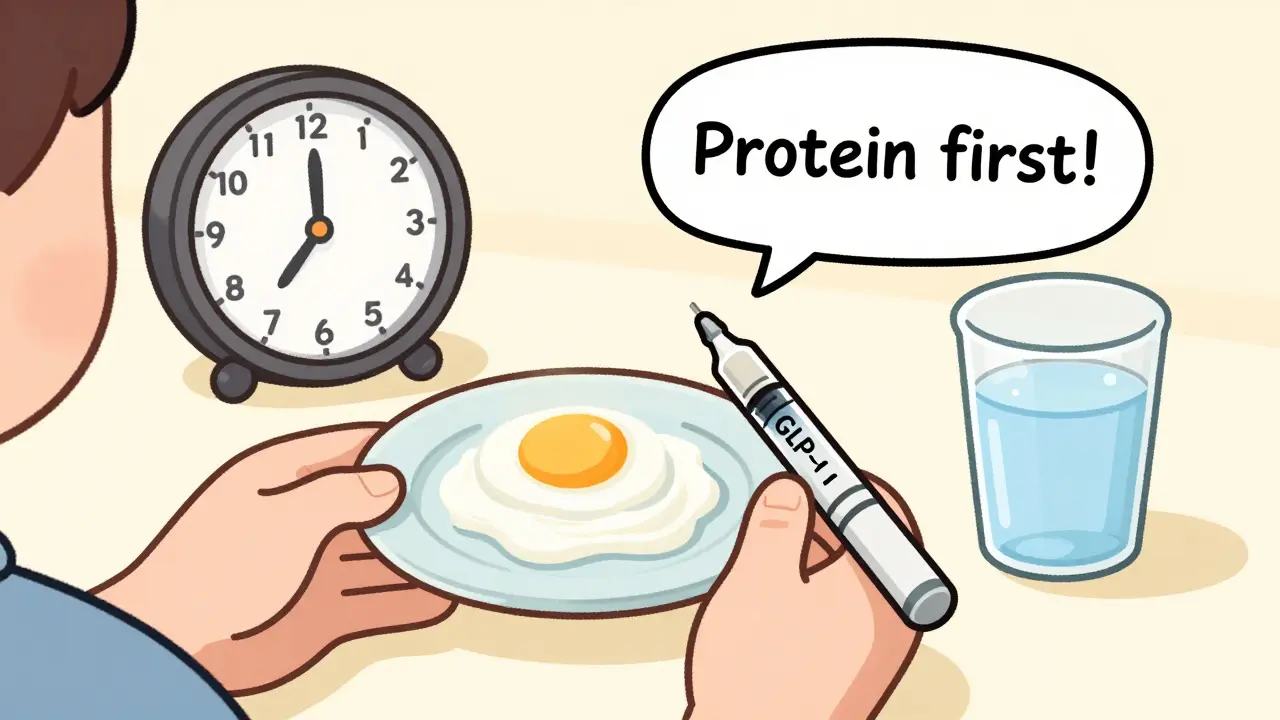
GLP-1 GI Side Effects: Meal Planning and Dose Titration Tips
Learn how to manage GLP-1 GI side effects like nausea and vomiting with smart meal planning and slow dose titration. Real strategies that help you stay on track and avoid quitting.
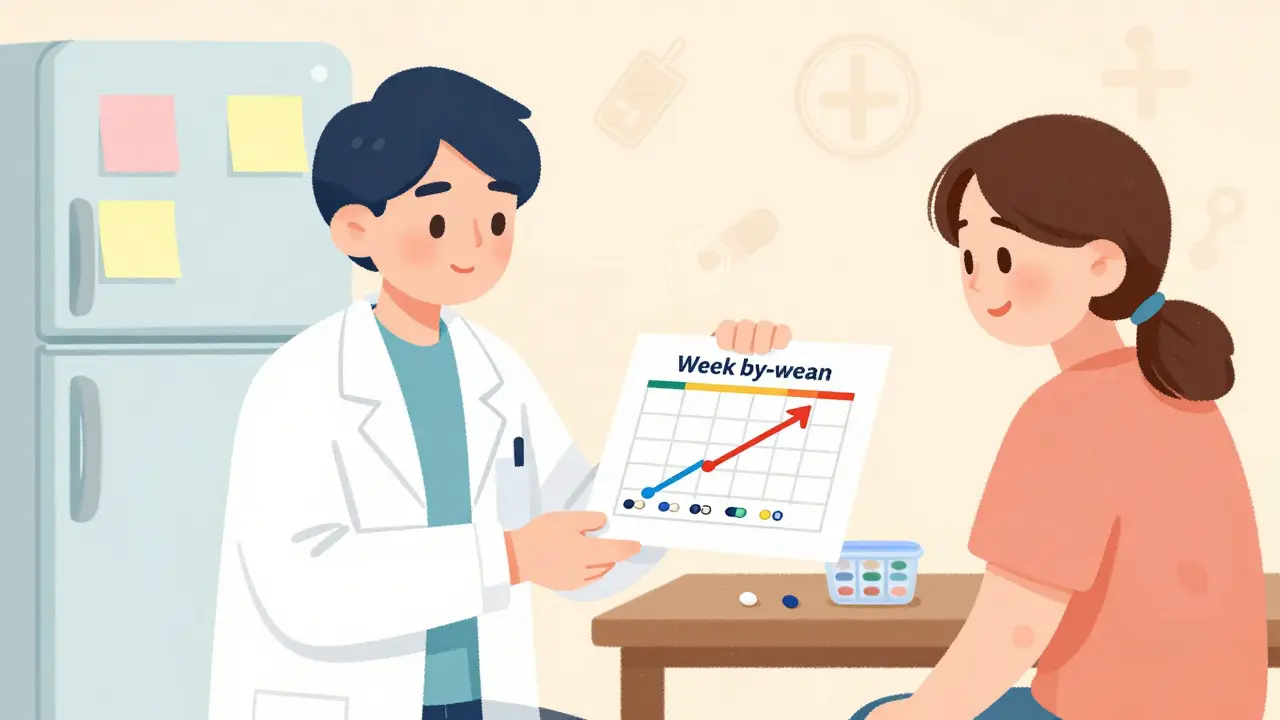
Slow Up-Titration Schedules: How Gradual Dose Increases Help You Tolerate Medication Side Effects
Slow up-titration schedules help patients tolerate medication side effects by gradually increasing doses over weeks or months. This method improves adherence and reduces severe reactions, especially for drugs like GLP-1 agonists and beta-blockers.

Brown Bag Medication Review Events: How to Prepare for a Safe Medication Checkup
A brown bag medication review helps prevent dangerous drug interactions by having you bring all your pills, supplements, and OTC meds to a pharmacist or doctor. Learn how to prepare, what to expect, and why it’s a must for seniors taking multiple medications.
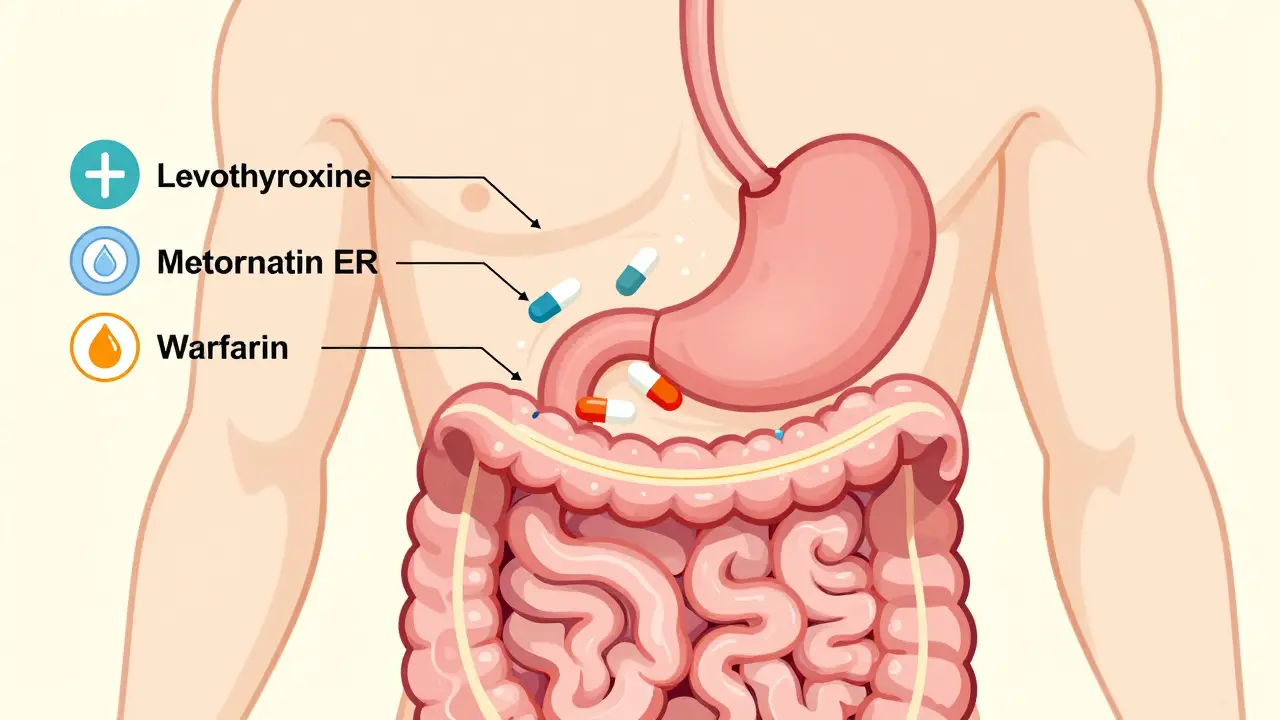
Bariatric Surgery and Medication Absorption: How Weight Loss Surgery Changes Your Drug Doses
Bariatric surgery changes how your body absorbs medications. Extended-release pills may stop working, thyroid doses need adjusting, and blood thinners can become dangerous. Learn what to watch for and how to stay safe after weight loss surgery.

Choosing Antiemetics for Medication-Induced Nausea: A Practical Guide
Learn how to choose the right antiemetic for medication-induced nausea - from surgery to chemo - based on risk, cost, and real-world effectiveness. Skip the guesswork and use proven strategies.
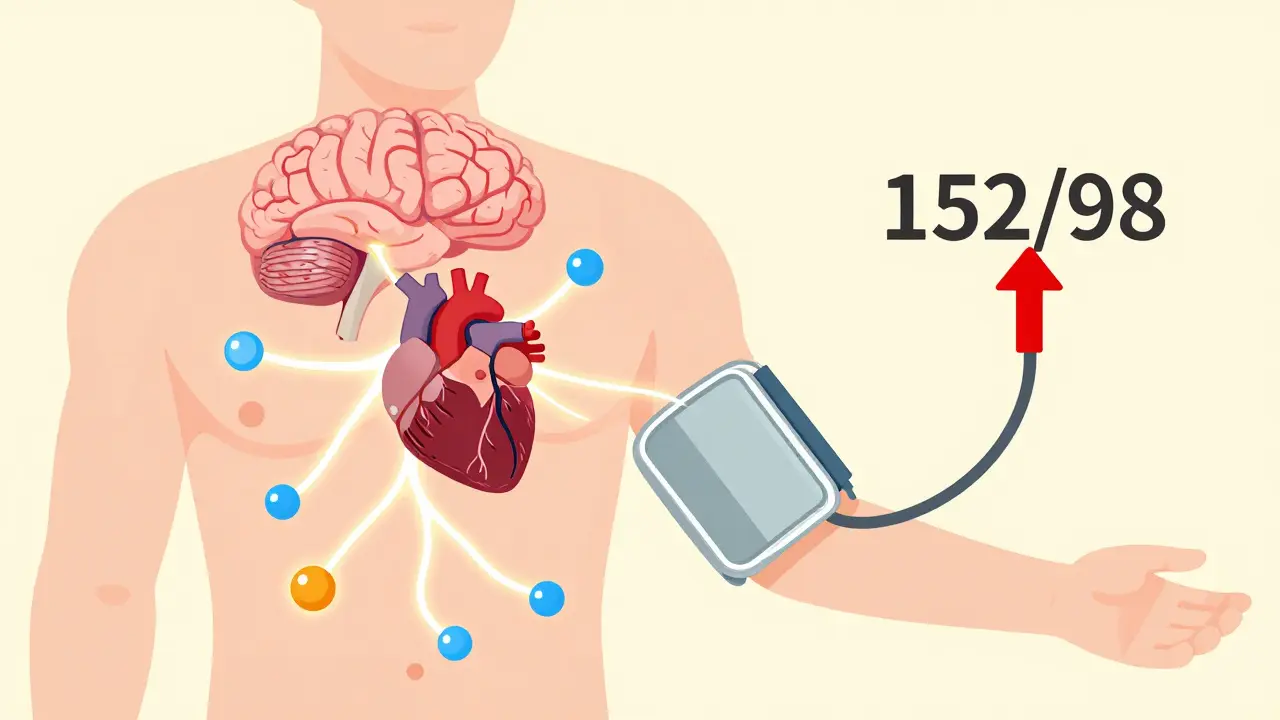
Venlafaxine and Blood Pressure: What You Need to Know About Hypertension Risk
Venlafaxine can raise blood pressure, especially at higher doses. Learn how it affects BP, who's at risk, and how to monitor it safely to avoid serious complications.
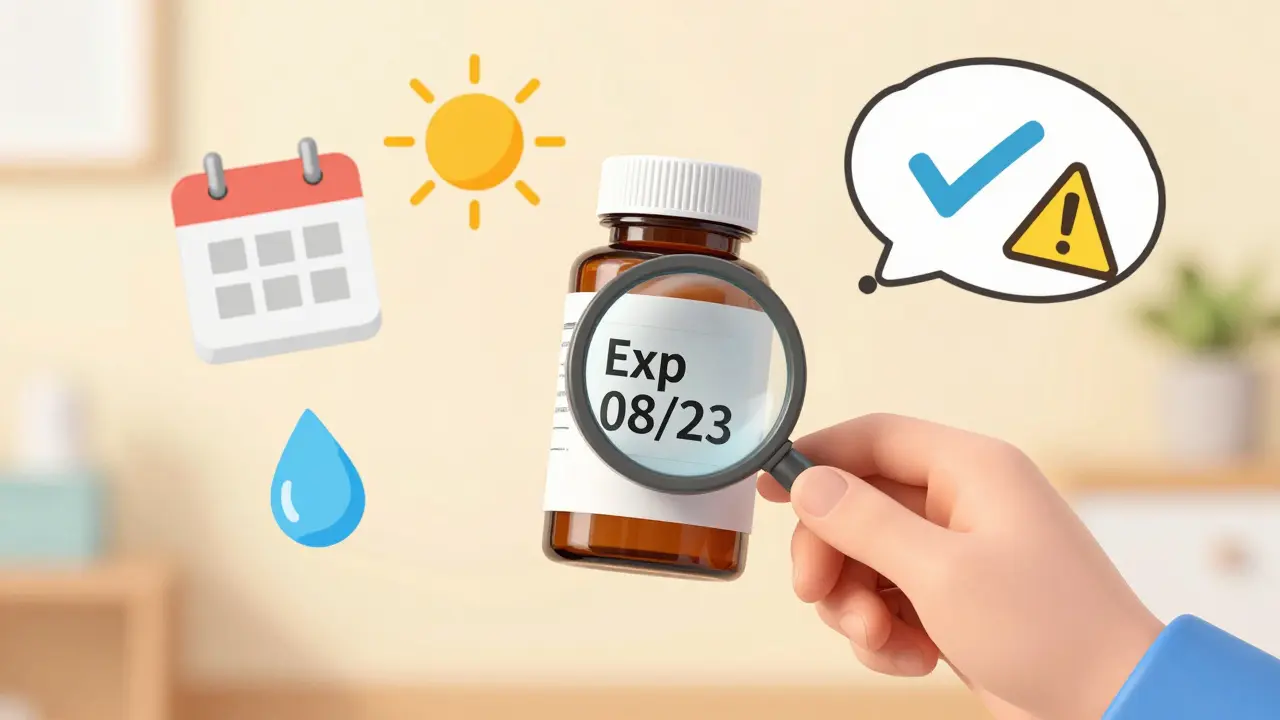
How to Read Expiration Dates on Medication Packaging Correctly
Learn how to read expiration dates on medication packaging to avoid taking ineffective or dangerous drugs. Understand manufacturer vs. pharmacy dates, storage rules, and which meds are risky past expiration.
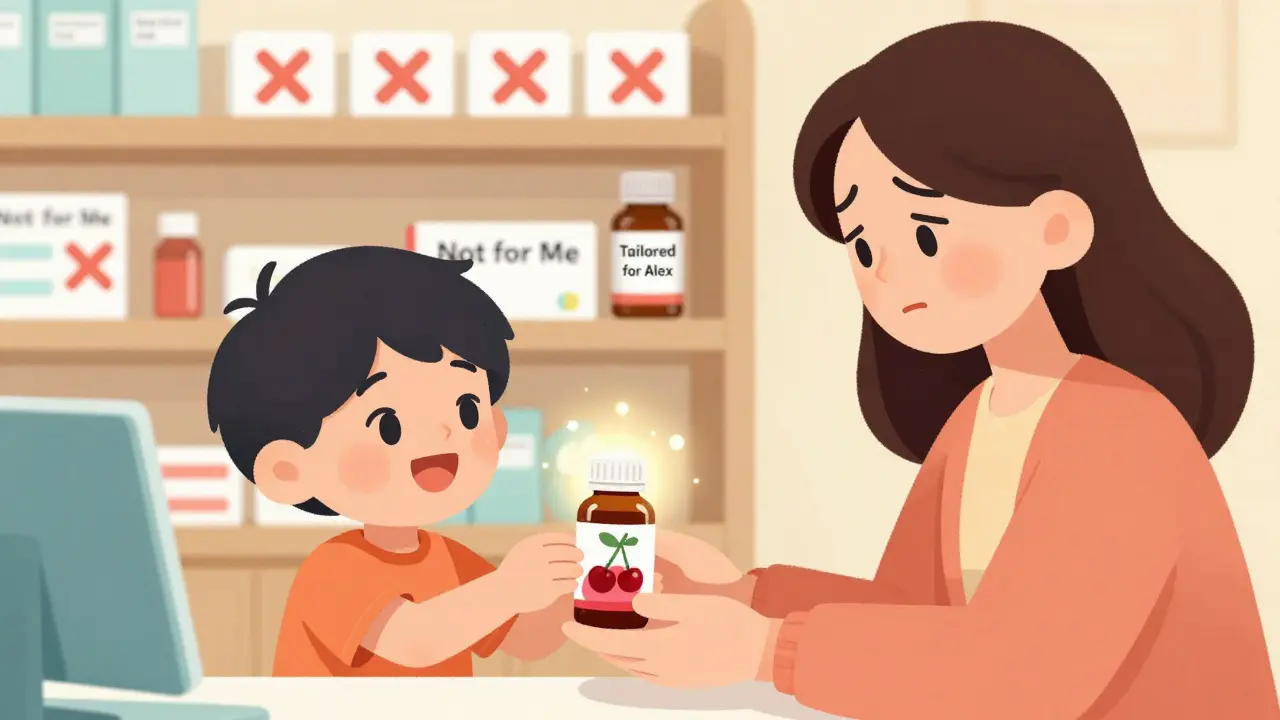
Compounded Medications: When Custom Formulas Are Needed
Compounded medications offer custom solutions for patients who can't use standard drugs due to allergies, dosage needs, or swallowing issues. But they come with risks-quality varies, they're not FDA-approved, and not all pharmacies are safe. Know when they're necessary and how to find a trusted provider.
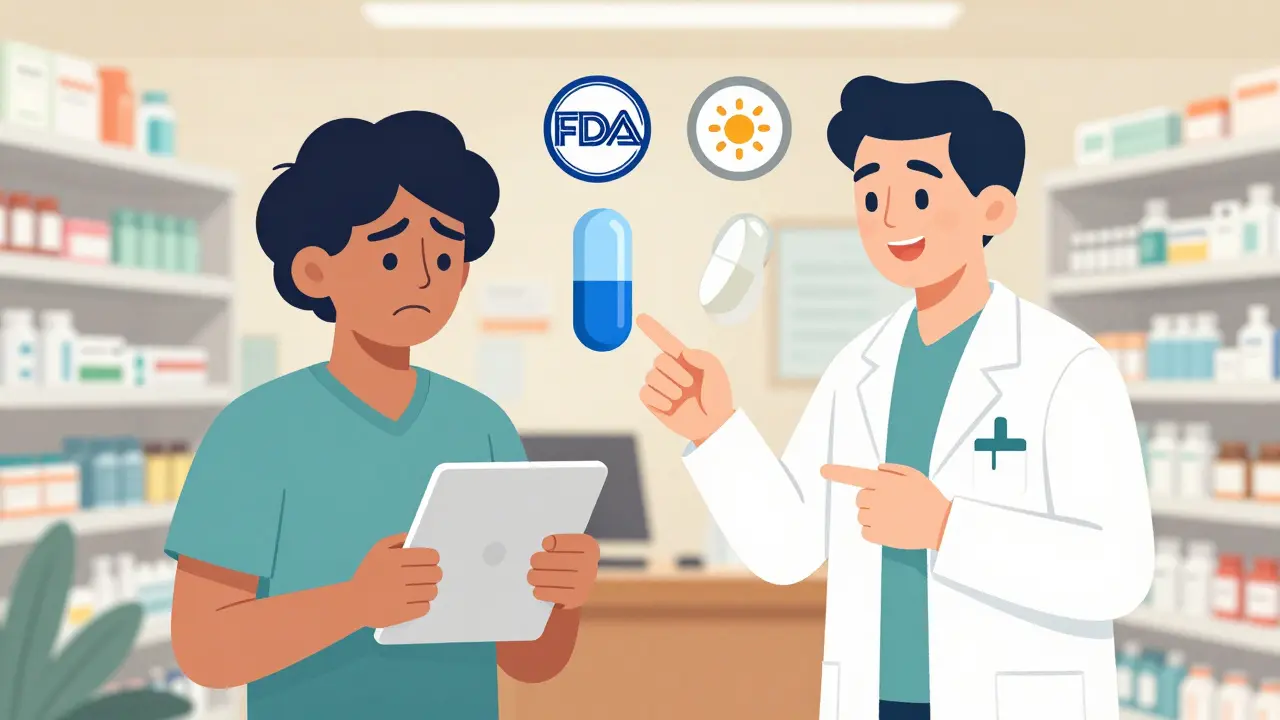
How to Communicate with Your Pharmacy During Generic Drug Transitions
Learn how to navigate generic drug transitions safely by communicating with your pharmacy. Understand when switches are safe, when to push back, and what steps to take if you notice changes in how your medication works.